Owning a cabin in the Pocono Mountains is a beautiful dream. Many people picture peaceful weekends surrounded by tall trees, crisp mountain air, and quiet lakes. They imagine sitting by a roaring fireplace or drinking coffee on a wide wooden deck.
The Poconos offer an escape from the frantic pace of suburban and city life. It is easy to fall in love with a rustic property during an afternoon viewing. The charm of exposed log beams and a secluded location can quickly cloud your judgment.
Rural properties come with unique challenges that suburban homes never face. A picturesque cabin can hide severe, expensive problems behind its charming exterior. Without careful investigation, your peaceful mountain getaway can rapidly transform into a stressful financial nightmare.
Buying a cabin requires looking far beyond the cosmetic details. You must understand how the home functions under the surface. Knowing what to check before you sign a contract will save your wallet and your sanity.
The Hidden Complexity of Rural Properties
Suburban homes usually connect to vast municipal utility networks. Water comes from a city pipe, and waste goes into a public sewer system. The local utility companies manage the infrastructure, maintain the lines, and handle the repairs. You simply pay a monthly bill.
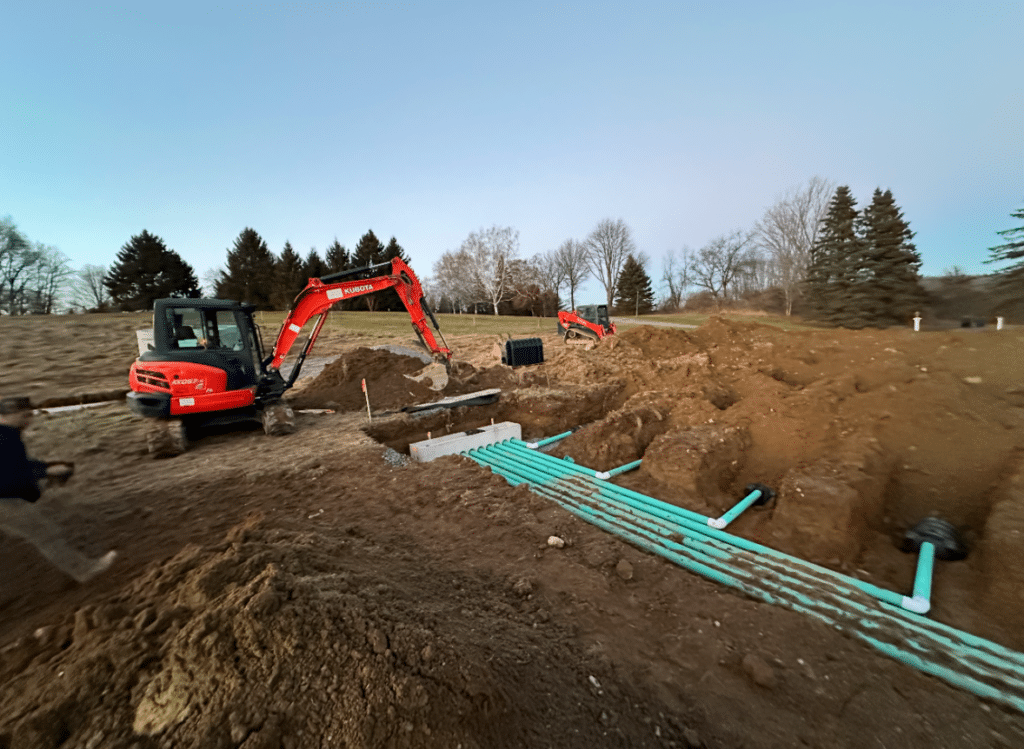
Mountain cabins operate on entirely different systems. Most Pocono cabins are completely self-contained. They rely on private water wells drilled deep into the earth. They use independent septic systems buried in the yard to process waste.
These private systems change your responsibilities completely. As the homeowner, you become the operator of your own miniature utility company. If a system fails, the responsibility and the massive repair bills fall squarely on you.
Many cabin buyers do not realize how expensive these systems are to fix or replace. They assume a standard home inspection covers everything. A basic inspection often misses the deep, structural issues common to rural infrastructure.
The Septic System: Your Biggest Potential Financial Trap
A failed septic system is the fastest way to turn a dream cabin into a financial disaster. Replacing a standard residential septic system can cost thousands of dollars. In tricky mountain terrain, that cost can easily double or triple depending on the soil conditions.
Mountain geology presents tough challenges for waste management. The Poconos feature rocky terrain, steep slopes, and high water tables. These factors mean a property might require an engineered system, such as a sand mound or a specialized drip irrigation system.
Locate and Review the Septic Records
Never buy a rural property without reviewing the official septic records. Every township in the Pocono region maintains records of septic permits, installation designs, and maintenance histories. You must request these documents from the local sewage enforcement officer before closing on a home.
The septic permit reveals exactly what type of system sits on the property. It tells you the age of the system and the size of the tank. It also indicates how many bedrooms the system was legally approved to handle.
A major red flag occurs when a cabin has been expanded over the years. A previous owner might have added a third bedroom to a cabin that only has a permit for a two-bedroom septic tank. Overloading a system beyond its designed capacity causes premature failure and creates a major environmental hazard.
Demand a Professional Septic Inspection
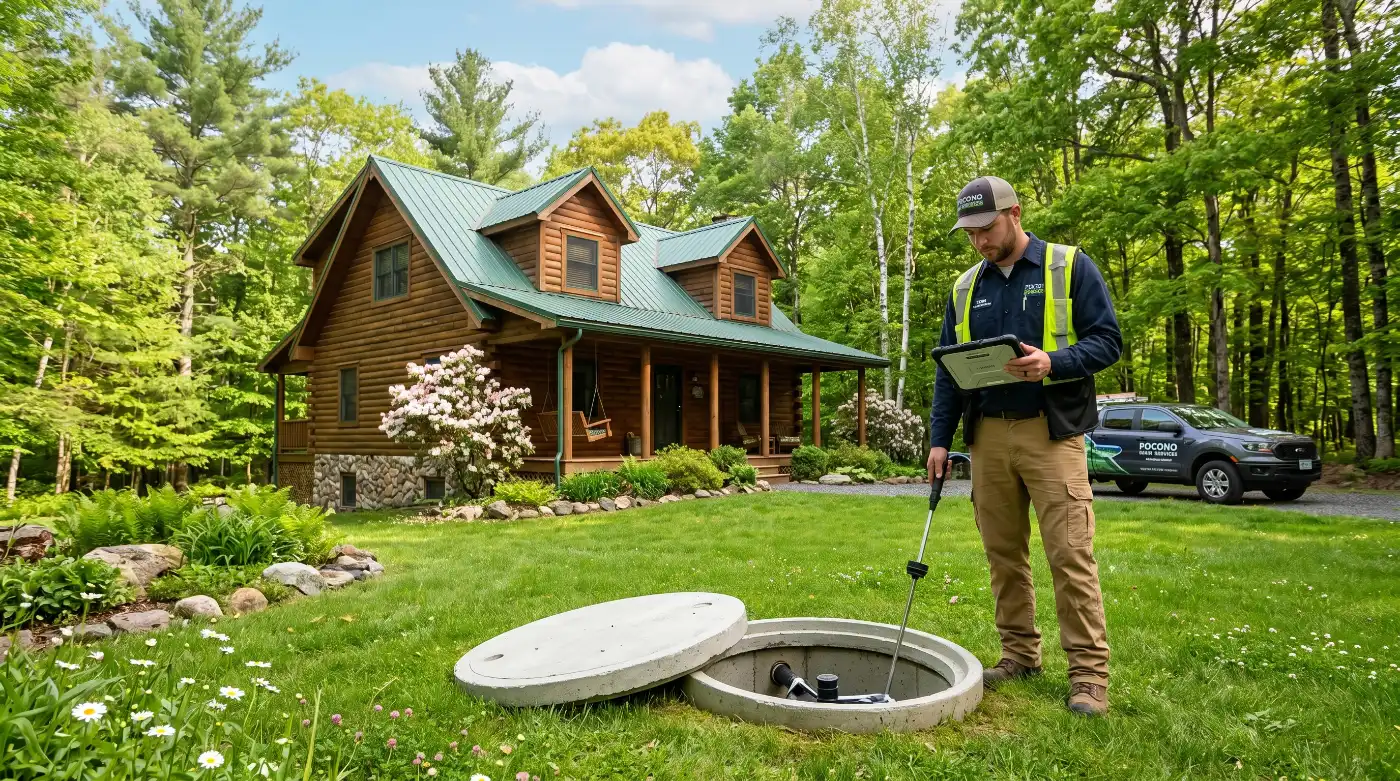
A standard home inspection does not include a comprehensive septic evaluation. You must hire a specialized inspector to perform a full septic test.
The inspector will locate the tank and open the access lids. They will check the liquid levels to ensure the tank is operating correctly. They will examine the structural integrity of the tank, looking for cracks, leaks, or collapsing baffles.
The inspection must also evaluate the absorption area, commonly known as the leach field or drain field. The inspector will check for soggy patches of lawn, standing water, or foul odors. They may use a specialized camera to inspect the internal pipes for root intrusions or clogs.
If a seller claims they do not know where the septic tank is located, do not accept that answer. A lack of records usually means the system was installed illegally or has been neglected for decades.
Evaluating the Private Water Well
A cabin needs a reliable source of clean, safe water. Because most Pocono cabins rely on private wells, you must verify both the quality and the quantity of the water supply.
Water Quality Testing
Well water can contain naturally occurring contaminants that you cannot see, smell, or taste. Runoff from nearby areas or failing septic systems can introduce harmful bacteria like E. coli into the well. Mountain rock can also leach heavy metals, iron, manganese, or radon gas into the water supply.
Request a comprehensive laboratory water test. The test should check for bacteria, nitrates, lead, arsenic, and volatile organic compounds. If the water tests positive for contaminants, you will need to install specialized filtration or ultraviolet purification systems.
Well Recovery and Flow Rate
Water quantity is just as critical as water quality. A well must produce enough gallons of water per minute to sustain a household.
A low-yield well might work fine when one person takes a quick shower. However, it will run completely dry if you run the washing machine while guests are staying for the weekend. Running a well dry can burn out the submersible well pump, resulting in an expensive emergency replacement.
Have a professional perform a well flow test. This test measures how many gallons per minute the well produces over a sustained period. It also measures the recovery rate, which is how fast the well refills after being drawn down.
Mountain Structures and Environmental Threats
The natural environment that makes the Poconos beautiful also wages a constant war against building structures. Moisture, extreme weather, and local wildlife can cause severe damage to cabins.
Foundation Issues in Rocky Soil
Mountain cabins are often built on steep slopes or uneven terrain. Over time, shifting soil, frost heaves, and improper drainage can compromise the foundation.
Examine the foundation closely for long horizontal cracks, bowing walls, or signs of shifting. Inside the cabin, look for sloping floors, doors that stick in their frames, or cracks in the drywall above windows. Fixing a failing foundation on a steep mountain slope requires complex engineering and immense expense.
Log Cabin Maintenance and Rot
If you are buying a true log home, you must understand the unique maintenance requirements. Logs require regular sealing, staining, and caulking to keep moisture out. If a previous owner neglected this maintenance, water will penetrate the wood.
Check the lower logs near the ground and the logs directly underneath windows. Use a screwdriver to gently press against the wood. If the wood feels soft or spongy, you are dealing with wood rot. Replacing structural logs is a highly specialized craft that costs a fortune.
Look closely for signs of wood-boring insects. Carpenter ants, powderpost beetles, and termites thrive in damp mountain environments. Check for small exit holes in the wood, fine sawdust piles, or hollow-sounding logs.
Roofing and Winter Weather Performance
Pocono winters bring heavy snow loads and severe ice storms. A cabin roof must be structurally sound and properly insulated to handle these harsh conditions.
Inspect the roof for missing shingles, moss growth, or sagging areas. Ask about the presence of a water-shield membrane beneath the shingles. Without proper insulation and ventilation, heat escapes from the cabin and melts the bottom layer of snow on the roof. This water refreezes at the cold eaves, creating dangerous ice dams that back up under the shingles and destroy interior ceilings.
Navigating Local Rules, Zoning, and HOA Fees
Many buyers assume that buying a cabin in the woods means they can do whatever they want with the property. In reality, the Pocono region features a complex web of local rules, township regulations, and private community associations.
Homeowners Associations (HOAs)
A vast majority of Pocono cabins are located within private, planned communities. These communities often feature amenities like private lakes, beaches, pools, security gates, and maintained roads.
These perks come with legal and financial obligations. Review the HOA bylaws and financial statements carefully before purchasing. Some HOAs charge thousands of dollars in annual dues.
Ensure the HOA has healthy financial reserves. If the community needs to pave ten miles of private roads and has no money saved, they will issue a massive special assessment to every homeowner.
Read the community rules carefully. Some HOAs strictly prohibit short-term rentals, while others restrict what color you can paint your front door or where you can park a boat.
Short-Term Rental Regulations
Many buyers plan to rent out their cabin on platforms like Airbnb or Vrbo to help cover the mortgage. If this is your plan, you must verify the local laws before buying.
Many Pocono townships have passed incredibly strict short-term rental ordinances. Some townships ban rentals entirely in specific residential zones. Others require expensive annual permits, mandatory safety inspections, and strict limits on the number of guests allowed. Never rely on a real estate listing that says “great rental potential.” Verify the exact zoning laws directly with the township office yourself.
Turning the Nightmare Back into a Dream
Asking the hard questions and ordering the right inspections does not mean you have to give up on your dream. It simply means you are protecting your future.
If an inspection uncovers a failing septic system, a low-yield well, or a rotting structural log, you have power. You can use these facts to negotiate a significantly lower purchase price. You can require the current seller to fix the issues before closing, or you can walk away from a bad deal before it ruins you financially.
A great cabin is a wonderful asset that will provide your family with beautiful memories for generations. Taking the time to verify the infrastructure ensures your mountain escape remains a place of peace, relaxation, and joy.
How Triple J Services Can Help
You do not have to navigate the complexities of rural property management alone. Triple J Services provides expert, reliable solutions to keep your mountain property functioning perfectly. Based right in Lackawaxen, Pennsylvania, we live and work in the Poconos. We understand the specific environmental challenges, soil conditions, and structural demands unique to this region.
We pride ourselves on offering clear communication, exceptional craftsmanship, and honest advice. We don’t use confusing technical jargon or hide costs in complex contracts. We simply diagnose the issue, explain the solutions clearly, and get the job done right the first time.
Our comprehensive property services include:
-
Excavation and site preparation for rural properties.
-
Expert septic system installation, repairs, and diagnostics.
-
Advanced drainage management and foundation waterproofing to combat mountain runoff.
-
Comprehensive property maintenance and winterization services to protect your investment.
Whether you are looking to buy a cabin and need an expert eye on the property infrastructure, or you need to upgrade an existing system, our local team is ready to assist. We treat every cabin as if it were our own, ensuring your mountain property remains a safe, comfortable, and valuable haven.
Quick Article Recap
-
Rural systems are different: Mountain cabins use self-contained private wells and buried septic systems, making the owner completely responsible for utility maintenance.
-
Septic systems are costly: Replacing a failed septic system in rocky Pocono soil can cost a fortune; a specialized inspection is mandatory.
-
Check the official records: Always request septic permits and maintenance histories from the local township office to verify the system size and compliance.
-
Test well water thoroughly: Private wells must be tested in a laboratory for harmful bacteria and toxic heavy metals, and tested for water flow volume.
-
Watch for environmental wear: Moisture, winter ice dams, wood rot, and wood-boring insects constantly threaten mountain structures.
-
Know the local restrictions: Verify township zoning laws regarding short-term rentals and read all HOA bylaws before making a commitment.
Secure Your Piece of the Poconos
Protect your investment and ensure your mountain escape is built on a solid foundation. Partner with a local team that knows the terrain inside and out. Contact Triple J Services today by visiting our Website to discuss your property needs and schedule a professional consultation.
External Resources
-
Pennsylvania Department of Environmental Protection (DEP) Septic Smart Program: Link to the PA DEP site when discussing sewage regulations to provide readers with state-level information on managing on-lot systems.
-
Penn State Extension Water Quality Website: Link this educational resource when describing private well water testing to give buyers access to professional guidelines on testing parameters and drinking water safety.