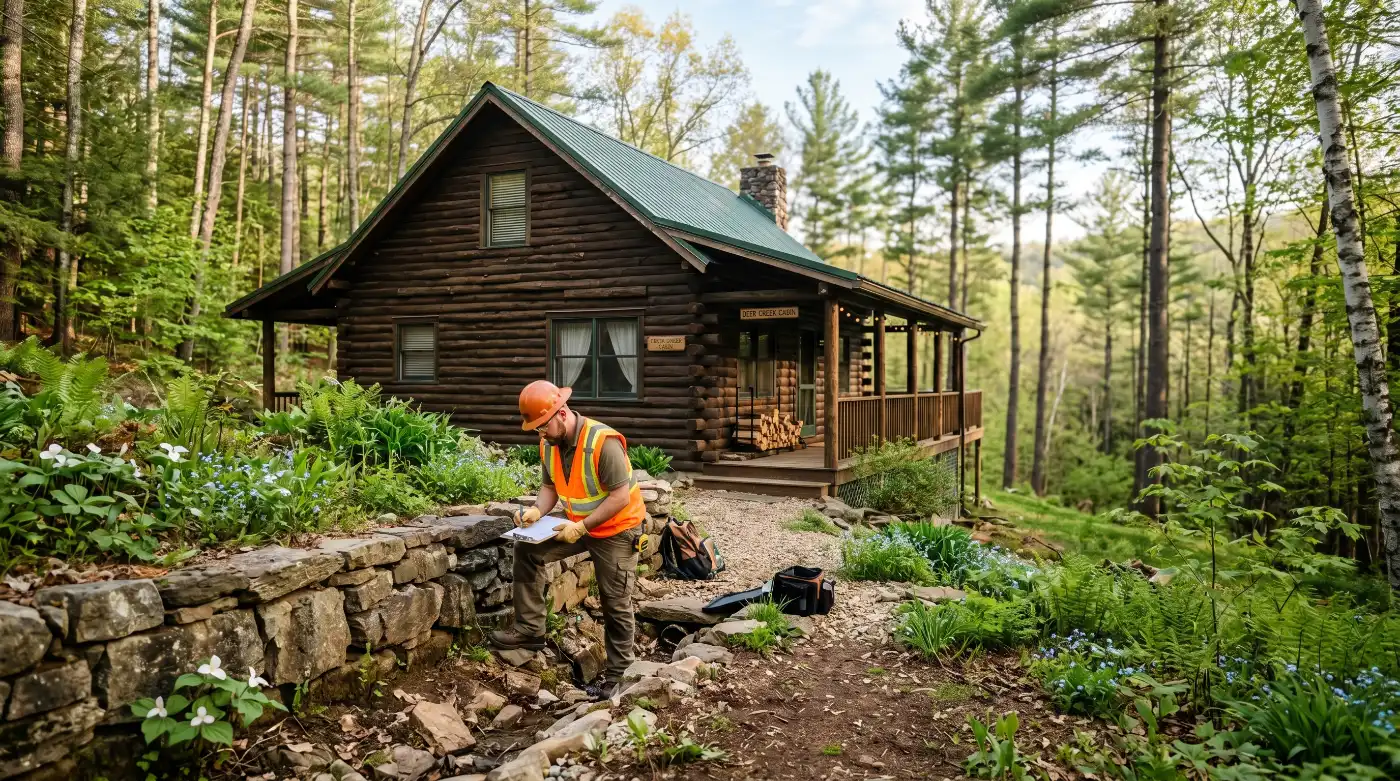
Finding a cozy cabin nestled in the trees of the Pocono Mountains feels like the ultimate Northeast escape. The fresh mountain air, the sound of the wind through the pines, and the promise of quiet weekends away draw thousands of buyers to Northeast Pennsylvania every year. It is easy to fall in love with a rustic stone fireplace, exposed interior beams, or a wrap-around deck overlooking a rushing stream.
Unfortunately, that rustic charm sometimes hides incredibly expensive property defects. Out here in Lackawaxen, Pennsylvania, our team at Triple J Services encounters enthusiastic new homeowners who bought their mountain paradise only to inherit a buried disaster.
Buying a rural property is vastly different than purchasing a house in a city or a suburban development. You are no longer hooked up to municipal infrastructure. You are your own utility company, your own road crew, and your own structural defender against harsh mountain weather. Before you sign those closing papers, you need to know exactly what is happening from the tip of the roof down to the deep soil beneath the foundation.
The Hidden Complexity of Pocono Septic Systems
When you buy a home with a private waste system, the septic tank and absorption field are the most critical components on the entire property. Replacing a failed layout can easily cost tens of thousands of dollars. In the Poconos, local geology makes wastewater management uniquely challenging.
The Problem with Mountain Soil and Glacial Till
Much of the ground in our region consists of dense clay, fractured bedrock, or shallow glacial till. For a traditional septic system to work, the soil must be porous enough to absorb and naturally filter wastewater. If the ground is too rocky or full of clay, the water has nowhere to go.
When standard gravity systems cannot function, homeowners have to rely on alternative engineered layouts. If you want to understand how different soil types impact wastewater filtration, you can review the environmental soil standards outlined by the United States Department of Agriculture (USDA Natural Resources Conservation Service).
The Infamous Turkey Mound
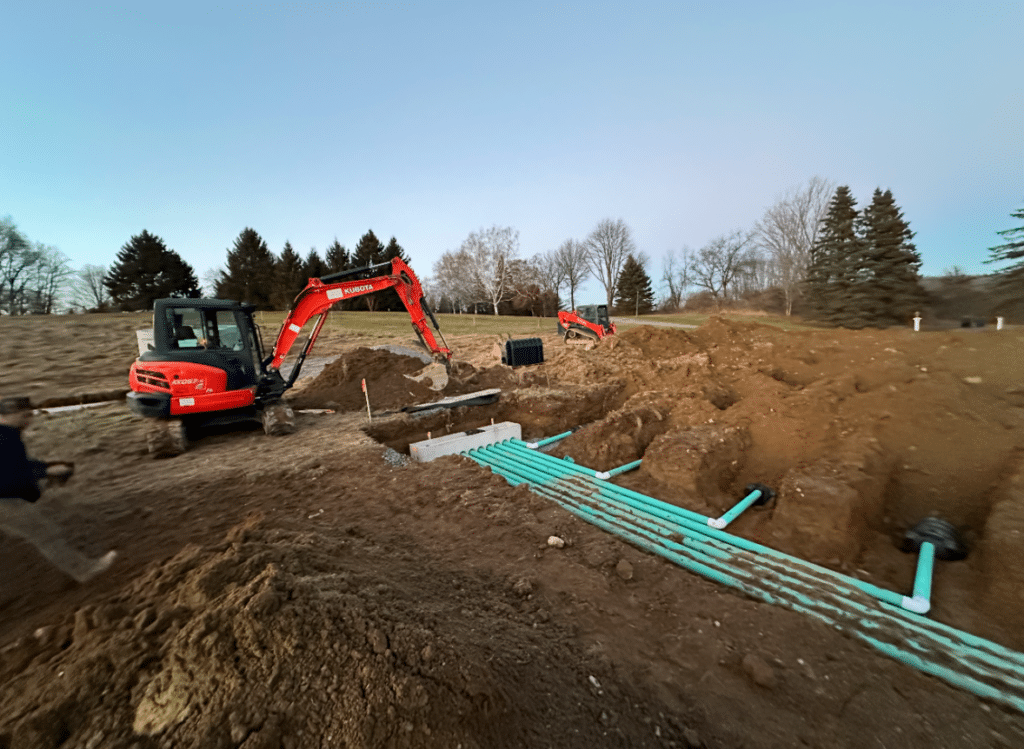
If you look around a Pocono property and notice a long, artificial-looking hill in the backyard, you are looking at an elevated sand mound system. Locally, we call these “Turkey Mounds.”
Engineers design these systems for use when the natural water table is too high or the bedrock is too shallow. A pump station pushes the liquid up into the sand mound, which filters the water before it trickles into the natural ground.
While highly effective, Turkey Mounds require active mechanical parts and specialized excavation to build or fix. If the previous owner neglected maintenance, the interior sand layers can clog, leading to an incredibly messy and expensive leach field failure.
Vital Septic Components to Inspect Before Closing
You cannot rely on a standard home inspector to evaluate a private waste system. They typically just flush the toilets and run the water for twenty minutes. You need a dedicated, professional septic inspection to dig up the tank lids, check the structural integrity, and examine the mechanics.
Checking the Grinder and Effluent Pumps
Because mountain properties feature steep hills and varied terrain, gravity alone cannot always move waste from the cabin to the treatment area. Many local homes use specialized pumps.
-
Grinder Pumps: These units chop up solid waste into a fine slurry, allowing it to be pumped uphill or through narrow pipes toward the main tank or a municipal pressure main.
-
Effluent Pumps: These lift clear liquid waste out of a dosing chamber and push it up into an elevated leach field or a Turkey Mound.
During a pre-purchase inspection, these pumps must be tested for electrical draw, float operation, and overall mechanical wear. A dead pump means immediate sewage backups into your beautiful new home.
Inspecting Tank Baffles and Structural Walls
Septic tanks are constructed out of concrete, plastic, or fiberglass. Over decades, sewer gases can corrode concrete walls and destroy the internal baffles. Baffles are plastic or concrete barriers that prevent solid waste from floating out of the tank and entering your leach field.
If a baffle breaks, solids pour straight into the absorption lines, plugging up the soil pores. Once a leach field is ruined by solid waste, simple repairs rarely work; you are usually looking at a complete system replacement.
Warning Signs You Can Spot During a Property Walkthrough
While you need an expert to run professional diagnostics, you can look for major red flags yourself during your initial property walkthrough. Keep your eyes, ears, and nose open as you tour the acreage.
Unusually Lush Grass and Soggy Patches
Take a walk out into the yard where the disposal field is located. Is the grass over the absorption lines incredibly bright green and growing twice as fast as the rest of the lawn? Is the ground spongy or muddy, even though it has not rained in days?
These are classic signs of a failing leach field. It means the soil below has completely clogged, and the wastewater is forcing its way upward to the surface of your lawn instead of filtering downward.
Persistent Smells and Slow Drains
Pay close attention to the air quality around the yard and inside the home. A faint scent of rotten eggs or sewer gas near the tank area indicates a venting issue or an overloaded system.
Inside the cabin, turn on multiple faucets and watch how the water drains. If you hear a distinct gurgling sound in the pipes or if the water sluggishly swirls down the sink, the main line is likely restricted or the septic tank is completely full.
Beyond the Septic: Essential Non-Septic Property Checkpoints
While a broken septic system is a nightmare, it is far from the only threat lurking on a mountain property. Cabins face intense environmental pressures that can compromise everything from structural stability to internal air quality.
Structural Integrity: Foundations and Mountain Slopes
Water flows downhill, and mountain cabins are often built right in the path of natural runoff. Many historic Pocono cabins feature stone foundations, pier-and-beam configurations, or shallow crawlspaces that are highly vulnerable to shifting earth and moisture.
If the ground slopes toward the structure rather than away from it, heavy rain and melting winter snow will pour directly against your foundation walls. Look closely at the basement walls for signs of efflorescence, which is a white, powdery mineral deposit left behind by water intrusion. Check for musty odors, bowing walls, or visible mold growth on floor joists.
Furthermore, pier foundations common in older cabins can settle unevenly due to frost heaving. This causes sloping floors, stuck doors, and cracked drywall upstairs. Fixing these issues often requires advanced water diversion strategies, foundation underpinning, or structural leveling.
The Role of French Drains and Hydro-Jetting
To protect a home on a sloped lot, proper exterior drainage is mandatory. Installing subterranean French drains can capture moving groundwater and channel it safely away from the house structure and away from your septic absorption area.
Furthermore, over years of seasonal use, cabin drainage pipes accumulate thick layers of grease, scale, and leaf debris. Traditional snaking simply pokes a hole through these blockages.
Utilizing high-pressure drain jetting, also known as hydro-jetting, scours the interior pipe walls clean using specialized water blasts, preventing future emergency backups in both your main sewer lines and exterior storm drains.
The Well Water System: Yield and Quality
In the Poconos, your water comes out of the ground, not a city water line. A private well system consists of a submersible pump deep in the earth, a pressure tank inside the home, and filtration equipment.
When buying a cabin, you must verify two things: water quality and water yield. A well might produce crisp, clean water, but if it only pumps two gallons per minute, running a shower and a washing machine simultaneously will run the well dry.
You also need a comprehensive laboratory test. Mountain water frequently contains high levels of iron, manganese, or sulfur, which require expensive water softeners and filtration systems to fix. Worse, old agricultural runoff or poorly placed neighboring septics can introduce harmful bacteria into the aquifer.
Roofing, Trees, and Heavy Winter Snow
Pocono winters bring heavy, wet snowpacks that place immense stress on structural roofs. Cabins with shallow roof pitches or older asphalt shingles are prone to ice damming. Ice dams occur when melting snow refreezes at the cold edge of the roof, trapping water behind it. This trapped water backs up under the shingles, destroying ceilings and insulation inside the cabin.
You must also look up at the tree canopy. Beautiful, towering oak and pine trees provide excellent shade, but dead limbs or trees leaning toward the cabin present a massive structural hazard during high winds and ice storms. Clearing large trees near a structure requires professional rigging and can quickly add thousands of dollars to your immediate moving expenses.
Pest Infestations: Wood-Boring Invaders
A cabin in the woods is a natural target for forest pests. Unlike standard suburban pests, mountain invaders can destroy the structural timber of a home.
-
Carpenter Ants: These insects do not eat wood, but they hollow out structural beams and wall studs to build their nests, severely weakening the frame of the cabin.
-
Termites: Subterranean termites tunnel up from the soil into the wooden sills and flooring of a home, consuming the cellulose and causing silent, catastrophic structural damage.
-
Powderpost Beetles: Often found in older, rustic cabins, these beetles lay eggs in unsealed timber. Their larvae bore through the wood, turning the interior of support beams into a fine, powdery dust.
Look for small piles of sawdust, tiny exit holes in exposed wood, or soft spots in the floorboards during your inspection walkthroughs.
Excavation, Utility Trenches, and Rocky Ground
If your pre-purchase inspection reveals that a septic line is broken, a foundation drain is collapsed, or a water main is leaking, fixing it requires heavy machinery. In our region, excavation is rarely a straightforward task.
Navigating the Underground Stone
Digging a utility trench in the Poconos often means fighting massive glacial boulders and sheets of solid sandstone. It takes heavy, specialized excavating equipment and an operator who understands local geology to install water lines, repair drainage paths, or replace crushed pipes without damaging surrounding landscapes or underground utilities.
Before purchasing, ensure there are clear, legal easements on the property deed showing exactly where your utility lines travel, especially if they cross a neighbor’s land. For general real estate and property easement frameworks, you can check the public consumer resources provided by the Pennsylvania Department of State (Bureau of Professional and Occupational Affairs).
Verifying Well and Septic Separation Distance
State and local environmental laws dictate strict structural separation distances between your private drinking water well and your septic system components. Generally, a well must be located a minimum of 100 feet away from any septic tank or absorption field to prevent dangerous bacterial contamination of your drinking supply.
If a property is small or oddly shaped, verify that a neighbor’s septic system isn’t sitting right next to your well line. Always request a comprehensive water quality test to check for total coliform, E. coli, and nitrates before finalizing the sale.
The Financial Reality of Mountain Property Upkeep
Owning a Pocono cabin is deeply rewarding, but you must budget for routine maintenance items that do not exist in urban settings. Postponing regular care to save a few dollars always results in a much higher repair bill later on.
Regular Pumping Schedules and Utility Checks
A family using a cabin as a primary residence should have their septic tank pumped out every three to five years. If the property is used strictly as a weekend rental or a seasonal vacation home, the timeline varies, but regular pumping remains essential to remove the heavy accumulation of solid sludge before it escapes into your yard.
Simultaneously, seasonal cabins require careful winterization. If you plan to leave the cabin empty during freezing winter months, the pipes must be fully drained and treated with non-toxic antifreeze, or a backup heating system must be maintained to prevent catastrophic burst pipes.
Emergency Prep for Vacation Rentals
If you are buying a cabin to use as a short-term vacation rental on platforms like Airbnb or VRBO, your entire property will experience extreme stress. Guests who are used to city sewer systems often flush wet wipes, paper towels, and feminine hygiene products down the toilet, instantly destroying grinder pumps and clogging tank baffles.
Furthermore, high guest turnover means increased water usage, heavy wear on decks, and rapid accumulation of debris in gutters. Installing warning signs in the bathrooms, setting up remote temperature monitors, and having an established relationship with a local emergency maintenance provider down in Lackawaxen can save you from a major customer service disaster on a holiday weekend.
Partner with a Local Specialist Before You Buy
The best way to ensure your dream retreat doesn’t become an ongoing financial headache is to work with experienced professionals who know the local terrain inside and out. At Triple J Services, we have spent years serving the Lackawaxen community and surrounding Pocono regions.
Our team specializes in the complete lifecycle of rural utility and property management. We handle everything from advanced septic system installations and Turkey Mound replacements to emergency pumping, hydro-jetting, structural excavation, utility trenching, and comprehensive drainage solutions.
We know exactly what local code enforcement officers look for, how our native soils behave, and where hidden infrastructure problems like to hide. When you bring us out to inspect a property before you buy, we provide an honest, accurate, and independent assessment of the underground utilities and property drainage, giving you total clarity and leverage at the negotiating table.
Article Summary
-
Local Geology Obstacles: Rocky Pocono soil and clay frequently demand alternative septic systems like elevated sand mounds (“Turkey Mounds”).
-
Pump Mechanics: Many local cabins rely on grinder or effluent pumps to move waste uphill; these require independent electrical and mechanical testing.
-
Foundation Drainage: Sloped mountain lots can cause major basement moisture and structural settling issues, often requiring French drains to correct.
-
Well Water Safety: Private wells must be tested for water flow yield as well as bacterial and chemical contaminants before purchase.
-
Structural Pitfalls: Roof ice damming, heavy mountain snow loads, leaning forest trees, and wood-boring pests threaten structural longevity.
-
Separation Rules: Private drinking wells must maintain strict physical distance barriers from septic fields to prevent dangerous water contamination.
Are you currently eyeing a beautiful cabin property in the Lackawaxen or Pocono area? Protect your investment and skip the hidden surprises by scheduling a comprehensive septic, utility, and drainage evaluation with our expert team. Visit Triple J Services today or call us directly to chat with a local professional before you buy!