Renting a home in Lackawaxen, Pennsylvania, offers beautiful scenery and peaceful living. Many properties in Pike County and the surrounding Pocono region rely on private septic systems rather than public sewers.
When you rent a house with a septic system, an important question arises. Who is responsible for septic maintenance in a PA rental agreement?
The answer is not always simple. It depends on Pennsylvania property laws, the wording of your lease agreement, and the root cause of the septic issue.
Understanding these responsibilities prevents costly disputes. It also ensures the septic system remains functional and safe.
The Basics of Pennsylvania Landlord-Tenant Law
Pennsylvania’s Landlord and Tenant Act of 1951 outlines the general duties of landlords and tenants. Under state law, landlords must provide a safe, clean, and habitable living space. This legal obligation is known as the Implied Warranty of Habitability.
A functioning waste disposal system is a core requirement of a habitable home. If a septic system fails completely through normal wear and tear, the landlord is generally required to fix it.
However, Pennsylvania law also requires tenants to use the property’s facilities in a reasonable manner. Tenants must keep the premises clean and safe. They cannot intentionally or negligently damage the property.
What Does Your PA Rental Agreement Say?
The rental agreement is the first place to look when a septic issue occurs. A well-written lease should explicitly state who handles septic system upkeep and emergencies.
Landlord Responsibilities in the Lease
Lease agreements often state that the landlord is responsible for major structural components and property systems. This typically includes:
-
Scheduled septic tank pumping
-
Routine system inspections
-
Structural repairs to the septic tank
-
Repairing or replacing a failing leach field
Tenant Responsibilities in the Lease
Leases may also outline specific rules for the tenant regarding septic usage. These rules protect the system from damage. Tenant obligations often include:
-
Disposing of waste properly
-
Reporting leaks or backups immediately
-
Keeping vehicles off the septic tank and absorption area
-
Paying for repairs caused by tenant misuse
If the lease is silent on septic maintenance, courts generally fall back on the Implied Warranty of Habitability. This usually places the financial burden of major repairs on the landlord, provided the tenant did not cause the damage.
Common Septic Services and Who Pays for Them
Septic systems require regular attention and professional service to function properly. Let’s look at common services and who typically covers the cost in a Pennsylvania rental scenario.
1. Routine Septic System Inspections
Regular inspections keep a septic system working efficiently. Landlords should schedule these inspections between tenancies or every few years. Because inspections are part of long-term property maintenance, the landlord almost always covers this cost.
2. Scheduled Septic Tank Pumping
Septic tanks collect solids that must be pumped out periodically. The frequency depends on the tank size and the number of occupants.
In a long-term lease, a landlord might include a clause requiring the tenant to pay for pumping if they occupy the home for several years. However, in standard rental agreements, landlords manage and pay for routine pumping to protect their investment.
3. Emergency Septic Pumping
An emergency backup requires immediate attention. If the tank fills up due to normal daily use over time, the landlord pays for emergency pumping. If the backup occurs because the tenant threw improper items down the drain, the tenant will likely receive the bill.
4. Leach Field (“Turkey Mound”) Repair & Installation
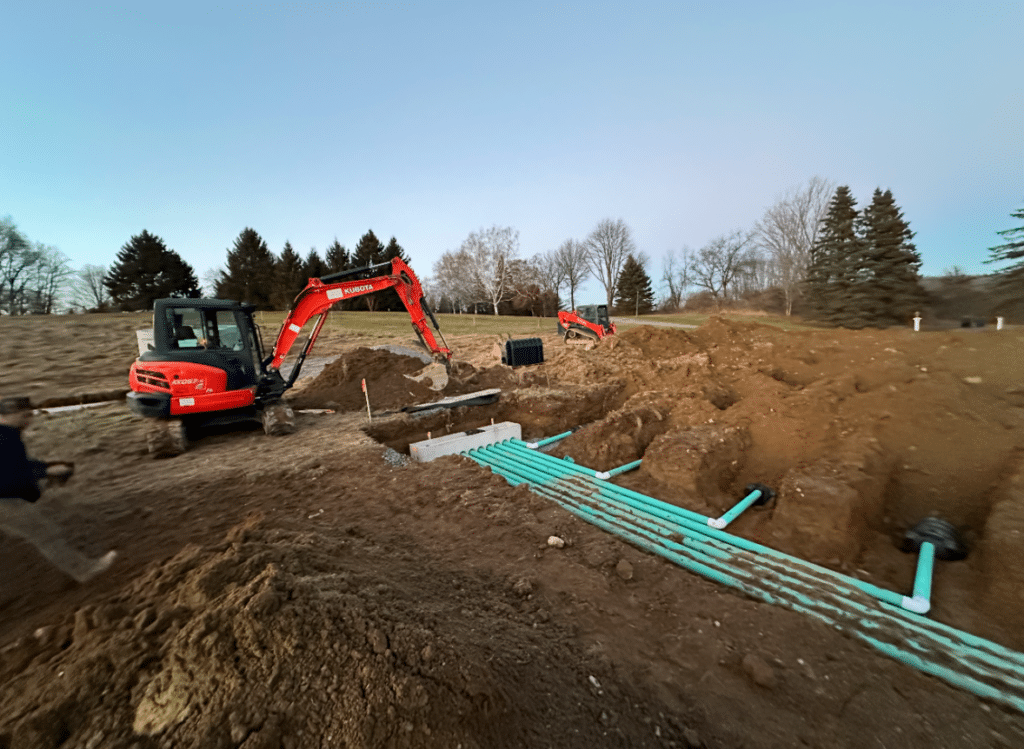
The leach field, sometimes called a turkey mound or absorption field, filters the liquid waste leaving the septic tank. Over time, fields can clog or fail due to age.
Replacing or repairing a leach field is a major excavation project. This structural cost belongs to the property owner. Tenants are only liable if they caused catastrophic damage, such as parking heavy trucks on the absorption area.
5. Grinder Pump and Effluent Pump Service
Many homes in hilly areas of Pennsylvania require pumps to move wastewater. Grinder pumps chop up solids, while effluent pumps push liquid to the mound system.
Pumps have mechanical lifespans and eventually burn out. Landlords pay for normal wear-and-tear replacement. However, if a grinder pump jams because a tenant flushed diapers, wipes, or grease, the tenant is responsible for the repair costs.
6. High-Pressure Drain Jetting (Hydro-Jetting)
Hydro-jetting clears severe clogs and sludge from sewer lines using high-pressure water. If tree roots block the pipes, the landlord covers the clearing costs. If a tenant pours cooking grease down the kitchen sink, causing a massive blockage, the tenant must pay for the hydro-jetting service.
7. French Drains & Drainage Solutions
Excess groundwater can flood a septic leach field, causing the system to fail. Installing French drains diverts water away from the septic area. Since this modifies the land and protects the property infrastructure, it is entirely the landlord’s responsibility.
How Tenant Misuse Changes Financial Liability
The Implied Warranty of Habitability protects tenants, but it does not excuse negligence. If a septic backup or failure occurs because a tenant abused the system, the landlord can legally charge the tenant for all repairs.
To protect your security deposit and avoid legal disputes, never flush the following items into a septic system:
-
Flushable wipes (they do not break down in septic tanks)
-
Feminine hygiene products
-
Diapers and baby wipes
-
Paper towels and facial tissues
-
Cigarette butts
-
Coffee grounds, eggshells, and food scraps
-
Cooking oil, fat, and grease
-
Harsh chemicals, gasoline, or oil paint
Tenants should also avoid using garbage disposals excessively. Disposals send too many solids into the septic tank, causing it to fill up much faster than normal.
Signs of Septic Trouble Tenants Must Report Immediately
Tenants have a duty to mitigate damage. This means reporting problems before they become catastrophic disasters. Landlords cannot fix a problem they do not know about.
Contact your landlord immediately if you notice any of these signs:
-
Foul odors coming from drains, the yard, or the septic tank area
-
Gurgling sounds in the plumbing system
-
Slow-draining sinks, bathtubs, or toilets
-
Sewage backing up into showers or lowest-level drains
-
Bright green, spongy grass over the septic tank or leach field, even during dry weather
-
Standing water or muddy patches in the yard near the septic system
Ignoring these signs can lead to extensive property damage. If a tenant fails to report a clear issue, they might be held partially liable for the resulting repair costs.
Best Practices for Landlords in Lackawaxen, PA
If you own a rental property in Lackawaxen, Pennsylvania, protecting your septic system is crucial. Repairs can cost thousands of dollars. Follow these best practices to safeguard your property:
-
Write an explicit septic clause: Clearly define who pays for routine pumping, inspections, and repairs in the lease agreement.
-
Provide a septic care guide: Give tenants a written list of what can and cannot be flushed or poured down the drains.
-
Inspect the system regularly: Schedule professional septic system inspections between tenants to verify the system is in good working order.
-
Pump the tank before new tenants move in: Start the tenancy with a clean, empty tank. This makes it easier to track usage and establish a baseline.
Best Practices for Tenants in Lackawaxen, PA
If you are renting a home with a septic system, protect yourself from unexpected expenses and disputes by taking these steps:
-
Review your lease carefully: Understand your responsibilities regarding the septic system before signing the contract.
-
Ask for maintenance records: Ask the landlord when the septic tank was last pumped and inspected.
-
Practice strict septic habits: Be mindful of water usage and never treat your toilets or sinks like a trash can.
-
Document everything: If you notice a plumbing issue, notify your landlord in writing and take photos or videos of the problem.
Resolving Disputes Over Septic Repairs
Disputes happen when a septic system fails and both parties deny responsibility. If you cannot agree on who should pay for a septic repair, a professional diagnosis is necessary.
An experienced septic technician can often determine why a system failed. For example, if a technician pulls a massive ball of wet wipes out of a broken effluent pump, the evidence clearly points to tenant misuse. If the technician discovers the pump simply failed due to old age, the landlord is responsible.
If a landlord refuses to fix a failed septic system caused by normal wear and tear, the tenant may have legal remedies under Pennsylvania law. The tenant might be able to repair the system and deduct the cost from the rent, or terminate the lease. Tenants should consult with a legal professional before withholding rent.
Professional Septic Services in Lackawaxen, PA
Whether you are a landlord looking to maintain your rental property or a tenant facing a sudden plumbing emergency, professional help is essential.
Triple J Services provides comprehensive septic care in Lackawaxen, Pennsylvania, and across the region. Our team handles everything from minor repairs to complete system replacements.
Our core septic services include:
-
Septic System Installation & Replacement: We design and install durable septic systems tailored to your property.
-
Leach Field (“Turkey Mound”) Repair & Installation: Restoring and building efficient absorption fields to keep your system safe.
-
Grinder & Effluent Pump Service: Repairing and replacing vital pumps to keep wastewater moving correctly.
-
Emergency Septic Pumping: Rapid response to clear backups and prevent property damage.
-
High-Pressure Drain Jetting (Hydro-Jetting): Blasting away stubborn blockages and grease buildup in sewer lines.
-
Septic System Inspections: Detailed evaluations for homebuyers, sellers, and landlords.
-
French Drains & Drainage Solutions: Managing exterior water to protect your foundation and leach field.
-
Excavation & Utility Trenching: Expert digging for septic lines, water lines, and utility hookups.
Maintaining a rental property’s septic system requires cooperation between landlords and tenants. Clear communication, a detailed lease agreement, and regular professional service from Triple J Services will keep the system running smoothly for years to come.
Article Recap
-
Legal Baseline: Pennsylvania law requires landlords to maintain a habitable property, which includes a working septic system.
-
Lease Priority: The rental agreement should explicitly state who handles routine septic pumping and maintenance.
-
Landlord Costs: Landlords generally pay for structural repairs, age-related pump replacements, leach field updates, and routine inspections.
-
Tenant Costs: Tenants are financially responsible for backups and mechanical failures caused by flushing improper items or pouring grease down drains.
-
Prevention: Landlords should provide septic guidelines, and tenants must report plumbing changes immediately to prevent major damage.
Do you need to schedule a routine septic inspection for your rental property, or are you facing a plumbing emergency? Contact the local experts at Triple J Services today. Visit Triple J Services to explore our full range of services, or learn more about our team on our About Us page. Let us help you keep your septic system operating perfectly.
External Resources
To build authority and provide readers with additional resources, consider linking to these high-authority websites:
-
Pennsylvania General Assembly (PGA): Link to the official text of the Pennsylvania Landlord and Tenant Act of 1951 when discussing the Implied Warranty of Habitability.
-
United States Environmental Protection Agency (EPA): Link to the EPA’s “SepticSmart” homecare guide to give readers an official checklist of septic system best practices.