
Managing a short-term rental or seasonal cabin in the Pocono Mountains comes with great perks, but winter brings a major risk: frozen plumbing.
When a Poconos property sits empty during a sub-zero cold snap, an unmonitored pipe freeze can quickly turn into a full-scale disaster. Water expands as it freezes. That expansion creates extreme pressure inside copper, PVC, and PEX lines, leading to sudden bursts.
If nobody is on-site to shut off the main water valve, hundreds of gallons of water can flood through ceilings, walls, and basements.
Even worse, water running down into floor drains, sump pits, or septic lines can freeze downstream, triggering sewage backups right into your living space.
Taking proactive steps before temperatures plunge saves you thousands in restoration costs, structural repairs, and lost booking revenue.
Here is a practical guide on how to safeguard your vacant property, protect your plumbing and septic infrastructure, and keep your rental investment safe all winter long.
Why Poconos Properties Are Extra Vulnerable to Winter Freeze, and Frozen Pipes
Vacation homes across Pike County, Lackawaxen, and the surrounding mountain communities face unique environmental and operational challenges during the winter months. Understanding these factors helps you target your winterization efforts effectively.
Extreme Temperature Swings and Wind Chill
Mountain weather changes rapidly. Severe arctic fronts push temperatures well below zero overnight. High winds cut right through crawlspaces, uninsulated rim joists, and wall cavities, rapidly pulling heat out of exposed pipes.
Unoccupied Gaps Between Guests
Unlike primary residences where heat runs constantly and warm water flows daily through taps, short-term rentals often sit vacant for days or weeks mid-winter. Stagnant water sitting motionlessly in pipes freezes much faster than moving water.
Power Outages from Heavy Ice and Snow
Northeastern Pennsylvania frequently experiences heavy ice storms and wet snow that knock down power lines and tree branches. If your heating system drops offline while a home is empty, interior temperatures plummet quickly, leaving plumbing completely unprotected.
Essential Steps to Winterize Your Vacant Rental Property
Protecting your home requires a multi-layered approach. Combine mechanical controls, thermal insulation, and regular physical checks to minimize risks.
1. Set the Thermostat Correctly
Never turn your heating system off when leaving a property vacant during winter. Set your thermostat to at least 55°F (13°C) minimum.
If your home has multiple heating zones, crawlspaces, or a finished basement, ensure every individual zone thermostat is set appropriately. Keep interior doors open throughout the house so warm air circulates into hallways, bathrooms, and utility closets.
2. Shut Off the Main Water Supply
For stays where the home will be empty for more than a couple of days, turn off the main water supply valve inside the home or at the well head.
If a pipe does freeze and burst while the main valve is shut, you limit the damage to only the water remaining in the lines, rather than allowing continuous pressurized well water to flood the structure.
3. Drain the Plumbing Lines
After shutting off the main water valve, open all faucets—hot and cold—on the highest level of the house down to the lowest level.
Flush all toilets to empty their tanks and bowls. Open outdoor hose bibs and drain exterior spigots completely. Leave indoor faucets slightly open while the home is vacant so any residual pressure has room to escape.
4. Insulate Exposed Pipes and Cold Spaces
In unheated basements, crawlspaces, attics, and exterior wall cavities, wrap all accessible water pipes with pre-slit foam pipe insulation or fiberglass sleeves. Pay special attention to elbows and joints where cold air infiltration hits first.
You can review official cold-weather home protection standards and safety guidance published by the Red Cross Home Fire and Winter Safety Guide.
Modern Technology Solutions for Remote Property Owners
Managing a property from afar can be stress-free when you deploy smart monitoring equipment. Investing in basic smart-home infrastructure gives you real-time visibility into your home’s environmental conditions.
Smart Thermostats with Temperature Alerts
Install Wi-Fi-enabled thermostats that let you monitor indoor temperatures from your smartphone. Set custom alerts to notify you immediately if the indoor ambient temperature drops below 45°F, giving you time to dispatch a local technician before lines freeze.
Wireless Water Leak Detectors
Place smart water sensors on the floor near high-risk zone locations:
-
Under kitchen and bathroom sinks
-
Next to the water heater and pressure tank
-
Beside the washing machine
-
Near grinder pump basins and sump pits
These sensors connect to your home Wi-Fi and push instant mobile alerts the second moisture touches the contact points.
Automatic Main Shut-Off Valves
Consider installing an automated main water shut-off valve linked to your smart leak detection system. When a sensor detects water on the floor, it signals the automatic valve to shut off the main supply line immediately, stopping a flood within seconds.
Protecting Outdoor Plumbing, Utility Lines, and Septic Systems
Indoor pipes are only half the equation. Poconos properties rely heavily on specialized outdoor wastewater infrastructure that requires equal attention during freeze cycles.
Freezing Risks in Septic Lines and Pumps
In shallow soil conditions or elevated terrain, shallowly buried sewer pipes, effluent force mains, and pump discharge lines can freeze solid.
If wastewater freezes inside an outdoor line, effluent backs up directly into the home’s lowest drains. According to technical septic care standards published by the U.S. Environmental Protection Agency (EPA), maintaining proper insulation and vegetative cover over tanks and absorption fields prevents frost from driving deep into critical infrastructure.
Grinder Pump and Effluent Pump Chamber Care
Homes located downhill from main lines or utilizing elevated sand mounds depend on electric pumps to move waste.
-
Check Alarm Panels: Test visual and audible high-water alarms on your grinder pump or effluent pump control box before winter starts.
-
Keep Riser Lids Insulated: Ensure access risers on septic tanks and pump chambers have tight-fitting, insulated lids. Cold air sinking into an uninsulated riser pit can freeze the water surface, jamming mechanical float switches.
-
Service Pumps Regularly: Worn pump impellers or failing float switches cause water levels to rise silently. When that liquid sits still in freezing temperatures, the whole basin freezes over.
If your property utilizes an outdoor lift station or mound system, the experienced team at Triple J Services can inspect your electrical panels, test pump controls, and ensure your system is completely winter-ready.
What to Do If Your Pipes Freeze
If you arrive at your rental property and find no water flowing from faucets, act quickly but carefully.
Locate your main interior water shut-off valve and close it completely. If a pipe has already split, water will pour out as soon as the ice blockage melts.
Check exposed pipes in unheated areas like basements, crawlspaces, garages, and under cabinets. Look for visible frost accumulation, bulging pipe walls, or hairline cracks.
Open the affected faucet to relieve internal pressure. Use an electric hair dryer, a portable space heater, or warm towels wrapped around the pipe to thaw the frozen section slowly.
Never use a blowtorch, propane heater, or open flame device to thaw pipes. This creates an extreme fire risk and can cause rapid steam expansion that bursts the pipe violently.
Once water flow resumes, carefully inspect every inch of exposed piping for leaks, drips, or cracks before leaving the property unattended again.
If you cannot locate the freeze, if the pipe is inaccessible inside a wall, or if you discover a burst pipe, call a local professional immediately.
Comprehensive Wastewater & Property Solutions by Triple J Services
Triple J Services is based right in Lackawaxen, PA, offering dedicated support to property owners throughout Pike County and the surrounding region.
We specialize in heavy-duty utility, plumbing, and septic solutions tailored specifically to rugged mountain terrain and cold winter environments.
Here is an overview of how our team protects and restores your property infrastructure:
Emergency Septic Pumping
When winter backups occur or high water levels threaten your home, our emergency pumping service clears out tank capacity quickly, preventing indoor flooding and giving you time to address mechanical issues.
Septic System Installation & Replacement
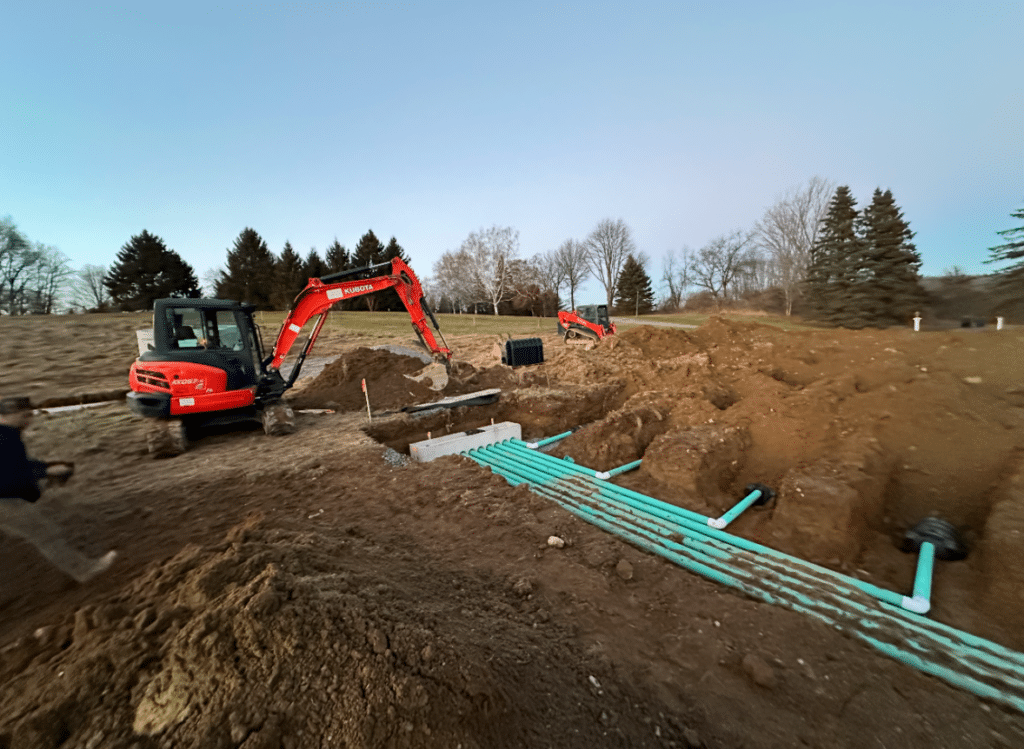
Building a new vacation home or replacing an aging, non-compliant system? We handle complete site preparation, excavation, tank setting, and distribution system installation built to withstand harsh winter conditions.
Leach Field & Turkey Mound Repair & Installation
Shallow bedrock and tight clay soils in our region often require specialized elevated sand mounds (turkey mounds). We build, repair, and service engineered distribution fields to ensure proper drainage year-round.
Grinder Pump Repair & Installation
Grinder pumps chew through heavy waste solids to push sewage uphill. When impellers jam or electrical components fail in freezing weather, we provide expert diagnostics, motor repairs, and complete pump replacements.
Effluent Pump Service & Replacement
Pressurized septic setups depend on reliable effluent pumps to move clarified liquid. We test float switches, inspect check valves, replace burned-out pumps, and service outdoor pump chambers.
High-Pressure Drain Jetting (Hydro-Jetting)
Grease, ice buildup, and heavy sludge in drain lines slow down flow and accelerate freezing. Hydro-jetting uses high-pressure water streams to blast pipe walls clean, clearing stubborn blockages across your entire system.
Septic System Inspections
Buying, selling, or managing a short-term rental property? Our thorough system inspections evaluate tank structural health, baffle condition, pump operation, and field absorption performance to catch issues before winter hits.
French Drains & Drainage Solutions
Melting winter snow and heavy spring rains create standing water that can flood crawlspaces and saturate septic drain fields. We design and install French drains, curtain drains, and surface water diversion channels to keep foundation soil dry.
Excavation & Utility Trenching
From installing buried water service lines to excavating deep trenching for utility conduits, our heavy equipment crew delivers precise excavation work with minimal disruption to your landscape.
Learn more about our local history, team, and commitment to quality service by visiting the Triple J Services About Uspage, or explore our full suite of capabilities on our Triple J Services Page.
Preventative Checklist for Short-Term Rental Hosts
Keep this simple winter checklist handy for your property manager, cleaner, or turnover team:
-
Thermostat check: Verify heat is set to at least 55°F across all zones.
-
Cabinet doors: Leave vanity and kitchen sink cabinet doors open so room heat reaches interior piping.
-
Drip vulnerable faucets: During extreme arctic cold snaps below 0°F, set a slow drip on faucets attached to uninsulated exterior walls.
-
Clear snow over tank risers: Keep heavy snow banks cleared away from septic access risers, vent pipes, and outdoor pump alarm panels.
-
Disconnect garden hoses: Remove all hoses from exterior spigots before the first hard freeze to allow internal anti-frost valves to drain properly.
-
Check pump alarms: Confirm green power lights are lit and red alarm lights remain off on outdoor pump control boxes.
Quick Article Recap
-
High Risk for Vacant Homes: Unoccupied Poconos rental properties face rapid freeze risks during sub-zero mountain cold snaps and unexpected winter power outages.
-
Core Protection Steps: Maintain thermostats at 55°F minimum, shut off the main water valve during long vacancies, drain lines, and insulate exposed piping in unheated spaces.
-
Smart Monitoring Helps: Install Wi-Fi thermostats, remote freeze alarms, and wireless water leak detectors to monitor your home from anywhere.
-
Protect Outdoor Septic Systems: Cold air entering uninsulated septic risers can freeze pump chambers, jam float switches, and cause indoor sewage backups.
-
Local Expertise Matters: Triple J Services in Lackawaxen, PA offers full-service septic repairs, emergency pumping, grinder pump service, hydro-jetting, and utility excavation across Pike County.
Safeguard Your Poconos Property Today with Triple J Services
Don’t let a frozen pipe or septic backup destroy your rental property or disrupt your guest bookings this winter season. Whether you need an emergency pump-out, grinder pump repair, drain jetting, or a full septic inspection, the local experts at Triple J Services are here to help.
We provide fast, reliable, and professional utility and septic services across Lackawaxen, PA, and surrounding Poconos communities.
Call Triple J Services today at (845) 750-5222 or visit our official website