Executive Summary / Quick-Read Block
-
Subsurface Failure Detection: Identifying failing underground wastewater infrastructure requires tracking surface soil saturation, distinct vegetation patterns, and structural topography anomalies.
-
Mechanical Lifecycle Risks: Older properties often feature neglected electrical assets like failing effluent pumps or compromised grinder pumps that require immediate replacement.
-
Financial Exposure Mitigation: Uncovering a compromised absorption area early prevents unexpected five-figure reconstruction and excavation costs during a property renovation.
-
Regulatory Inspection Realities: Standard real estate walkthroughs miss deep structural defects, meaning you need targeted diagnostic testing to verify structural integrity.
A real estate investor finalized the purchase of a historic Pennsylvania farmhouse, planning a quick interior cosmetic renovation. Three days after closing, the primary main line backed up, flooding the basement with raw sewage. The culprit was a completely collapsed absorption area, hidden beneath newly laid topsoil and disguised by dry summer weather. Buying a property with unverified wastewater infrastructure can turn a profitable investment into a financial nightmare overnight. Underground infrastructure failures are silent, expensive, and completely invisible to an untrained eye during a casual property walkthrough.
Fast Track Summary
-
Surface indicator tracking reveals underlying hydraulic failure through specific soil changes, distinct odors, and unusual vegetation growth.
-
Component age validation identifies near-term mechanical breakdowns in specialized assets like effluent pumps and distribution boxes.
-
Comprehensive physical inspections expose hidden system modifications, structural tank cracks, and illegal graywater bypass lines.
-
Targeted structural diagnostics protect buyers from unexpected excavation, utility trenching, and total absorption bed replacement costs.
Detecting Above-Ground and Below-Ground Septic Red Flags in Real Estate
Section Overview
Spotting hidden wastewater issues in a potential real estate purchase requires analyzing specific surface anomalies and structural indicators. Look for localized soggy soil, distinct odor boundaries, and irregular lawn growth over the absorption area. Conducting a specialized site review helps buyers identify structural issues, mechanical component failures, and previous unpermitted system modifications before closing on a property.
Evaluating a property’s wastewater system involves reading the landscape for subtle clues. Underground failures almost always telegraph their presence to the surface if you know exactly where to look.
Decoding the Myth of the Lush Green Lawn
A vibrant, bright green patch of grass in an otherwise dry, uniform lawn is not a sign of a healthy yard. It is often the first visible symptom of a dying leach field. When an absorption bed fails, effluent cannot drain downward through the soil profile as designed. Instead, the nutrient-rich wastewater pushes upward toward the surface via capillary action.
This process provides continuous fertilization to the grass directly above the absorption lines long before the yard turns into a swamp. Check the lawn closely during dry spells for these distinctly shaped green patterns. If the grass over the absorption bed or elevated sand mound looks noticeably healthier than the rest of the property, the system is likely oversaturated. This condition indicates that the soil can no longer process the volume of liquid entering the tank.
Property buyers can reference the EPA Septic System Resources for Homeowners to understand standard design parameters and normal operational footprints. If you notice structural changes or spongy turf during a walkthrough, the underground filtration system may be approaching the end of its operational lifecycle.
Identifying Surface Saturation and Topographical Anomalies
Walk the entire perimeter of the absorption area carefully, paying close attention to the resistance under your feet. Spongy, springy, or mud-like ground during dry weather indicates that the system is experiencing advanced hydraulic failure. Pay attention to low-lying areas or subtle depressions in the soil directly over the treatment tank or absorption field.
Landscapes reveal underlying failures through distinct, visible changes in the soil and environment. For instance, depressed earth patterns often mean a decaying wooden lid or a significant structural failure in an old concrete tank lid. Surface liquid pooling, where dark, stagnant water gathers in shallow landscape areas, points to a total lack of subsoil absorption.
Uneven topography lines show that recent, unlevel grading over a treatment field might be an attempt to cover up structural damage. Finally, exposed system components, such as uncovered inspection ports or plastic risers, indicate past repairs or ongoing maintenance issues.
These surface indicators show that the ground can no longer process wastewater efficiently. Ignoring these signs usually leads to severe structural backups inside the home. This baseline evaluation should always be paired with professional Triple J Services septic system inspections to map out the exact layout and condition of the underground system.
Uncovering Hidden Odors and Venting Anomalies
A properly functioning wastewater treatment system should not release foul gases into the surrounding yard or living spaces. If you smell sewage near the treatment area, distribution box, or indoor plumbing fixtures, the system is failing to vent or process waste correctly. Downdrafts can occasionally move normal sewer gas, but a persistent odor indicates a structural problem.
Check the area around the indoor plumbing vents and outdoor inspection ports for any signs of restricted airflow. Persistent odors often mean that solids have escaped the primary treatment chamber and clogged the distribution lines. When these lines clog, wastewater backs up, forcing sewer gases out through small cracks in the soil. These issues require immediate professional diagnostic work before the system backs up into the home’s living areas.
Mitigating Subsurface Infrastructure Failures and Estimating Reconstruction Costs
Section Overview
Addressing hidden septic system failures requires specialized technical solutions, accurate cost profiling, and careful structural planning. Repairing these systems can involve anything from high-pressure line jetting to complete site excavation and utility trenching. Understanding the differences between simple mechanical fixes and complete system reconstructions helps property buyers negotiate fair purchase prices and avoid unexpected infrastructure costs.
When an underground system fails, buyers must determine whether the issue requires a simple component repair or a complete system replacement. Understanding these options prevents costly surprises during property renovations.
Auditing Mechanical Components and Pumping Assets
Many properties built on challenging terrain use specialized mechanical pumps to move wastewater to higher ground. These configurations rely heavily on mechanical components like effluent pumps or grinder pumps to keep waste moving away from the structure. If these pumps fail, the entire system stops working almost immediately.
Mechanical system checks must target specific operational vulnerabilities across the asset framework. Grinder pump failures, such as burnt-out motors or broken impellers, cause immediate backups in properties with upward-sloping sewer lines. Effluent pump wear, including failed float switches or corroded wiring, prevents processed wastewater from reaching elevated absorption beds.
An active warning light or silenced buzzer on the alarm panel indicates recent electrical or mechanical failures. Additionally, check valve defects, like worn-out one-way valves, allow pumped wastewater to flow backward into the pump chamber, causing the system to run continuously.
Testing these electrical and mechanical components requires specialized technical knowledge. If you are planning a renovation, ensure your inspection includes a full electrical load check of these components. You can learn more about our local team’s specialized repair capabilities on the Triple J Services about page. Our technicians inspect electrical panels, pump draw metrics, and float performance to catch hidden problems before they cause an emergency backup.
High-Pressure Jetting Versus Full System Replacement
Not every slow-draining line requires a complete system replacement. Over decades of use, structural pipelines can accumulate thick layers of grease, scale, and organic sludge that restrict wastewater flow. This accumulation causes symptoms that mimic a total system failure, but the pipes can often be cleared using specialized high-pressure drain jetting equipment.
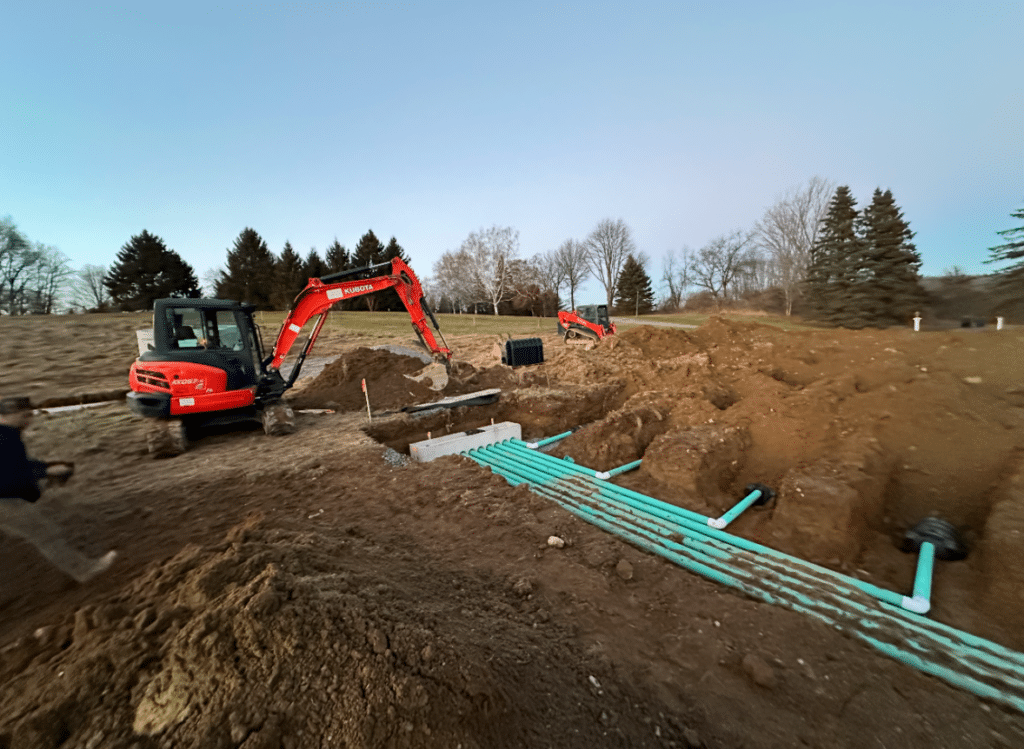
Hydro-jetting uses controlled water pressure to blast away interior pipe blockages without damaging older utility lines. However, if the main treatment lines have collapsed due to heavy vehicle traffic or soil shifting, cleaning will not solve the problem. If the primary treatment tank has structural cracks or the absorption field is completely saturated, the property will require a full system replacement. This process involves extensive excavation, careful elevation mapping, and installing a modern, code-compliant treatment system.
Property owners can consult the Penn State Extension Wastewater Engineering Guides to review regional soil requirements and structural standards for northeastern Pennsylvania. This information helps buyers understand local site conditions, such as high water tables or rocky soils, that affect system design and repair costs.
Scenario: Historic Poconos Cabin Renovation
An investor purchased an old stone cabin near Lackawaxen, Pennsylvania, with plans to convert it into a short-term rental property. The initial property inspection noted that the plumbing fixtures drained slowly, but the issue was attributed to a simple main line clog. Shortly after renovation work began, the primary mainline blocked completely, stopping all work on the site.
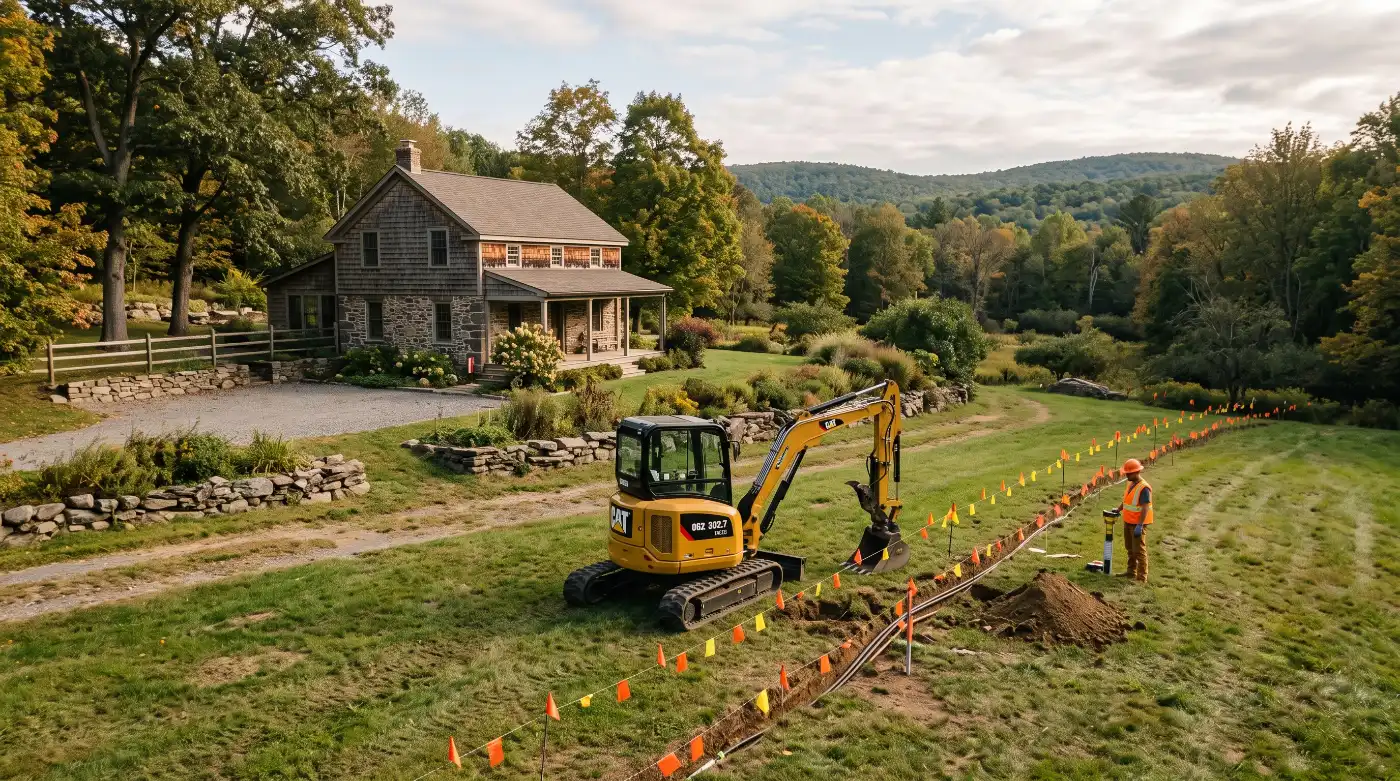
The repair crew brought in specialized diagnostic equipment to trace the line and discovered that tree roots had grown through the old clay pipes, causing them to collapse completely. To fix the issue, the team performed deep excavation and utility trenching to install a modern, heavy-duty Schedule 40 PVC main sewer line. They also installed an upgraded effluent pump system to safely move wastewater up to the existing absorption bed. This targeted intervention restored full plumbing functionality and protected the client’s investment from future backup risks.
Managing Drainage Patterns and Subsurface Excavation
Improper surface drainage is a common cause of premature absorption field failure. When rainwater from roofs, driveways, or hillside runoff drains directly onto a treatment area, the soil becomes waterlogged. This excess water prevents the ground from absorbing and filtering wastewater effectively, leading to system backups.
In an unmanaged environment, hillside surface runoff and unmanaged roof downspouts dump directly onto the treatment zone. This creates saturated surface soil, which completely overloads the absorption bed and causes immediate system backups into the home.
To fix this issue, engineers build an optimized drainage system that diverts water away from the infrastructure. Hillside runoff and roof downspouts are directed straight into an engineered French drain. This asset safely redirects the water away from the utilities, leaving a dry, fully functional absorption field that can process waste efficiently.
These drainage improvements shield the absorption area from heavy rains, keeping the soil dry enough to process wastewater efficiently. Proper grading and water management protect your infrastructure investment and ensure long-term system reliability.
External References
Key Takeaways: Hidden Septic Issues
-
Identify Soil Changes: Watch for bright green grass patterns and spongy turf to catch early signs of a failing absorption bed.
-
Test Mechanical Assets: Inspect critical electrical components, including grinder pumps and effluent systems, to avoid sudden system failures.
-
Examine Surface Grading: Verify that roof downspouts and landscape runoff drain away from the treatment area to prevent waterlogging.
-
Use Specialized Cleaning: Deploy high-pressure hydro-jetting to clear grease and scale blockages before replacing underground piping.
-
Invest in Full Inspections: Always get a professional diagnostic evaluation before closing on a fixer-upper property to protect against hidden repair costs.
Planning to buy a fixer-upper or need to evaluate an older property’s utilities? Get in touch with our team at Triple J Services for professional inspections, expert repairs, and precision excavation services in Lackawaxen, PA. Call us today at (845) 750-5222 to schedule a thorough site inspection before you sign your closing paperwork.