Owning a seasonal home in the Pocono Mountains is a dream for many. The clean mountain air, the quiet woods of Lackawaxen, Pennsylvania, and the weekend escapes offer a perfect break from city life. But when the autumn leaves finish falling and the thermometer starts dropping, that dream property requires some serious operational attention.
Northeast Pennsylvania winters are brutal. The ground freezes solid, snow piles up by the foot, and temperatures routinely stay below freezing for weeks at a time. If you pack up your lake house or mountain cabin in November and walk away without a proper winterization plan, you could return in the spring to a logistical and financial nightmare.
Most homeowners remember to turn off the main water valve and pour a little antifreeze down the sink drains. Unfortunately, they completely forget about the most expensive infrastructure on their property: the septic system.
A frozen septic tank, a cracked grinder pump, or a failed leach field can easily cause tens of thousands of dollars in property damage. Worse yet, it can render your home completely uninhabitable right when you want to enjoy a winter ski weekend. Protecting your investment means understanding how your waste systems interact with freezing mountain weather.
The Reality of a Pocono Freeze on Waste Systems
When a home is occupied full-time, the septic system benefits from a constant influx of warmth. Every time you run a hot shower, wash a load of laundry, or run the dishwasher, you introduce warm water into the tank. The natural bacterial activity inside a working septic tank also generates its own ambient heat. This steady thermal energy keeps the liquid inside the tank from freezing, even when the ground above it is frozen solid.
Seasonal homes do not have this luxury. When a house sits empty for months, no warm water enters the system. The bacteria go dormant as the waste cools down. Without a constant thermal supply, the frost line creeps deeper into the earth.
Eventually, it reaches the pipes connecting your home to the tank, the tank itself, and the components that move effluent out to your yard. If water sits stagnant in these components, it expands as it freezes, breaking solid plastic, cracking concrete, and shattering expensive cast-iron pump housings.
The Pre-Winter Assessment: Catching Vulnerabilities Early
Your winter preparation should always start long before the first snowflake hits the ground. Waiting until December to check on your system is a gamble you do not want to take. A professional Septic System Inspection is your first line of defense.
A thorough evaluation looks for structural cracks, high liquid levels, and early signs of mechanical wear in your pumps or baffles. Catching a small crack in a pipe or a struggling float switch in September gives you plenty of time to fix it before the ground turns to concrete.
During these inspections, technicians check the structural integrity of your tank covers and risers. If a riser lid is loose or cracked, cold air will pour directly into the tank, acting like a freezer door left cracked open.
Ensuring everything is sealed tight keeps the earth’s natural ambient heat trapped underground where it belongs.
Pumping Decisions: Don’t Leave Waste to Freeze
One of the most common questions seasonal homeowners ask is whether they should pump their tank before leaving for the winter. The answer depends heavily on your usage patterns and the current levels inside the tank. If your tank is close to capacity after a busy summer of entertaining guests, leaving it full over the winter is incredibly risky.
The heavy solid layer at the top can freeze into a solid chunk of ice, completely blocking the inlet and outlet pipes.
Scheduling a proactive pumping visit prevents this issue entirely. If you miss the window and end up facing a backed-up system in January, you will be forced to call for Emergency Septic Pumping.
Pumping a tank in the dead of winter is significantly harder, more expensive, and harder on your property. Heavy vacuum trucks have a tough time navigating icy mountain driveways, and digging through frozen topsoil to find access lids can tear up your landscaping.
Protecting the Leach Field and “Turkey Mound” Systems
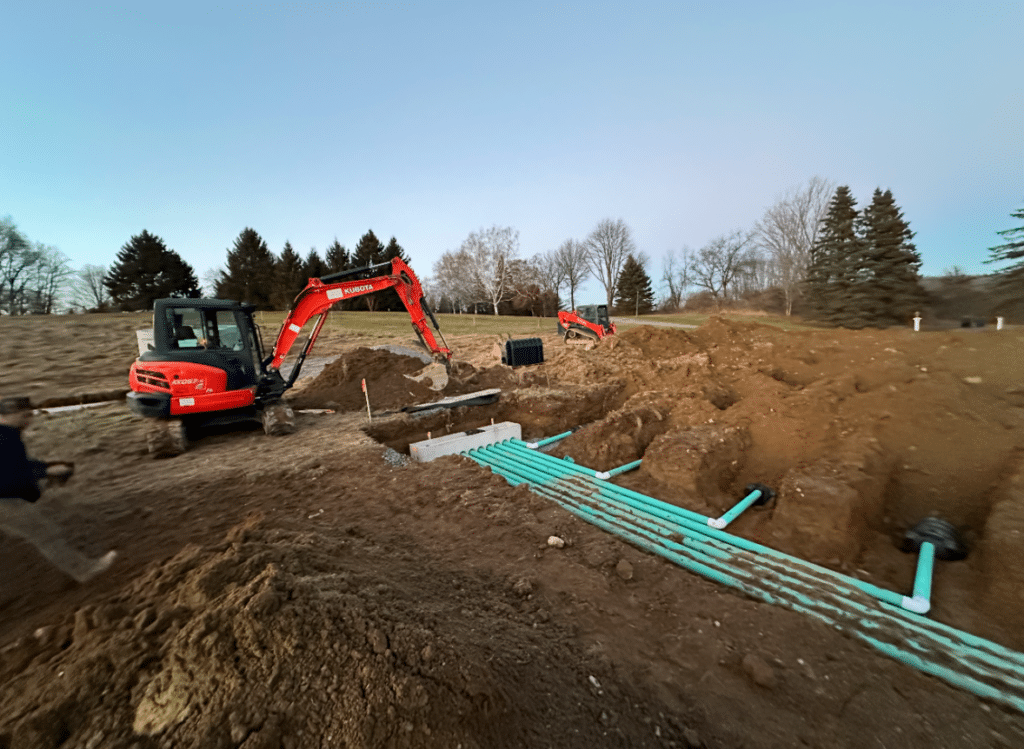
The geography of the Poconos presents unique challenges for wastewater disposal. Many properties in Lackawaxen and the surrounding mountain areas sit on thin topsoil with heavy sandstone bedrock right beneath the surface. Because the soil is often too shallow or dense for a traditional gravity-fed leach field, many homes rely on elevated sand mounds, locally known as “Turkey Mounds.”
These elevated sand mounds are constructed explicitly above the natural grade of your yard. This layout is designed to give the wastewater a sufficient vertical clearance to filter thoroughly through layers of clean sand before it ever reaches the shallow bedrock or the local water table.
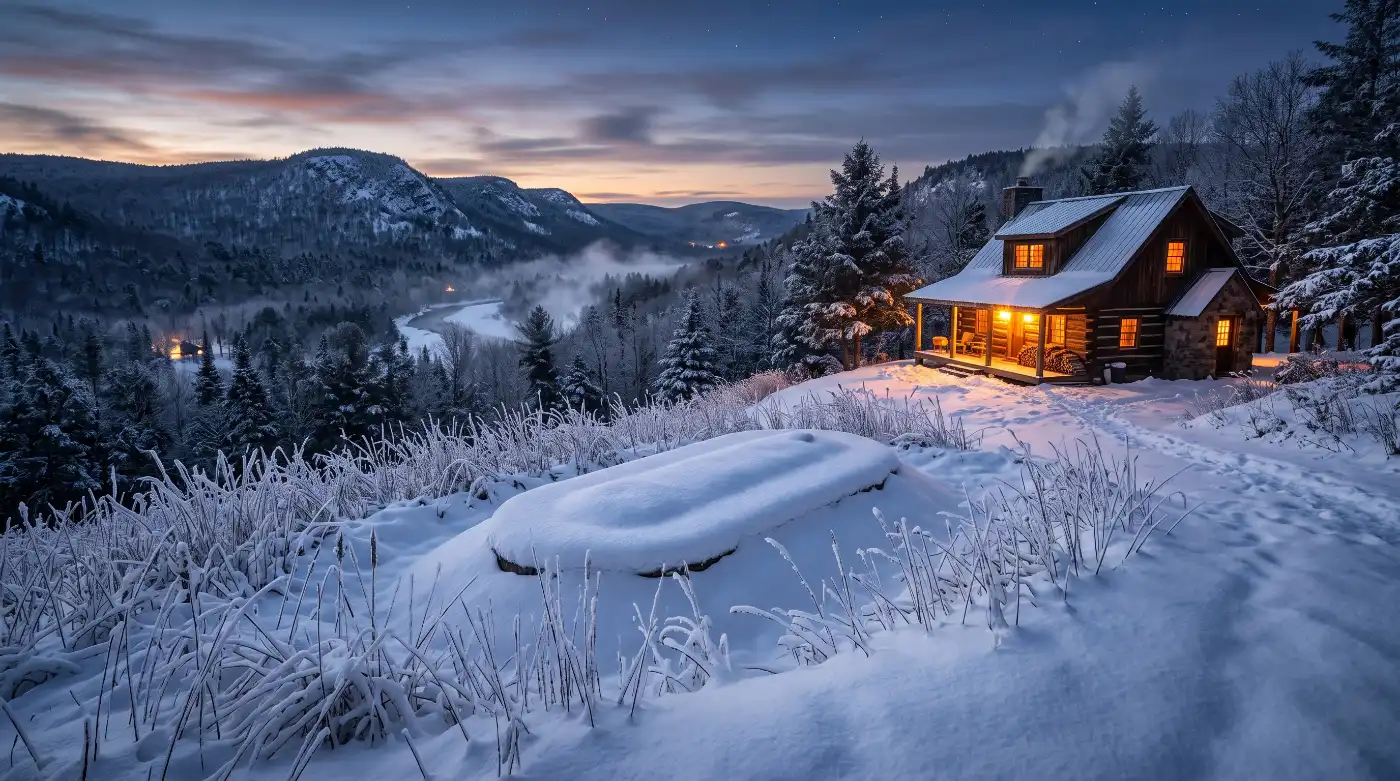
Because these mounds sit prominently above the original ground level, they lack the natural geothermal insulation that deep, traditional, underground absorption fields enjoy. Instead, they are completely exposed to freezing sub-zero winter winds from every side, increasing the risk that internal lateral distribution lines will freeze solid.
If your mound has thin spots where soil has eroded over the summer, you need immediate Leach Field (“Turkey Mound”) Repair & Installation support before winter settles in. Property owners can also help protect these systems by letting the grass on the mound grow a bit longer in the late autumn.
The long dead grass acts as a natural insulation blanket. When snow falls, that long grass traps the snow, creating a highly effective insulating layer that keeps frost from driving deep into the sand mound.
Mechanical Vulnerabilities: Grinder and Effluent Pumps
If your property relies on a pump to push waste uphill to a Turkey Mound or out to a municipal sewer main, you have an extra layer of mechanical components that need winter protection. These systems use either an effluent pump or a grinder pump housed in a dedicated outdoor pump basin.
In a standard setup, gravity carries wastewater from the home down into the outdoor basin. The waste collects in this chamber until it hits a specific liquid level, triggering the grinder or effluent pump to kick on. The pump then forcefully drives the waste upward through an uphill force main pipe straight to the elevated Turkey Mound or local utility tie-in.
When these systems are working normally, check valves prevent pumped liquid from draining backward into the basin when the pump cycles off. However, if a check valve leaks slightly, or if the weep hole in the discharge line is clogged, water can remain trapped inside the pipe right at the frost line.
The next time the pump tries to turn on, it will pump against a solid plug of ice, burning out the motor instantly.
Investing in timely Grinder Pump Repair & Installation or Effluent Pump Service & Replacement before the deep freeze sets in ensures that all valves, floats, and electrical connections are working flawlessly. A failed pump in a vacant home can cause the basin to overflow, flooding your yard with raw wastewater that quickly freezes into a biohazard sheet of ice.
Clearing the Lines: Hydro-Jetting Cold-Weather Sludge
Over the course of a busy summer and autumn, grease, soap scum, and organic sludge build up along the inner walls of your main waste lines. In warm weather, this buildup is semi-fluid and doesn’t cause many issues. But when the ground temperature drops into the thirties, that grease hardens into a thick, waxy solid.
This cold weather restriction catches hair and paper waste, forming a stubborn blockage that can completely shut down your drains.
Standard drain snakes often just poke a small hole through this frozen grease without actually cleaning the pipe walls. The best way to prep your lines for winter is through professional High-Pressure Drain Jetting (Hydro-Jetting).
This process uses specialized nozzles that blast highly pressurized water through your pipes, scrubbing the walls clean of all grease and debris. According to sewer safety guidelines from organizations like the National Association of Wastewater Technicians, hydro-jetting is the most effective preventative measure for preventing cold-weather line blockages.
Starting the winter with completely clean lines means you won’t have to worry about a slow-moving freeze catching debris and creating an inaccessible underground blockage.
Controlling Water: French Drains and Snowmelt Management
Winter preparation isn’t just about what goes into your septic tank; it’s also about managing the water that moves across your property. When heavy snow melts during a mid-winter thaw, thousands of gallons of water pour off your roof and rush down your driveway. If your property has poor grading, that surface water will pool directly over your septic tank or soak into your leach field.
An oversaturated leach field cannot accept wastewater from the house. The soil becomes like a soaked sponge, forcing waste to back up into your home’s lowest drains.
To prevent this saturation, you must direct surface runoff away from your waste infrastructure. Implementing custom French Drains & Drainage Solutions around your property keeps surface water moving safely away from your tank and mound.
If your current drainage channels are blocked or damaged, you may need deep Excavation & Utility Trenching to cut new swales, clear buried lines, or install heavy-duty gravel trenches. Getting your property’s drainage sorted out before the ground freezes guarantees that heavy winter snowmelt won’t compromise your septic system’s ability to process waste.
The Seasonal Vacancy Dilemma: Heat On or Heat Off?
One of the biggest operational choices you have to make when closing down your Pocono home is whether to keep the indoor heating system running at a low temperature or shut it down completely. If you choose to turn the heat off entirely to save on energy bills, you must completely blow out all the water lines inside the house, empty the water heater, and put non-toxic marine antifreeze into every toilet bowl and sink trap.
If you leave the heat on—usually set around 50 to 55 degrees Fahrenheit—you still need to take precautions. A prolonged power outage during a mountain ice storm can shut your furnace down for days, leaving your home exposed to freezing air.
No matter which method you choose, always make sure your main water supply valve is turned completely off before you leave. If a pipe freezes and bursts while the main valve is open, water will pump endlessly into your home, filling your basement and overloading your septic tank until the entire system fails.
Why Local Mountain Expertise Matters
You cannot treat a mountain septic system the same way you treat a suburban sewer hookup. The rock formations, shallow soils, steep slopes, and extreme weather of the Poconos demand specialized, local knowledge. Working with a team that understands the specific challenges of Lackawaxen properties makes all the difference.
At Triple J Services, we live and work in the very communities we serve. We know exactly how a Pocono winter treats mechanical equipment, and we know what it takes to protect your property.
Our team brings years of field experience to every job, ensuring your home is fully prepared to handle whatever winter throws its way. Whether you need an emergency pump repair, a preventative hydro-jetting treatment, or a complete system replacement, we have the specialized machinery and technical skill to protect your home.
Learn more about our core values, our deep roots in the local community, and our commitment to dependable service by exploring our About Us page. We take pride in helping our neighbors protect their homes, preserve their land, and keep their infrastructure running smoothly all year long.
The Short Version
-
Thermal Deficit: Vacant homes lose the constant stream of warm water that keeps septic tanks from freezing in the winter.
-
Mound Exposure: Elevated “Turkey Mounds” are highly vulnerable to freezing winds due to their design; they require thick grass or snow cover for insulation.
-
Pump Vulnerability: Freezing temperatures can lock up discharge lines, causing grinder and effluent pumps to burn out instantly.
-
Grease Hardening: Cold ground temperatures turn pipe grease into a solid wax, making pre-winter hydro-jetting essential for clear lines.
-
Drainage Control: Melted snow can oversaturate your leach field; proper French drains prevent surface water from flooding your system.
-
Proactive Protection: Scheduling inspections and pumping in the fall saves you from expensive, emergency winter service calls.
Schedule Your Winterization Consultation
Do not take chances with your Pocono home this winter. A little preventative care right now can save you from catastrophic water damage and expensive emergency repairs next spring. The team at Triple J Services is here to help you winterize your waste systems with confidence.
From advanced high-pressure line cleaning to pump maintenance and complete system inspections, we provide the dependable, expert service your mountain property needs.
Contact Triple J Services today at (845) 750-5222 to speak directly with a local septic expert, or visit our main Triple J Services website to book your fall maintenance appointment.
Let us handle the dirty work so you can enjoy a worry-free winter season knowing your property is completely protected.