Every homeowner wants a beautiful yard. If you live in the Poconos, you are surrounded by stunning natural landscapes, towering trees, and lush greenery. It is only natural to want your own property to match that mountain beauty. However, if your home relies on a private septic system, a large portion of your lawn requires a completely different approach to landscaping.
That area is your septic drain field, also commonly known as a leach field.
Landscaping over a drain field is a balancing act. Choosing the wrong plants can lead to catastrophic system failures, thousands of dollars in repairs, and a massive headache. On the flip side, planting the right vegetation actually protects your system, prevents soil erosion, and keeps everything functioning exactly as it should.
At Triple J Services, based right here in Lackawaxen, Pennsylvania, we handle everything from full septic system installations to emergency maintenance. We see firsthand what happens when roots wage war on underground pipes.
This guide covers what you can safely plant over your Poconos drain field, what you must avoid, and how to keep your entire system healthy.
Understanding Your Septic Drain Field
Before grabbing your shovel and heading to the local nursery, you need to understand what is happening beneath the grass. Your septic system has two main parts: the septic tank and the drain field.
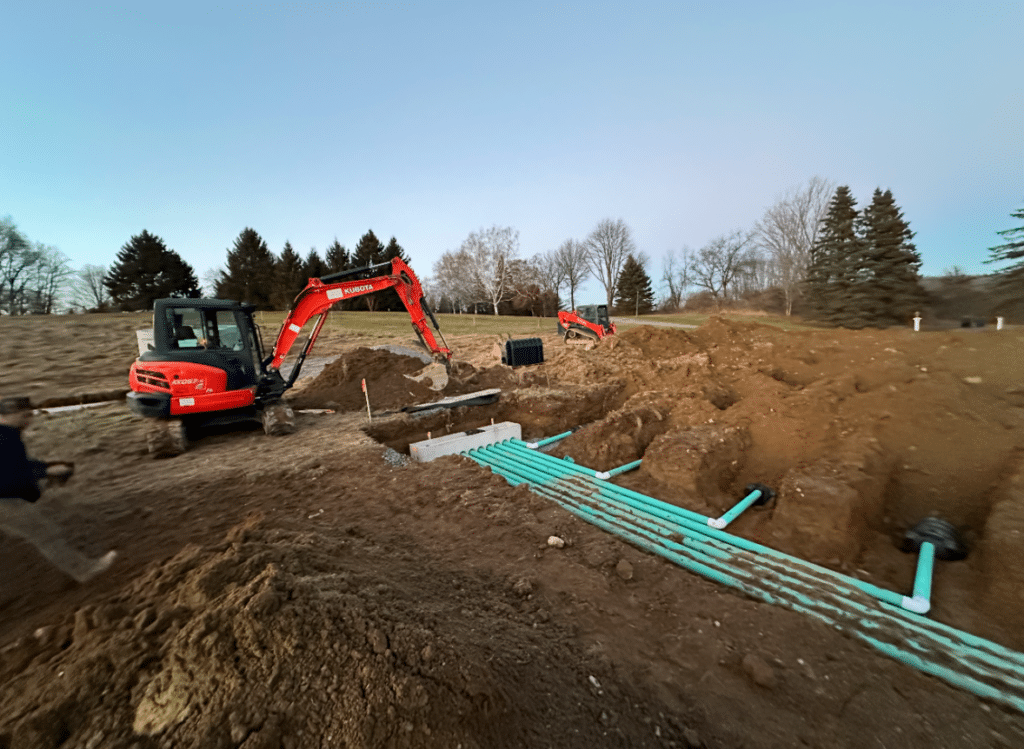
Wastewater leaves your home and enters the tank. Solid waste settles to the bottom, while liquid effluent flows out into the drain field. The drain field consists of a series of perforated pipes buried in gravel trenches or specialized chambers. This liquid trickles out of the pipes, filters through the gravel, and enters the soil. Beneficial bacteria in the soil naturally purify the water before it reaches the local groundwater supply.
This process requires oxygen, loose soil, and clear pathways. If anything disrupts the soil structure or clogs those perforated pipes, the entire system backs up.
The Danger of Aggressive Root Systems
The biggest threat to your leach field is root intrusion. Plants are naturally drawn to water and nutrients. To a thirsty plant root, your septic drain field looks like an all-you-can-eat buffet. The effluent leaving the pipes is warm, full of moisture, and packed with natural fertilizers.
Aggressive roots will seek out the small perforations in your drain field pipes. Once a single tiny root hair gets inside, it expands rapidly. Before you know it, the pipe is completely blocked. Liquid can no longer escape, causing the effluent to back up into your yard or, even worse, right back up your drains into your home.
Beyond clogging pipes, large roots can physically shift or crack the lines, collapse distribution boxes, and compact the soil. Compacted soil loses its ability to absorb oxygen, which destroys the bacteria needed to treat the wastewater.
Characteristics of Septic-Safe Plants
You do not have to leave your drain field as a barren patch of dirt. You can absolutely grow beautiful plants over it, provided they meet a very specific set of criteria.
-
Shallow Root Systems: The roots must not grow deep enough to reach the buried pipes, which are typically found anywhere from one to three feet below the surface.
-
Low Moisture Requirements: Plants that crave excessive amounts of water will aggressively hunt down your septic lines. Choose plants that survive on natural rainfall.
-
Non-Invasive Growth Habits: Avoid plants that spread rapidly through aggressive underground runners or rhizomes.
-
Herbaceous Nature: Focus heavily on non-woody plants. Perennials, annuals, bulbs, and lawn grasses are your best friends here.
What Plants Are Safe for a Poconos Drain Field?
The Pocono Mountains fall within USDA Hardiness Zones 5 and 6, depending on your exact elevation. This means our winters are cold, our summers are humid, and our soil can range from rocky to clay-heavy.
Fortunately, there are plenty of beautiful, shallow-rooted native and adapted plants that thrive in our climate while keeping your septic system completely safe.
Lawn Grasses: The Gold Standard
If you want the absolute safest option for your leach field, stick to traditional turfgrass. Grass roots are incredibly shallow, usually extending only a few inches into the dirt. They provide excellent erosion control, absorb excess surface moisture, and allow for maximum oxygen exchange in the soil.
For the Poconos, cool-season grasses do exceptionally well. Consider these varieties:
-
Kentucky Bluegrass
-
Perennial Ryegrass
-
Fine Fescues (like Creeping Red Fescue or Chewings Fescue)
Fescues are particularly great because they have a low water requirement and do well in both sun and partial shade.
Native Flowering Perennials
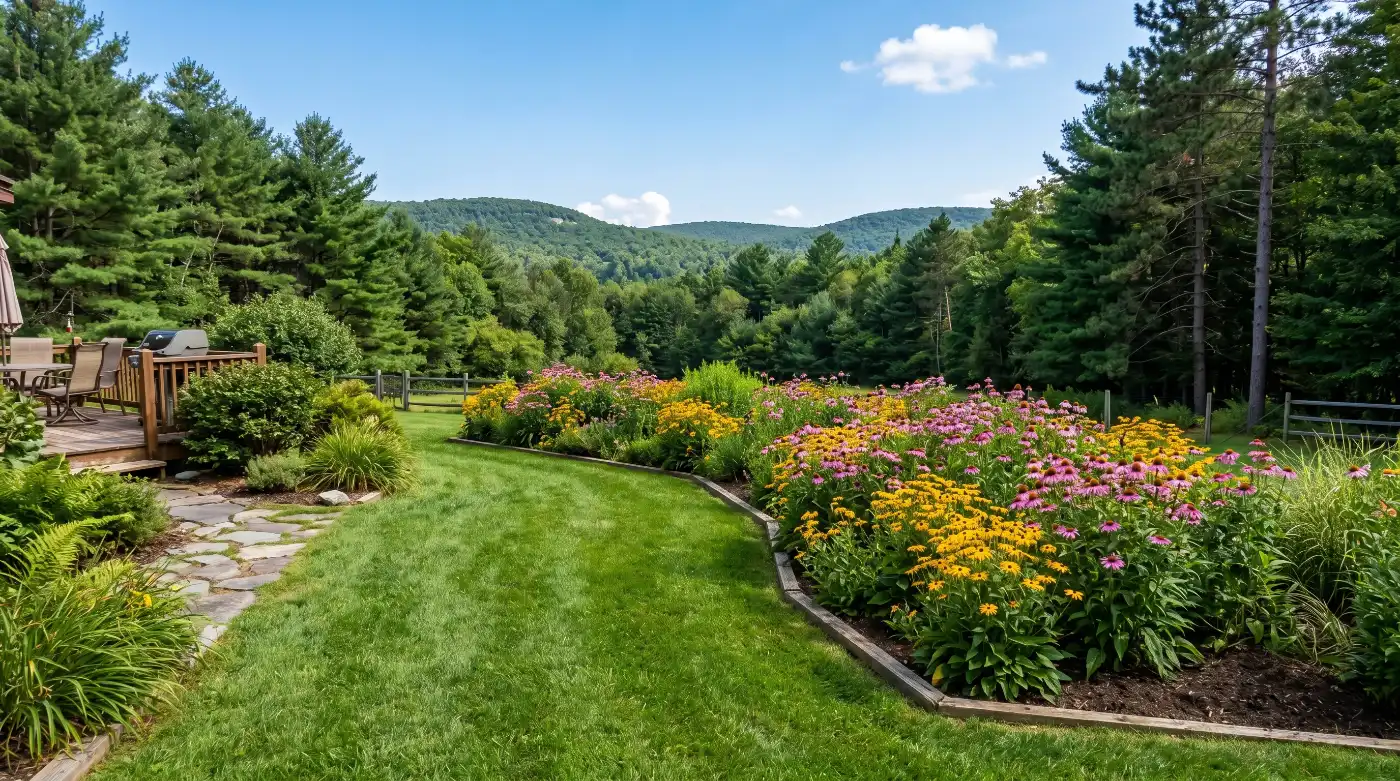
If you want to add vibrant colors and support local pollinators without risking your plumbing, native perennials are a fantastic choice. They return year after year and adapt beautifully to local soil conditions.
-
Purple Coneflower (Echinacea purpurea): A hardy option that loves full sun, handles drought well, and has a very manageable root system.
-
Black-Eyed Susan (Rudbeckia hirta): A classic Pennsylvania wildflower that thrives in sunny spots and adds bright pops of gold to your yard.
-
Wild Bergamot / Bee Balm (Monarda fistulosa): This plant features unique lavender blooms and grows well without sending deep, destructive roots into the earth.
-
Blazing Star (Liatris spicata): Known for its striking purple flower spikes, this native plant handles moist but well-drained soils perfectly.
Safe Groundcovers
If you do not want to mow over your drain field, groundcovers offer a low-maintenance alternative to traditional grass. They carpet the ground nicely and hold the soil in place.
-
Creeping Phlox (Phlox subulata): This plant creates a stunning carpet of pink, purple, or white flowers in the early spring. It loves sunshine and has very shallow roots.
-
Bugleweed (Ajuga reptans): A great option for partly shaded areas. It grows densely, keeps weeds down, and stays close to the surface.
-
Sedum / Stonecrop: These hardy succulents store water in their leaves, meaning they do not need to send roots deep into the ground looking for moisture.
Spring and Summer Bulbs
Bulbs are highly self-contained and pose zero threat to underground septic lines. You can plant them right over the field for seasonal color bursts.
-
Daffodils
-
Tulips
-
Alliums
-
Crocuses
The Landscape Danger Zone: Plants to Avoid
Knowing what to keep away from your drain field is just as crucial as knowing what to plant. As a rule of thumb, never plant trees or large shrubs anywhere near a leach field.
The general safety guideline is to plant trees at least as far away as their expected mature height. If a tree grows 30 feet tall, keep it at least 30 feet away from the edge of your drain field.
High-Risk Trees to Keep Away
Certain trees have notoriously aggressive, water-seeking root systems. Keep these far away from your entire septic setup:
-
Willows (weeping willow, black willow)
-
Maples (especially silver maples and red maples)
-
Elms
-
Birches
-
Beeches
-
Poplars and Aspens
Dangerous Shrubs and Woody Plants
Even smaller woody plants can cause major damage if left unchecked. Avoid planting these over or adjacent to the field:
-
Pussy Willows
-
Boxwoods
-
Holly bushes
-
Hydrangeas
-
Any large, woody evergreen shrubs
Special Consideration: Leach Fields and “Turkey Mounds”
In many parts of the Poconos, the soil is thin, rocky, or has a high water table. Because of these geographical traits, standard inground drain fields are not always possible. If you live in Lackawaxen or nearby areas, you might have an elevated sand mound system, colloquially known as a “Turkey Mound.”
A Turkey Mound is a septic drain field built above the natural ground level using specific layers of sand and topsoil. Because these systems sit above the ground, managing moisture and erosion is even more critical.
When landscaping a Turkey Mound, stick strictly to fescue grasses and very light, shallow-rooted groundcovers like creeping phlox. Avoid heavy perennials or anything that requires you to dig deeply into the mound, as you could easily puncture the synthetic liner or disrupt the carefully balanced sand layers.
Golden Rules for Drain Field Gardening
If you are planning to refresh the look of your yard this season, keep these practical landscaping rules top of mind.
-
Never Dig Deeply: Use hand tools rather than heavy machinery when planting over your leach field. Double-check the depth of your lines before starting any major projects.
-
Wear Protection: Septic soil contains bacteria and viruses. Always wear heavy-duty gardening gloves, and wash your hands thoroughly when you finish.
-
Skip the Vegetable Garden: Never plant tomatoes, lettuce, carrots, or any other edible crops over a drain field. The roots can absorb harmful pathogens from the wastewater, making the food unsafe to eat.
-
Do Not Add Excess Soil: Adding a massive layer of heavy topsoil over the field can smother the system, blocking the oxygen needed to break down waste. Keep additions to a minimum.
-
Avoid Landscape Fabric and Plastic: Plastic sheeting blocks vital oxygen exchange. Let the soil breathe naturally.
-
Redirect Runoff: Ensure your gutters, downspouts, and driveway runoff point away from the drain field. Over-saturating the zone prevents it from drying out and treating waste properly.
-
Keep Heavy Weight Off: Never drive cars, tractors, or heavy landscaping equipment over the field. This crushes pipes and compacts the soil instantly.
Beyond the Greenery: Total Septic Health
A beautiful lawn means nothing if your home’s infrastructure is failing underneath. Landscaping is just one piece of the puzzle. To prevent system failures, you need to think about what goes down your drains too.
Grinder Pumps and Effluent Pumps
Many homes in our region rely on pumps to move waste. A grinder pump chops up household waste and pushes it uphill to the main sewer or septic tank. An effluent pump sends the cleared liquid from your tank out to your drain field or Turkey Mound.
If these pumps fail, things back up quickly. Watch out for warning alarms, strange noises from your yard, or slow-draining toilets. Regular inspections keep these hard-working pumps running smoothly.
The Power of Hydro-Jetting
Over time, grease, sludge, and minor root hairs build up in your main lines. Traditional snaking can clear a path, but high-pressure drain jetting (hydro-jetting) scrubs the pipe walls completely clean. This specialized service flushes away stubborn debris using pressurized water, restoring full flow to your septic system without damaging your yard.
Trust Local Experts for Your Septic Needs
Managing a septic system in the Pocono Mountains requires specialized local knowledge. The unique terrain, weather, and soil conditions mean that a one-size-fits-all approach simply does not work. Whether you need a routine inspection, a leach field repair, a new grinder pump, or emergency pumping, working with a team that understands our local landscape is vital.
To learn more about environmental regulations and proper groundwater safety in our state, check out the Pennsylvania Department of Environmental Protection. For great ideas on utilizing beautiful, non-invasive plants that support local wildlife safely, explore the resource guides available through the Penn State Extension Service.
Quick Recap: Safe Septic Landscaping
-
The Big Risk: Aggressive roots can enter perforated pipes, causing blockages, soil compaction, and system backups.
-
Safe Choices: Stick to shallow-rooted, low-water plants like cool-season turfgrasses, native perennials (Coneflower, Black-Eyed Susan), and light groundcovers.
-
What to Avoid: Keep all trees and woody shrubs far away from the leach field to prevent deep root intrusion.
-
No Edible Gardens: Never grow vegetables or fruits over a drain field due to pathogen contamination risks.
-
Turkey Mounds: Elevated sand mounds require extra care; stick to simple grasses to prevent erosion and avoid deep digging.
Call Triple J Services Today!
Don’t let landscaping mistakes ruin your septic system. Based in Lackawaxen, PA, Triple J Services is your trusted, local go-to team for everything septic. From professional installations and leach field repairs to emergency pumping and high-pressure hydro-jetting, we keep your home running smoothly. Protect your property investment and ensure your peace of mind. Contact Triple J Services today to schedule your septic inspection or system service!