Your home or business relies on a hidden network of pipes, tanks, and pumps to keep things running smoothly. Most of the time, you do not have to think about what happens when you flush the toilet, run the washing machine, or empty the kitchen sink. Wastewater just disappears.
If your property sits lower than the main municipal sewer line or your primary septic tank, gravity cannot do the heavy lifting. That is where your grinder pump steps in. This tough piece of machinery acts like a garbage disposal for your wastewater. It chops up solid waste into a fine slurry and pushes it uphill through your plumbing system.
When a grinder pump breaks down, you know it almost instantly. The warning alarm sounds, drains slow to a crawl, or raw sewage backs up into your lowest tubs and sinks. Dealing with a malfunctioning pump is messy, stressful, and expensive.
Understanding what causes these systems to fail helps you spot small issues before they turn into full-blown emergencies. Property owners in Lackawaxen, Pennsylvania can save thousands of dollars in premature replacements by following a few basic care guidelines.
What Exactly Is a Grinder Pump?
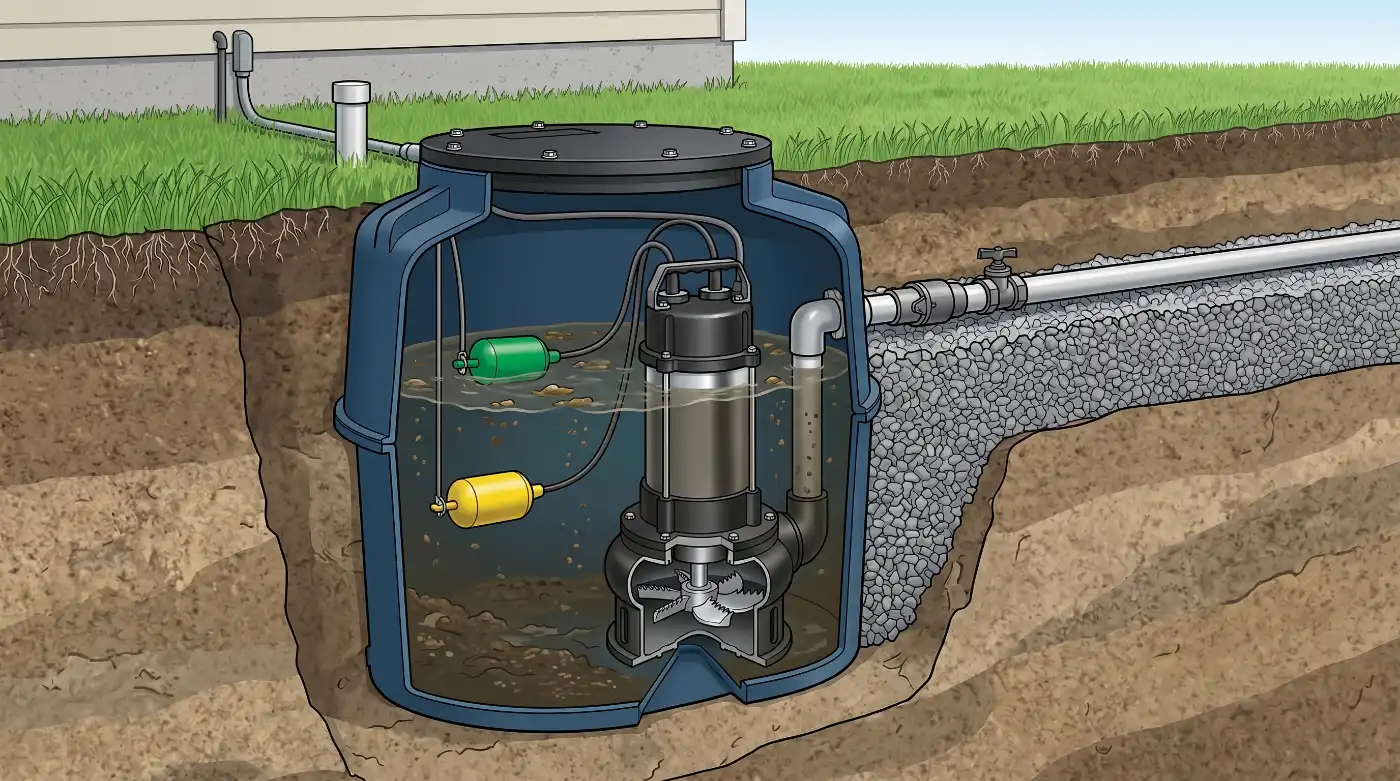
A grinder pump sits inside a large underground tank, often called a basin or wet well. This basin collects all the wastewater leaving your building. As the water level inside the tank rises, it lifts a float switch. Once the liquid reaches a specific height, the switch tells the pump motor to turn on.
Inside the pump, high-speed steel blades spin rapidly to slice through solid organic matter and toilet paper. Once the solids are ground into a smooth slurry, an impeller forces the liquid out of the basin, through a check valve, and up into the public sewer main or your local septic system. When the liquid level drops back down, the float switch drops, and the motor turns off until the basin fills up again.
These pumps are common across Pike County, especially in neighborhoods with rolling hills or homes built near water features where gravity-fed lines are impossible to install. While these units are engineered to last for years under tough conditions, they are not invincible.
The Most Common Causes of Grinder Pump Failure
Grinder pumps fail for a handful of predictable reasons. Most problems trace back to what goes down the drains, electrical issues, or mechanical wear and tear.
1. Flushing Inappropriate Items
The absolute number one cause of grinder pump failure is flushing things that do not belong in a septic or sewer system. These pumps are designed to handle natural human waste and standard toilet paper. They cannot process modern household trash.
Flushable wipes are the worst offenders. Despite what the packaging claims, these wipes do not dissolve in water like toilet paper does. Instead, they get caught in the pump’s cutting blades. The wipes twist around the shaft, bind up the cutters, and cause the motor to overheat and burn out.
Other common items that ruin grinder pumps include feminine hygiene products, dental floss, cotton swabs, band-aids, paper towels, and kitty litter. Condoms and plastic wrappers are also major culprits. When these items enter the basin, they form a dense, tangled mass that jams the mechanism completely.
2. Pouring FOG (Fats, Oils, and Grease) Down the Sink
Cooking grease might look like a liquid when it is hot in the pan, but it changes quickly once it enters your cold underground plumbing. Grease cools, solidifies, and coats the interior walls of your pump basin.
Over time, this grease buildup creates a thick, waxy crust. This crust coats the float switches, weighting them down or pinning them in place. If a float gets stuck in the “down” position, the pump will never turn on, causing the basin to overflow. If it gets stuck in the “up” position, the pump runs continuously until the motor burns itself out.
Grease can also coat the pump intake, forcing the motor to work twice as hard to push liquid through the lines. This extra strain significantly shortens the lifespan of the equipment.
3. Electrical Malfunctions and Corrosive Gas
Grinder pumps live in a harsh, wet, and highly corrosive environment. Sewage naturally produces gases like hydrogen sulfide. These fumes can slowly seep into electrical enclosures, corroding wires, terminals, and control panels.
Electrical failures often stem from a few specific sources:
-
Blown Fuses or Tripped Breakers: A sudden power surge from a storm can trip the circuit breaker or blow a fuse in the outdoor control box, cutting power to the pump.
-
Damaged Power Cables: Ground shifts, rocky Pennsylvania soil, or burrowing pests can damage buried electrical lines, cutting off the power supply.
-
Stuck or Broken Float Switches: The mechanical switches that trigger the pump can short out or fill with water, preventing them from sending the signal to start the motor.
-
Corroded Control Panels: Moisture inside the outdoor control box can ruin the internal relays and capacitors that manage the pump’s operation.
4. Component Wear, Tear, and Old Age
Every mechanical part has a limited lifespan. A high-quality grinder pump typically lasts between 8 and 15 years, depending on how often it cycles and how well it is maintained.
The cutting blades gradually dull after years of grinding up waste. As the blades lose their edge, they struggle to chop through solids, leaving the pump vulnerable to jams from items it used to handle easily.
Internal seals can also degrade over time. If a water seal cracks, sewage can leak directly into the motor housing. Water and electric motors do not mix. This type of leak causes an instant electrical short and permanently ruins the motor.
Signs Your Grinder Pump Needs Urgent Attention
You do not want to wait until sewage is bubbling up in your yard to realize your pump is failing. Your system will usually give you a few early warnings that something is wrong.
The Alarm Is Sounding or Flashing
Your grinder pump system connects to an outdoor control box, usually mounted on the side of your home or on a post near the underground basin. This box features a red warning light and a loud audible alarm buzzer.
The alarm trips when the water level inside the basin rises past the safe maximum threshold. This means the pump is either jammed, lost power, or cannot keep up with the volume of water entering the tank. If you hear a buzz or see a red light glowing, stop running water immediately and call for help.
Frequent Tripping of the Circuit Breaker
If you notice that the circuit breaker dedicated to your grinder pump keeps tripping, do not just flip it back on and ignore it. A breaker trips to prevent an electrical fire.
Frequent tripping means the pump motor is pulling too much electrical current. This usually happens because the cutting blades are jammed by a foreign object, or the motor windings are shorting out due to internal water damage. Continually resetting the breaker can permanently destroy the pump.
The Pump Runs Constantly and Never Shuts Off
A healthy grinder pump should turn on, run for a few minutes to empty the basin, and then shut down. If you can hear your pump humming continuously for hours, something is broken.
This issue points to a float switch that is physically stuck in the up position by grease or debris. It can also mean the pump has lost its prime, has a severe internal clog, or the impeller is broken, meaning it spins but cannot generate enough pressure to move liquid up the pipe.
Slow Drains and Gurgling Noises
When the wastewater basin fills to capacity because the pump is failing, the water in your home has nowhere to go. You will notice that toilets take longer to clear when flushed, and sinks drain incredibly slowly.
You might also hear strange gurgling or bubbling noises coming from your drains or toilets when you run water elsewhere in the house. This happens because air is getting trapped in the lines by the rising water level in the main septic basin.
How to Avoid a Grinder Pump Emergency
Preventing a plumbing disaster comes down to mindful daily habits and basic preventative upkeep. You can avoid most emergency service calls by protecting the system from the kitchen and bathroom.
Educate Everyone in the Household
Make sure family members and guests know what can and cannot go down the drains. Place small trash cans in every bathroom so no one feels tempted to flush wipes, wrappers, or cotton products.
Follow the golden rule of septic care: if it did not pass through your body first, do not flush it down the toilet. The only exception is standard toilet paper.
Keep Grease Out of Your Kitchen Plumbing
Never pour cooking oil, bacon grease, pan drippings, or butter down the kitchen sink. Even if you run hot water and dish soap at the same time, the grease will still cool and harden down the line inside your pump basin.
Wipe greasy pots and plates out with a paper towel before washing them in the sink. Pour hot cooking oil into an empty tin can, let it cool into a solid block, and throw it in the trash.
Conserve Water During Power Outages
Your grinder pump runs on electricity. If a major storm knocks out power in Lackawaxen, your pump will stop working completely.
However, your plumbing lines will still function temporarily. Gravity will still pull water down your drains and into the underground basin, but the pump cannot empty it.
During an outage, limit your water usage dramatically. Avoid taking long showers, running the dishwasher, or doing laundry. The basin only holds a specific volume of liquid before it overflows into your yard or backs up into your home.
Schedule Regular Professional Inspections
Do not wait for the system to break to look inside the basin. Having a professional inspect your grinder pump system every few years can save you from an unexpected breakdown.
During a routine visit, a technician can clear out accumulated grease, test the float switches, check the electrical amp draw of the motor, and ensure the one-way check valves are working correctly. This preventative maintenance catches minor component wear before it triggers a midnight emergency.
When to Call the Professionals
Some household repairs are fine for a weekend DIY project. Grinder pump repair is not one of them. These systems combine high-voltage electricity, complex plumbing pressures, and raw biohazardous waste.
Working on a pump without the proper training and tools can cause severe injury, electrical shock, or expose you to dangerous bacteria. If your alarm is sounding, or you suspect an issue, you need to call a licensed technician who understands septic systems inside and out.
A professional team has the right tools to safely lift the pump out of the basin, clear stubborn clogs, rewrite faulty controls, or replace worn-out components cleanly and efficiently. They can also perform deep clearing services like high-pressure drain jetting to blast away the heavy grease slabs that disrupt your system’s switches.
Expert Septic Care in Lackawaxen, PA
At Triple J Services, we know that a septic issue cannot wait. We are a family-owned, local business based right here in Lackawaxen, Pennsylvania. We specialize in keeping your home’s wastewater systems running flawlessly, offering complete care for residential and commercial properties.
Our skilled team covers every aspect of septic maintenance, from initial system design to emergency repairs. Our core septic and drainage services include:
-
Septic System Installation & Replacement: Complete design and construction of reliable new septic systems tailored to your property’s specific soil and slope requirements.
-
Leach Field (“Turkey Mound”) Repair & Installation: Restoring old absorption fields and constructing specialized raised sand mounds to handle your wastewater safely.
-
Grinder Pump Repair & Installation: Fixing jammed motors, broken float switches, and installing heavy-duty replacement pumps.
-
Effluent Pump Service & Replacement: Maintaining the specialized pumps that move treated liquid from your tank to the final absorption field.
-
Emergency Septic Pumping: Fast, reliable pumping services to empty overfilled tanks and prevent catastrophic home backups.
-
High-Pressure Drain Jetting (Hydro-Jetting): Blasting away years of packed grease, sludge, and tree roots from your main drain lines using targeted water pressure.
-
Septic System Inspections: Comprehensive structural evaluations for homeowners and real estate transactions to verify system health.
-
French Drains & Drainage Solutions: Installing custom yard drainage networks to divert stormwater away from your foundation and leach fields.
-
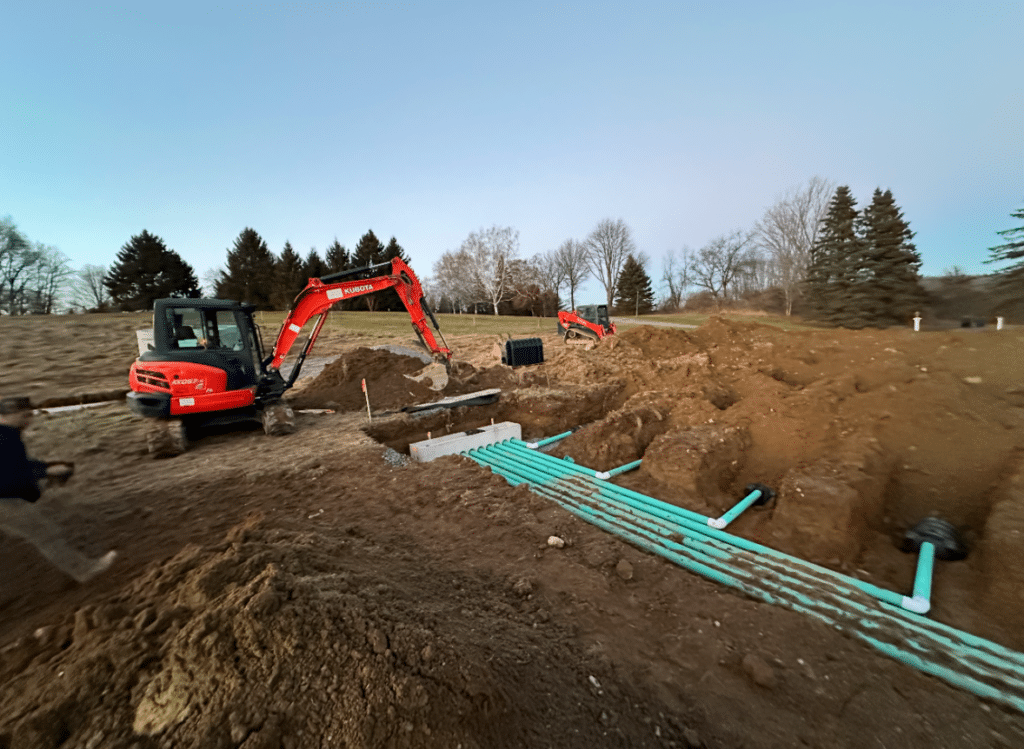
Excavation & Utility Trenching: Safe, precise digging for new water lines, electrical conduits, and septic pipe runs.
We pride ourselves on providing honest, straightforward service to our neighbors across the region. We focus on finding the source of your problem, explaining your options in plain English, and delivering long-term solutions that protect your property.
To learn more about who we are and our commitment to our community, take a look at our Triple J Services About Us Page. If you are interested in looking at our full suite of residential offerings, browse through the Triple J Services Services Page.
Quick Article Recap
-
System Purpose: Grinder pumps grind up solid waste and pump wastewater uphill when gravity cannot do the job.
-
Primary Failure Cause: Flushing trash, flushable wipes, and household debris jams the cutting blades and burns out the motor.
-
Grease Hazards: Pouring fats, oils, and grease down the sink creates a solid crust that pins float switches, causing system overflows.
-
Environmental Strain: Corrosive sewage gases can ruin buried wires, trip circuit breakers, and damage outdoor control boxes over time.
-
Emergency Signs: A sounding or flashing red alarm box, constant motor humming, slow-draining fixtures, and gurgling pipes mean your system needs immediate professional help.
-
Outage Care: Grinder pumps require electricity to work; cut your water use down to a bare minimum during local power outages to avoid a backup.
Contact Triple J Services Today
Do not wait for a minor pump glitch to turn into an expensive, messy plumbing emergency. Whether your warning light is flashing, your drains are backing up, or you want to schedule a preventative inspection to protect your investment, we are here to help. Contact the local team at Triple J Services today by calling (845) 750-5222 to speak with a septic expert or schedule service for your Lackawaxen home.