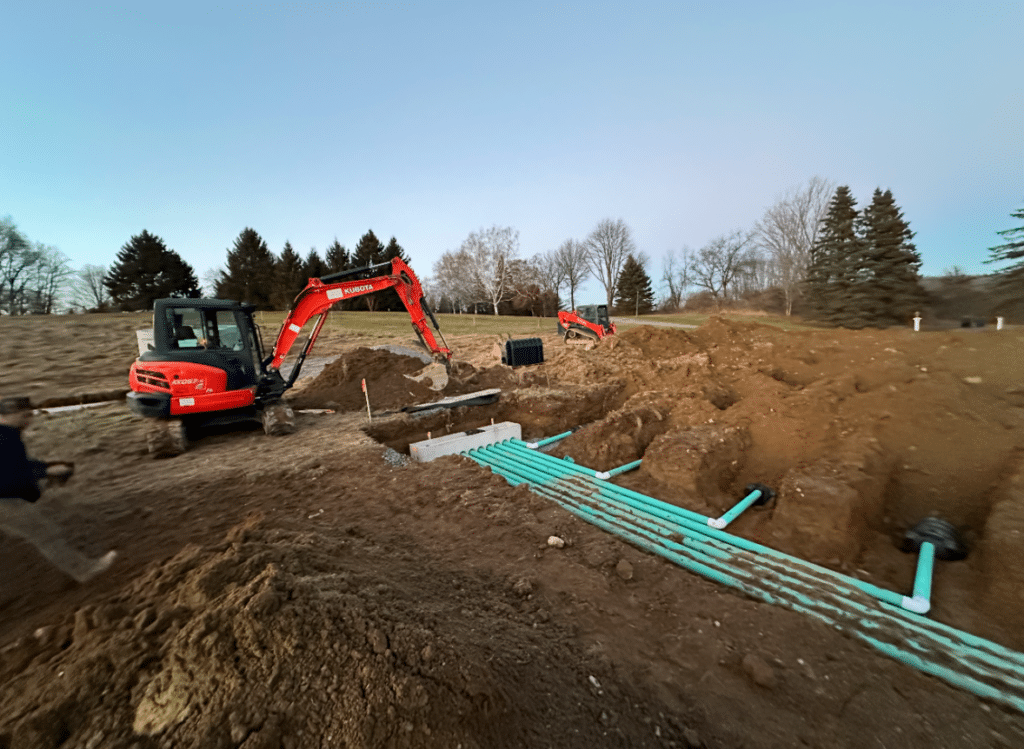

The Sudden Backyard Nightmare: Facing the Foul Sewage Smell
You step outside onto your back porch on a beautiful, clear evening. You are looking forward to relaxing, firing up the grill, or just watching the sunset over the trees. Instead, the moment you open the door, an unmistakable, stomach-turning odor hits you square in the face.
It is the distinct, pungent smell of raw sewage.
At first, you try to convince yourself that it is just a passing scent from a neighbor’s property or perhaps a nearby agricultural field. But over the next few days, the odor lingers. It grows thicker, especially on warm afternoons or after your family runs a few loads of laundry.
A sewage smell in your yard is a clear, urgent warning sign from your underground plumbing or septic infrastructure. It means toxic gases, and potentially raw wastewater, are escaping their intended containment systems. Ignoring the odor won’t make it go away. In fact, waiting too long to address the root cause can turn a simple fix into a massive, expensive property excavation project.
The True Dangers of Ignoring Sewer Gas
Before mapping out the suspects behind the smell, it is crucial to understand that sewer gas isn’t just an annoying threat to your outdoor comfort. It is a genuine health and environmental hazard that requires swift attention.
Sewer gas is a complex mixture of various compounds generated by the natural decomposition of human waste. The primary driver behind that classic rotten-egg stench is hydrogen sulfide. In low concentrations, it irritates your eyes, nose, and throat. In high concentrations, or when it seeps into enclosed spaces like crawlspaces or basements, it can become highly toxic.
Beyond hydrogen sulfide, sewer gas contains methane and carbon monoxide. Methane is highly flammable and poses a severe risk if it accumulates near open flames, electrical panels, or utility connections. Furthermore, escaping wastewater can quickly saturate your lawn, pooling in low spots where pets and children play. This pooling exposes your household to dangerous bacteria, viruses, and parasites. According to environmental health briefs published by [the Centers for Disease Control and Prevention (CDC)], exposure to untreated residential wastewater poses significant risks for gastrointestinal illnesses and skin infections.
1. The Cracked, Broken, or Root-Infiltrated Main Sewer Line
Your home’s main sewer lateral line is the critical subterranean highway responsible for carrying every single drop of wastewater away from your drains and out to either a municipal sewer system or a private septic tank. Because these pipes are buried deep underground, they are completely out of sight and out of mind until something goes catastrophically wrong.
Over decades of service, underground sewer pipes face immense structural stress. Soil shifts, freeze-and-thaw cycles exert external pressure, and older pipe materials like cast iron or clay naturally degrade, crack, and collapse.
The Tree Root Invasion
One of the single most common causes of a broken sewer line is subterranean tree root intrusion. Trees possess highly sophisticated, opportunistic root systems designed to seek out moisture and nutrients in the dirt.
Your buried sewer pipe is full of warm, nutrient-rich water. If your main line has even a microscopic crack or a slightly loose joint, moisture will weep out into the surrounding soil. Nearby tree roots will detect this moisture trail and grow directly toward the pipe. They will wedge their way into the smallest seam, expanding as they grow until they completely shatter the pipe or create a massive internal blockage that traps solid waste.
The Warning Signs and the Fix
When a main sewer line cracks or separates under your yard, wastewater leaks directly into the earth. The soil becomes waterlogged, and the foul gases rise naturally to the surface.
You can usually spot a broken line by looking for localized patches of grass that appear incredibly lush, bright green, and fast-growing compared to the rest of your lawn. You might also notice distinct sunken spots or soggy patches in the dirt directly along the path of your underground plumbing.
Fixing a compromised main line requires professional diagnostics. Plumbers utilize specialized, waterproof sewer inspection cameras threaded down the line to pinpoint the exact location and nature of the structural failure. Depending on the severity of the damage, the fix can range from targeted spot repairs and hydro-jetting root removals to complete pipe replacement using modern, durable PVC materials.
2. A Failed, Saturated, or Clogged Septic Drainfield
If your home relies on an independent septic system rather than a city utility connection, a persistent sewage odor almost always points directly to a failure within your septic infrastructure. Specifically, the drainfield—also known as the leach field—is usually the culprit.
A standard septic system relies on a two-step treatment process. First, wastewater leaves your home and settles inside a buried concrete or plastic septic tank. Solids fall to the bottom to form a sludge layer, while oils float to the top. The clear liquid layer in the middle, known as effluent, flows out of the tank and into a network of perforated pipes buried in gravel-filled trenches. This network is your drainfield. The liquid slowly drips through the pipes and filters down through the soil, where natural bacteria purify it before it reaches the local groundwater table.
The Biofilm Blockage
Over time, if a septic tank isn’t pumped out regularly, solid sludge can escape the tank and flow straight into the delicate drainfield pipes. These solids clog the perforations, preventing the liquid from filtering down through the ground.
Additionally, a thick, slimy layer of bacteria called a biomat can build up excessively in the soil surrounding the trenches if the system is constantly overloaded with water. When the soil becomes completely sealed by this biomat or choked by solids, the effluent has nowhere to go. It backs up in the trenches, reverses direction, and forces its way upward through your lawn.
Spotting the Failure and Implementing the Fix
When a drainfield fails, the symptoms are impossible to miss. Your yard will develop a persistent, spongy texture, and you will eventually see gray, foul-smelling water pooling on top of the grass. Your indoor drains might also start gurgling, or your toilets may flush sluggishly.
Resolving a failed drainfield requires immediate professional intervention to evaluate the health of your soil and tank. The first step is typically pumping out the overfilled septic tank to relieve immediate hydraulic pressure on the system.
From there, technicians may need to clear the field pipes using high-pressure jetting, treat the soil to break down the restrictive biomat layer, or, in severe cases, excavate and install an entirely new drainfield loop. According to long-term soil science data maintained by the [National Environmental Services Center], proactive septic maintenance and water conservation are the most effective ways to prevent catastrophic soil binding and field failures.
3. A Damaged, Cracked, or Blocked Plumbing Vent Stack
Sometimes, the source of a terrible backyard sewage odor isn’t buried deep beneath your grass at all. Instead, it can stem from a failure in how your home’s internal plumbing system breathes.
Every residential plumbing system features a network of vent pipes, often called vent stacks. These pipes run vertically inside your walls and exit cleanly through your roof. Vent stacks serve two essential purposes: they allow sewer gases to escape safely into the open air high above your living spaces, and they introduce fresh air into the system to prevent vacuums from forming. Without this fresh air intake, rushing water from a flushing toilet would siphon the water out of your sink and shower traps, leaving your home unprotected against indoor sewer gas leaks.
When the Vent System Fails
Because vent stacks exit through the roof, they are completely exposed to the elements and local wildlife. Over time, these open pipe tops can become clogged by bird nests, falling leaves, twigs, or accumulating winter ice.
When a vent pipe is blocked, the sewer gases that naturally rise through your plumbing system can no longer escape straight up into the atmosphere. The pressure builds within the pipe network until the gas finds the path of least resistance.
If there is a small crack or a separated joint in the vent stack hidden within your attic, crawlspace, or exterior wall cavity, the trapped gas will bleed out. Depending on how your home architectural lines run and how the wind blows across your property, this escaping gas can become trapped under your roofline, drift down into your yard, or settle heavily around your porches and patios.
Identifying Vent Issues and Executing the Fix
If your underground yard lines are completely dry, solid, and functioning perfectly, but you still experience sporadic waves of sewage odor outside, your vent stack is a prime suspect. You might also hear a distinct glugging or sucking sound coming from your bathroom sinks or showers when you flush a nearby toilet.
Fixing a vent stack problem is typically a straightforward process, but it requires safely accessing your roof or attic space. A professional plumber will clear away any physical debris blocking the top of the stack using specialized augers or high-powered water streams. If the blockage isn’t at the roofline, technicians can use smoke-testing equipment to pump safe, high-visibility smoke through your drains, instantly revealing the exact location of any hidden cracks or leaks along the vent pipe’s path.
The Critical Importance of Professional Diagnostic Equipment
Trying to diagnose an underground plumbing or septic failure by simply guessing where to dig is an exercise in frustration and financial waste. Modern plumbing requires a high degree of technical precision and specialized electronic tools to minimize property damage and ensure accurate fixes.
Investing in amateur fixes or pouring harsh chemical treatments down your drains often aggravates plumbing issues, corroding older pipe materials and destroying the beneficial bacteria your septic system relies on to break down waste. Professional plumbing crews deploy advanced technology to take the guesswork out of the equation.
By pairing high-resolution sewer camera inspections with precise electronic pipe locators, technicians can map your entire underground infrastructure from above ground. This pinpoint accuracy means repairs can be executed exactly where the failure sits, protecting your landscaping, driveways, and patios from unnecessary excavation. If you want to learn more about the technical standards behind modern residential plumbing systems, exploring comprehensive plumbing services and technical diagnostic options will show you how modern tools safeguard your property investment.
Your Local Partners in Home Maintenance and Protection
When your home’s vital systems face a crisis, you don’t just need someone with a wrench; you need a team that understands the unique environmental and structural challenges of your specific region. Property owners face distinct demands throughout the year, from shifting soil conditions to harsh winter freezes that can crack exposed lines.
Located in Lackawaxen, Pennsylvania, Triple J Services is proud to serve as the premier, trusted provider of comprehensive home maintenance and repair services throughout our local communities. We have built our business on a simple foundation: delivering clear communication, meticulous craftsmanship, and honest, reliable solutions that keep your home safe and functional.
Our experienced technicians bring deep industry knowledge and localized expertise to every single service call, whether we are troubleshooting an elusive sewer odor, running diagnostic camera lines, or managing complex residential system updates. Discover our story and our deep commitment to our Pennsylvania neighbors by reading about our PA heritage and core service values.
We treat your property with the utmost respect. We know that a sewage smell in the yard is a stressful situation that disrupts your peace of mind and threatens your family’s comfort. Our team moves quickly to diagnose the issue accurately, explain the necessary fixes clearly, and execute the repair using the highest quality materials. Let us handle the dirty work so you can step outside, breathe easy, and truly enjoy your property once again.
The Short Version: Sewage Smells
-
Main Line Failures: Cracked, collapsed, or root-infiltrated main sewer lines leak raw wastewater directly into your soil, causing rich patches of grass and foul odors.
-
Septic Drainfield Backups: When a private septic tank isn’t pumped regularly, solid waste escapes and clogs the leach field, forcing foul-smelling effluent to pool on top of your lawn.
-
Vent Stack Blockages: Debris, animal nests, or ice can clog your roof’s plumbing vent pipes, trapping sewer gases and forcing them to escape through hidden cracks around your home.
-
The Danger of Delay: Sewer gas contains toxic hydrogen sulfide and flammable methane. Escaping wastewater also introduces dangerous, disease-carrying bacteria to your living environment.
-
Professional Precision: Resolving yard odors safely requires high-tech diagnostic tools like sewer cameras and smoke testing to locate the source of the leak without tearing up your landscaping.
Restore Comfort and Safety to Your Home Today
A foul sewage odor in your yard is a clear sign that your plumbing or septic system is under immense distress. Don’t let a minor line crack or a simple vent blockage escalate into a catastrophic backup that damages your property and costs thousands to resolve.
At Triple J Services, we have the specialized diagnostic equipment, technical expertise, and local experience to solve your toughest plumbing and home maintenance challenges cleanly and efficiently. Operating right out of Lackawaxen, Pennsylvania, we stand ready to protect your home and restore your peace of mind.
Take back your outdoor spaces and eliminate the stench for good. Contact Triple J Services today to schedule an expert inspection, and let our dedicated team deliver the fast, reliable, and professional solutions your property deserves.