
Selling a home is a major milestone. In Pennsylvania, the process involves specific legal obligations. If your property relies on an on-site wastewater treatment system, you face unique responsibilities. Pennsylvania real estate laws require strict transparency regarding home conditions. Failing to fulfill these duties can lead to severe financial and legal consequences.
Understanding what to share with buyers protects your investment. It also ensures a smooth, legally compliant transaction. This guide breaks down your requirements under state law. It covers the mandatory disclosure form, common septic issues, and how local experts help you navigate the sale.
The Legal Framework for Pennsylvania Property Disclosures
Pennsylvania law protects home buyers through mandatory transparency. The Real Estate Seller Disclosure Law requires sellers to identify known material defects. A material defect is a specific problem that has a significant adverse impact on the property value. It can also involve issues that involve an unreasonable risk to people on the property.
The law applies to almost all residential real estate transfers. It covers standard single-family homes, multi-family units up to four dwellings, and condominiums. Sellers must complete the standard Pennsylvania Seller’s Property Disclosure Statement. This document includes a dedicated section for water and sewage systems.
You must fill out this form honestly. It is not enough to say you do not know about a problem if you actually do. Honesty protects you from future lawsuits. Buyers have the right to know exactly what they are purchasing.
The Sewage Section of the Disclosure Form
The disclosure form asks explicit questions about your sewage system. You must specify whether your property connects to a public sewer or uses an individual on-site system. If you have an on-site septic system, you must provide the details of its location and type.
The form requires you to share the date when the system was last pumped or serviced. It asks if you are aware of any leaks, backups, or operational failures. You must disclose any modifications made to the system. You also need to share if any official notices of violations have been issued by local authorities.
A history of minor problems must be documented. If your drains backed up two years ago, note it down. If a component was replaced, include that information. Complete transparency reduces your liability after the closing date.
Common Septic Problems You Must Report
Many septic system issues qualify as material defects. You must disclose these issues if you have experienced them during your ownership.
Sluggish Drains and Structural Backups
Slow drains across multiple sinks or tubs indicate systemic failure. Gurgling sounds in your plumbing walls point to structural blockages. Raw sewage backing up into household fixtures is a severe defect. You cannot mask these problems with chemical cleaners and skip reporting them.
Surface Pooling and Saturated Soil
A healthy absorption field stays dry. Saturated soil or standing water over your leach field indicates a failure to filter wastewater. Lush, abnormally green grass over the absorption area shows the soil is overloaded. This pooling is a biohazard and a critical structural issue.
Component Failures and Alarms
Modern systems often feature electrical and mechanical parts. A flashing light or audible alarm on a grinder pump basin signals an active emergency. Failing float switches, burnt-out effluent pumps, and cracked concrete tanks are significant defects. If your system relies on an advanced pressure distribution network or an engineered mound system, every mechanical element must function perfectly.
The Risks of Concealing Septic Defects
Some sellers tempt fate by hiding known issues. This choice is a costly mistake in Pennsylvania. Buyers discover hidden defects quickly after moving into a house. The increased water usage of a new family frequently pushes a marginal septic system over the edge into total failure.
Concealing defects opens the door to lawsuits based on fraud and misrepresentation. Under Pennsylvania law, a buyer who wins a disclosure lawsuit can recover actual damages. These damages often equal the entire cost of a new septic system installation.
Courts can also award punitive damages and attorney fees. The financial penalty for dishonesty far exceeds the cost of upfront repairs. Total transparency acts as your legal insurance policy during and after the real estate transaction.
The Value of a Professional Septic Inspection
The Pennsylvania disclosure law requires you to disclose known material defects. It does not explicitly force you to hire an inspector before listing. However, skipping a professional inspection introduces substantial risk. Buyers will almost certainly hire their own inspector as a contingency in their purchase offer.
Getting a pre-listing inspection puts you in control of the transaction. A certified specialist evaluates the entire system. They check tank integrity, test pump functionality, and examine absorption field performance.
Discovering a problem early allows you to address it on your own terms. You can fix the issue before buyers tour the property. Alternatively, you can adjust your listing price to reflect the repair costs. This proactive step eliminates surprises during escrow and keeps your sale on track.
Navigating the Pennsylvania Sewage Facilities Act
The Pennsylvania Sewage Facilities Act, known as Act 537, governs local wastewater systems. This law requires local municipalities to implement comprehensive sewage plans. It regulates the permits needed for system installations, repairs, and alterations.
When selling a property, you must ensure your system complies with local municipal codes. Some Pennsylvania townships require mandatory septic inspections upon property transfer. Others demand that tanks be pumped out completely within a specific timeframe before closing.
Compliance with Act 537 is handled through local Sewage Enforcement Officers. These officers oversee local ordinance enforcement. Knowing your local rules prevents costly delays at the closing table.
Septic System Variations in Pennsylvania Terrain
Pennsylvania features diverse geography. The soil types and landscapes dictate what kind of septic system a home requires. Buyers and sellers must understand these variations. Different systems have unique maintenance needs and disclosure points.
Conventional Gravity Systems
Conventional systems are common in older homes with deep, well-draining soil. Wastewater flows by gravity from the house to the septic tank. It then travels to a distribution box and into gravel-filled trenches. These systems are simple but require specific soil conditions to function properly.
Pressure Distribution and Effluent Pumps
Properties with complex topography or restrictive soil layers cannot use simple gravity systems. These homes require advanced pressure distribution systems. These setups use a specialized effluent pump in a dosing tank. The pump delivers treated wastewater evenly across the entire absorption area. You must disclose the operational status of these pumps and their electrical control panels.
Engineered Mound Systems
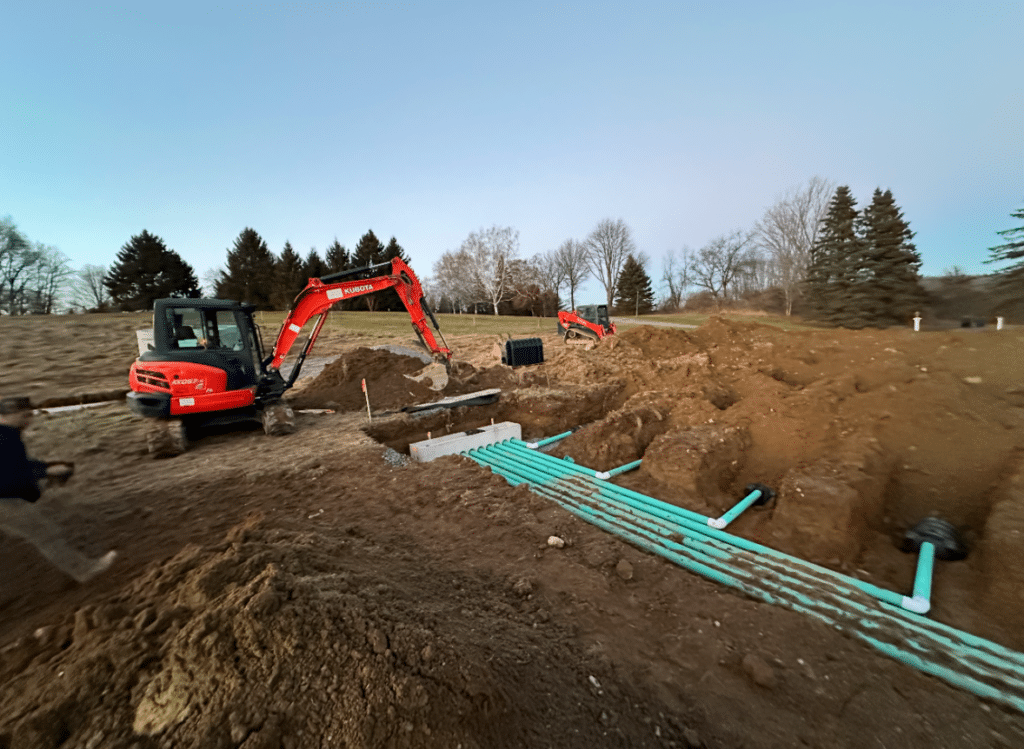
Many properties in regions like Pike County encounter shallow bedrock or high water tables. These sites require engineered mound systems, which are often called turkey mounds locally. A mound system is an elevated absorption field built from specific sand, gravel, and topsoil layers.
Mound systems are complex engineering projects. They rely heavily on flawless excavation and precise pressure dosing. If your property features a mound system, you must disclose its exact layout and service history.
Grinder Pump Systems
Some homes sit below the elevation of the main septic tank or public sewer line. These properties use a grinder pump system. A grinder pump uses sharp blades to macerate solid waste into a slurry. It then pumps this liquid under high pressure uphill to its destination.
Grinder pump alarms require immediate attention. When filling out your property disclosure statement, you must declare any history of grinder pump failures, electrical issues, or component replacements.
Preparing Your System for a Successful Sale
You can take specific steps to prepare your system for the market. These actions build buyer confidence and protect you from post-sale liability.
First, locate all your service records. Gather receipts for routine pumping, component repairs, and official permits. A clear paper trail shows buyers that you maintained the system responsibly.
Second, schedule a routine maintenance visit. Have a specialist inspect the baffles, test the pump alarms, and clear any minor line obstructions. If your system is due for a pump-out, take care of it before listing the home.
Third, clean up the area around your septic components. Ensure access lids are clear of heavy debris, overgrown brush, or temporary structures. Easy access allows inspectors to do their jobs efficiently without damaging your landscaping.
Working with Local Septic Specialist Experts
Handling septic compliance requires specialized technical expertise. General contractors often lack the specific tools and diagnostic training needed for subsurface systems. Partnering with a dedicated septic company ensures accuracy and peace of mind.
For homeowners in Lackawaxen, Pennsylvania, and the surrounding Pike County region, Triple J Services provides expert assistance. As a locally owned, family-oriented business, they specialize exclusively in subsurface installation, maintenance, and emergency repair.
The owner, John Dreizler, built the company on a foundation of hard work, grit, and local accountability. They understand the specific soil conditions, environmental regulations, and municipal demands of the region.
Triple J Services handles everything from pre-listing septic system inspections to complex leach field installations. Their team excels at diagnosing grinder pump issues and managing engineered mound systems. If your home sale uncovers a serious defect, their excavation-led installation services resolve the problem correctly the first time. They keep your transaction moving forward legally and safely.
Key Article Highlights
-
Mandatory Transparency: Pennsylvania law requires sellers to disclose all known material defects on the standard property disclosure statement.
-
Septic Specifics: Sellers must share the septic system type, location, service history, and any known operational failures or leaks.
-
Material Defects: Sluggish drains, surface pooling, and active grinder pump alarms are critical defects that must be reported.
-
Legal Liability: Concealing septic issues exposes sellers to costly lawsuits, fraud claims, and potential replacement liabilities after the sale.
-
Pre-Listing Inspections: Hiring a specialist to evaluate your system before listing eliminates surprises and keeps you in control of negotiations.
-
Local Regulations: Home sales must comply with the Pennsylvania Sewage Facilities Act and specific municipal transfer ordinances.
-
Expert Support: Specialized teams like Triple J Services provide the technical inspections and compliant repairs required for a smooth Pennsylvania home sale.
Secure Your Home Sale with Expert Septic Support
Do not let undisclosed septic issues disrupt your Pennsylvania real estate transaction. Protect your investment and secure peace of mind by scheduling a professional system evaluation today. Contact the local specialists at Triple J Services to arrange a comprehensive inspection or to learn more about their expert maintenance programs. You can explore their full range of technical capabilities by visiting the Triple J Services About Page and reviewing their tailored offerings on the Triple J Services Page.