Imagine walking down the stairs into your basement and discovering a pool of dark, foul-smelling water covering the floor. A sewage backup is a homeowner’s absolute worst nightmare. It is a stressful, disruptive, and deeply unpleasant situation.
When your drains stop working and wastewater flows backward into your house, your home faces an immediate crisis. Too many property owners make the mistake of waiting to see if the water will drain away on its own. They look at the mess and try to put off dealing with it because they worry about the immediate hassle.
Ignoring a backup, even for a few hours, is an incredibly dangerous financial gamble. The real cost of letting wastewater sit in your home expands rapidly over time. It can cause permanent structural destruction, create serious biohazards, and require massive, complex remediation.
1. Immediate Biohazards and Critical Health Risks
Wastewater is not just dirty tap water. In the professional plumbing industry, sewage is classified as blackwater. This means the fluid contains human waste, industrial chemicals, and heavy concentrations of biological pathogens.
Leaving raw sewage exposed inside an enclosed basement turns your home into a hazardous environment. The risk of exposure begins the moment the wastewater enters your living space.
The Pathogens Lurking in Wastewater
Raw sewage carries a dangerous mix of harmful micro-organisms. It contains viruses, bacteria, protozoa, and parasitic worms. These biological agents cause severe illnesses if they are accidentally touched, swallowed, or inhaled.
-
Escherichia coli (E. coli): This bacteria causes severe abdominal cramping, intense dehydration, and dangerous gastro-intestinal distress.
-
Salmonella: Exposure results in acute food poisoning symptoms, fever, and systemic physical fatigue.
-
Hepatitis A: A highly contagious viral infection that attacks liver function and requires extensive medical care.
The Hidden Danger of Airborne Contaminants
You do not have to touch the standing puddle to become sick. As sewage sits inside your basement, it releases airborne gases and microscopic biological particles. The humid environment causes pathogens to hitch a ride on tiny water droplets in the air.
Your home’s heating and cooling system can pull these contaminated vapors out of the basement and circulate them through your upstairs bedrooms. Breathing these fumes causes respiratory inflammation, triggers severe asthma attacks, and endangers children, elderly family members, and pets.
2. Fast-Moving Structural Destruction and Property Loss
Water damages building materials quickly, but sewage destroys them completely. Most basements contain a mix of concrete, wood framing, drywall, insulation, and stored personal belongings. When these materials soak in raw sewage, they absorb the liquid like a sponge.
Drywall and insulation lose their structural strength the moment they come into contact with blackwater. They cannot simply be dried out with a fan. Because they are highly porous, they absorb the organic waste particles along with the moisture, meaning they must be cut out and discarded to protect your home.
The Weakening of Your Wooden Framing
Your house relies on thick wooden studs and sill plates to support its weight. When these wooden elements sit in wastewater, the fibers expand, soften, and begin to rot.
Over time, this structural rot weakens the skeletal frame of your home. It can cause your upstairs floors to sag, warp your door frames, and compromise the overall stability of your foundation.
Foundation Degradation and Concrete Staining
Concrete feels solid, but it is actually full of microscopic pores. When sewage pools on a basement slab, the contaminated water seeps deep into the concrete floor.
This introduces moisture and organic bacteria deep inside your foundation. It leads to deep chemical staining, crumbling mortar joints, and a foul, permanent odor that cannot be masked by retail air fresheners.
3. The Explosive Growth of Toxic Black Mold
Mold spores exist naturally in the air, but they require moisture and an organic food source to grow. Raw sewage provides the ultimate breeding ground for these organisms. Wastewater is packed with organic matter, and an enclosed basement offers the perfect dark, stagnant environment mold thrives in.
Once mold spores land on a damp surface, they germinate with terrifying speed. Under typical indoor conditions, toxic mold colonies can establish themselves and begin spreading across your walls in less than forty-eight hours.
The Spread of Stachybotrys Chartarum
Commonly known as toxic black mold, this specific strain loves to feed on wet drywall, wood panels, and ceiling tiles. As the colony grows, it releases microscopic microscopic toxins into the air.
Prolonged exposure to black mold can cause chronic headaches, severe skin rashes, cognitive fatigue, and long-term immune system complications. For comprehensive, evidence-based data regarding how indoor dampness and biological mold affect human health, you can review the medical assessments published by the World Health Organization.
The Exponential Rise of Remediation Costs
Removing a small patch of surface mold is a relatively simple task. However, once mold gets inside your wall cavities and spreads across your floor joists, the cleanup process becomes incredibly expensive.
Professional mold remediation requires heavy containment barriers, specialized air scrubbers, and industrial-grade antimicrobials. Addressing a mold problem after it spreads can easily double or triple your total restoration bill.
4. Mechanical Ruin and Electrical Hazards
Modern basements often house the core mechanical systems that keep your home functional. This includes your electrical panels, main wiring lines, furnaces, water heaters, and specialized water pumps.
Water and electricity are a deadly combination. A deep sewage backup can instantly submerge these expensive appliances, creating immediate fire hazards and risking catastrophic electrical shocks.
The Immediate Failure of Submerged Mechanicals
If wastewater rises high enough to touch your furnace burners or the electrical components of your water heater, those appliances are ruined. The corrosive chemicals and organic sludge in the sewage destroy delicate electronic circuit boards, rust out metal heat exchangers, and foul safety valves. Replacing a central heating system and hot water tank costs thousands of dollars in unexpected capital expenses.
The Critical Need for Pump Maintenance
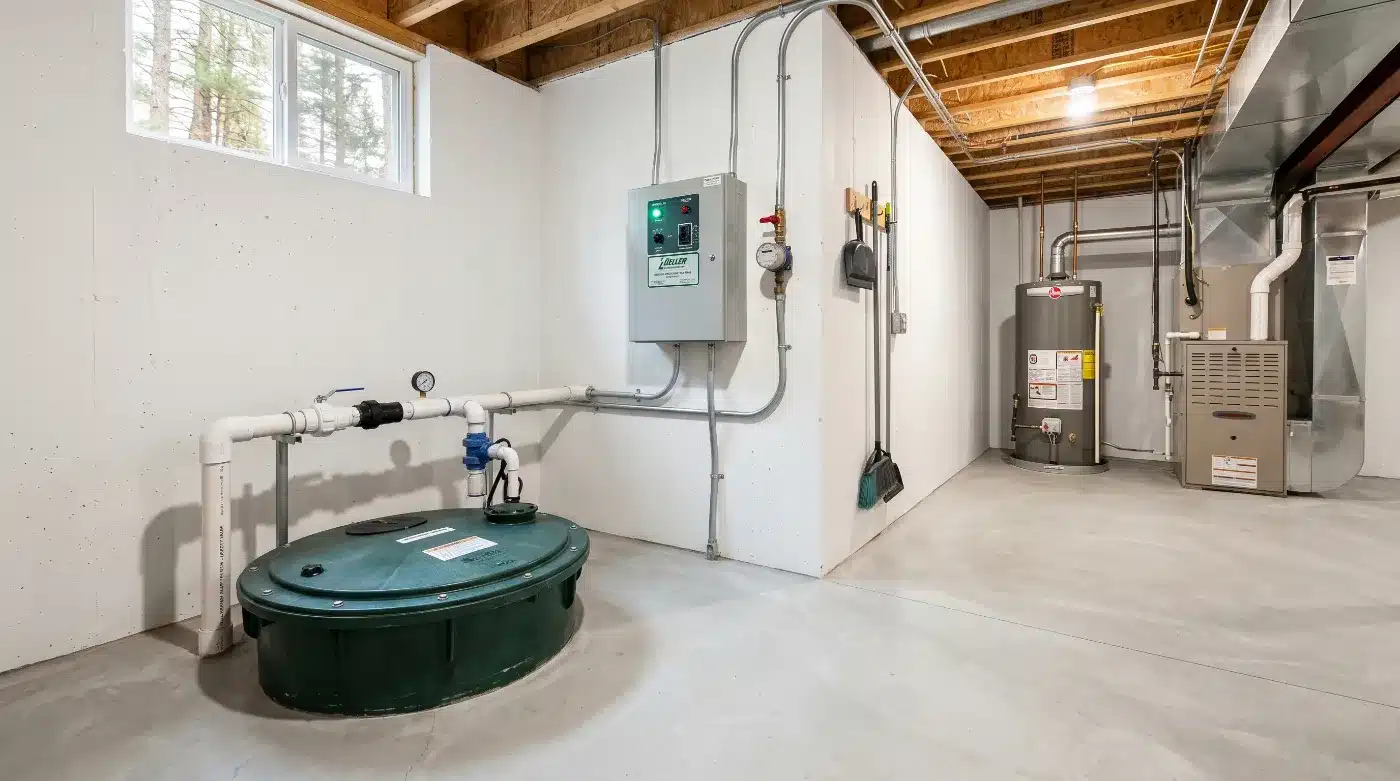
Many homes in Pennsylvania rely on mechanical pumps to manage wastewater and keep their basements dry. If your property is built on a slope or connects to a deep sewer line, you likely have a grinder pump or an effluent pump system hidden in a basement basin.
-
Grinder Pumps: These tools grind up solid waste from your drains and push the slurry uphill to the main sewer line or septic tank.
-
Effluent Pumps: These systems pump clear wastewater out of your septic tank dosing chamber onto your drainage field.
When these pumps fail due to electrical shorts or mechanical blockages, the backup accelerates rapidly. Regular professional care and timely effluent pump service & replacement keep your mechanical safety lines working when you need them most.
5. Tracing the Root Cause: Septic and Drainage Failures
A sewage backup is a clear symptom of a deep structural blockage or a mechanical failure somewhere inside your waste management chain. To stop the water from returning, you must look beyond the basement floor and diagnose exactly what is happening inside your underground pipes.
For properties utilizing a private waste system, backups are often caused by a neglected septic tank or a failing drainage area. When solid sludge fills your tank, it blocks the outbound pipe, forcing raw sewage back through your main line into your lowest drains.
The Structural Collapse of Leach Fields
Your leach field, sometimes called a turkey mound, is responsible for safely filtering wastewater back into the earth. Over time, tree root intrusion, soil compaction, or excessive grease can clog the underground pipes.
When a leach field fails, wastewater has nowhere to go. It backs up into the septic tank and eventually pushes its way back into your home. Fixing this requires professional leach field repair & installation to restore natural soil drainage patterns.
Managing Severe Clogs with Hydro-Jetting
In many cases, a backup is caused by a massive accumulation of hardened grease, scale buildup, or thick tree roots inside your main sewer line. Traditional pipe snaking tools only punch a temporary hole through these dense clogs.
To completely clear the pipe and restore full flow capacity, you need advanced cleaning methods. Utilizing professional high-pressure drain jetting (hydro-jetting) blasts away pipe blockages using focused streams of highly pressurized water, scouring the inner pipe walls completely clean.
6. Denied Insurance Claims and Long-Term Real Estate Loss
Many homeowners assume that their standard property insurance policy will cover the entire cost of a sewage cleanup. This is an incredibly common and costly misunderstanding. In reality, standard policies often exclude damage caused by water backups unless you have purchased a specific, optional insurance rider.
The Operational Penalty of Neglect
Even if you have a special sewer backup rider, insurance companies expect you to act quickly to minimize the damage. Adjusters look at the timeline of the incident very closely.
If their investigation shows that you let raw sewage sit in your basement for days without calling a licensed professional, they can deny your claim due to owner negligence. You are left paying for the entire cleanup, structural repair, and appliance replacement completely out of pocket.
Devaluing Your Property’s Long-Term Equity
When you sell a home in Pennsylvania, you must fill out a comprehensive property disclosure statement. You are legally required to report any history of water penetration, sewage backups, or major mold remediation.
A history of unmanaged backups scares away potential buyers and lowers your property value. Investing in professional septic system inspections protects your real estate investment and proves your infrastructure is structurally sound.
Practical Preventative Actions to Protect Your PA Home
The best way to manage a sewage crisis is to prevent it from ever happening. You can significantly reduce your risk of a backup by taking a few proactive steps:
-
Be Careful with Your Drains: Never pour cooking grease, flush wet wipes, or discard chemical cleaners down your household drains.
-
Install a Backflow Valve: This mechanical device allows wastewater to flow out of your home but closes automatically if sewage tries to flow backward into your system.
-
Manage Yard Runoff: Clear your gutters and install dedicated French drains & drainage solutions to keep heavy rainwater away from your foundation wall.
-
Schedule Routine Maintenance: Have a licensed technician pump your septic tank and inspect your main sewer lines every three to five years.
If you suspect your system is moving slowly, do not wait for a complete backup to occur. Taking care of small drainage issues early protects your wallet and keeps your home safe.
To gain a deeper understanding of the environmental and public health rules that govern wastewater management across the state, you can review the technical guidelines provided by the Pennsylvania Department of Environmental Protection.
Choosing the Right Partner for Complex Excavation Work
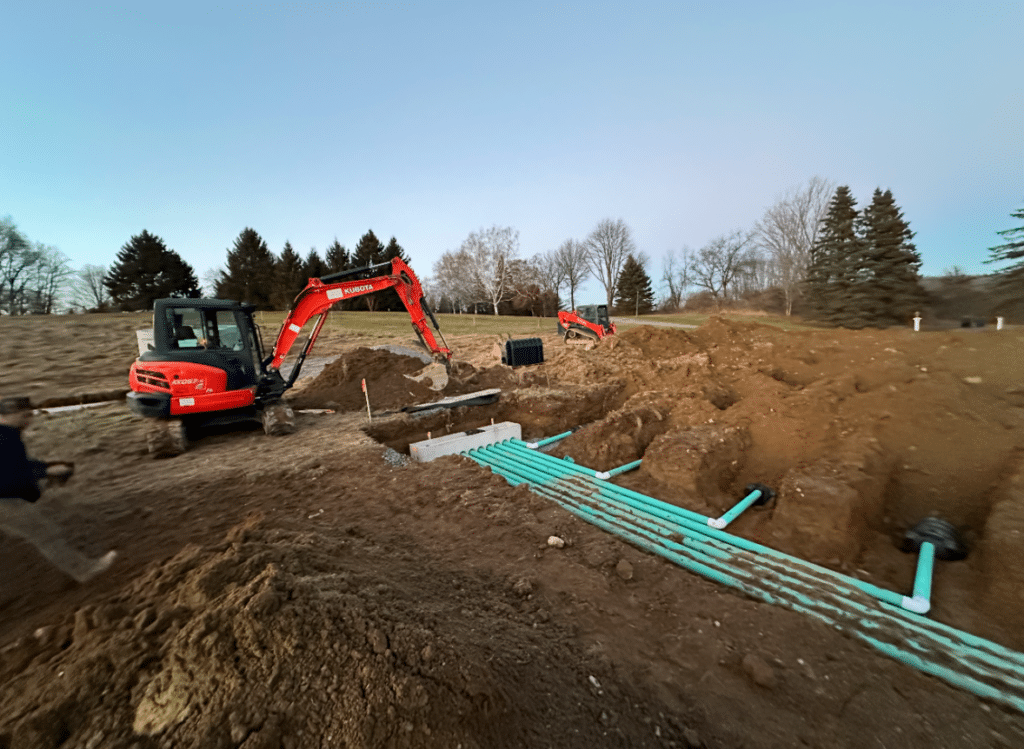
Fixing a failing septic line or replacing an underground tank requires major earth-moving equipment. It is not a DIY job or a task for an inexperienced handyman. You need a team that understands local soil conditions, utility line layouts, and local zoning codes.
Professional technicians utilize specialized excavation & utility trenching practices to carefully uncover your broken pipes without damaging surrounding utilities. This precise approach ensures your new lines are installed at the correct slope for long-term reliability. To learn more about our roots, team safety values, and dedication to PA communities, check out our about us page.
For detailed technical specifications regarding residential septic design parameters and environmental safety codes, you can explore the official materials published by the National Environmental Health Association.
Article Recap
-
Immediate Health Threats: Raw sewage is packed with dangerous pathogens like E. coli and Salmonella that cause severe illness.
-
Rapid Structural Damage: Wastewater rots wooden framing, ruins drywall, and seeps into porous concrete foundation slabs.
-
Toxic Mold Growth: Stagnant blackwater creates a perfect breeding ground for toxic black mold within forty-eight hours.
-
Mechanical Failure: Deep backups submerge and destroy expensive household systems like furnaces, water heaters, and grinder pumps.
-
Insurance Denial: Delaying professional remediation gives insurance adjusters a clear reason to deny your cleanup claim.
-
Proactive Prevention: Regular inspections, septic pumping, and hydro-jetting eliminate blockages before they cause an emergency.
Secure Your Home with Triple J Services Today
Do not let a hidden pipe blockage turn into a catastrophic basement backup. At Triple J Services, we provide the premier, high-velocity septic and drainage solutions you need to protect your Lackawaxen property. From advanced hydro-jetting and emergency pumping to custom leach field installations and precise utility excavation, our experienced team handles your infrastructure with absolute care. Ready to secure your home’s waste management system? Head over to the official Triple J Services hub today to claim your professional consultation and keep your system running clear!