
Why Pennsylvania Townships Enforce the 3-Year Septic Inspection Requirement
If you own a home with an on-lot sewage disposal system in Pennsylvania, receiving a letter from your local municipality mandating a septic pumping and inspection report can feel like an unwelcome surprise. Under Pennsylvania’s Sewage Facilities Act (commonly known as Act 537), many townships across the Commonwealth—including municipalities throughout Pike County—have established formal On-Lot Sewage Management Programs (OLDS). These local ordinances require property owners to have their septic tanks inspected and pumped out at least once every three years.
This mandate isn’t a revenue trap or arbitrary bureaucracy. It is a targeted public health initiative designed to protect private drinking wells, safeguard local rivers and streams, and prevent catastrophic wastewater failures before raw sewage backs up into your bathtub. When a septic tank goes unserviced, solid waste builds up inside the chamber until it overflows into the drain field. Once sludge enters the absorption area, it clogs soil pores, destroys the biological treatment zone, and causes complete hydraulic failure.
A standard routine pumping and professional inspection costs a small fraction of what you would pay for a full drain field replacement. By requiring property owners to verify system health every 36 months, local townships ensure that small maintenance issues are caught before they turn into multi-thousand-dollar excavation projects. For homeowners in Lackawaxen, Milford, and Dingmans Ferry, staying compliant means partnering with experienced technicians who understand local soil profiles, municipal reporting requirements, and modern pumping technology. The team of septic and pump specialists at Triple J Services works directly with property owners across the region to perform thorough inspections, keep systems running clean, and file the necessary documentation with local Sewage Enforcement Officers (SEOs).
Understanding Pennsylvania Act 537 and Municipal Sewage Ordinances
To understand why the three-year timeline exists, you have to look at how wastewater planning works in Pennsylvania. Passed in 1966 and regularly updated, Act 537 requires every municipality in the state to develop, implement, and maintain an official sewage management plan. In rural and suburban areas lacking centralized municipal sewer lines, on-lot systems are the only way to treat residential wastewater. For decades, local governments left septic maintenance up to individual homeowners. Predictably, many tanks were ignored until sewage surfaced in yards or backed up into basements.
To curb groundwater contamination and regional water pollution, the Pennsylvania Department of Environmental Protection (PA DEP) began requiring municipalities to update their sewage plans with mandatory maintenance schedules. You can review official state guidelines on wastewater management through the PA Department of Environmental Protection Act 537 Overview.
Townships typically divide their jurisdiction into three geographic management districts. Each year, one-third of the property owners receive an official notice indicating that their system is due for inspection and pumping. Once the service is finished, your licensed pumper or Sewage Enforcement Officer completes an official hauler report. This paperwork documents tank capacity, sludge depth, baffle structural integrity, and overall mechanical condition. Copies are sent directly to the township administration to satisfy your legal obligation.
Failing to comply with your township’s OLDS ordinance can lead to administrative fines, municipal liens, or mandatory repair orders. Knowing your township’s specific cycle keeps your property in good standing and prevents emergency enforcement actions.
What Actually Happens During a 3-Year Septic Inspection?
A legitimate septic inspection involves much more than simply pulling up a truck, dropping a hose in the tank, and sucking out liquid waste. A thorough 3-year municipal inspection is a detailed diagnostic assessment of your entire treatment setup. When a technician arrives at your property, they perform a step-by-step evaluation designed to check both mechanical functionality and structural soundness.
The Inspection Procedure
-
Locating and Uncovering the Tank Access Lids: The inspection begins by exposing the main access covers on your septic tank. If your lids are buried beneath several feet of soil, technicians carefully dig down to expose the access ports. Installing permanent risers during this visit makes future access fast and simple.
-
Measuring Sludge and Scum Accumulation: Inside your septic tank, wastewater naturally separates into three distinct layers: heavy solids settle to the bottom as sludge, fats and grease float to the top as scum, and clarified liquid rests in the middle. The technician uses specialized measuring tools, such as a Sludge Judge, to check the thickness of the top and bottom layers. If combined solids occupy more than one-third of the tank’s liquid depth, pumping is required immediately.
-
Inspecting Baffles and Structural Integrity: Sanitary baffles at the inlet and outlet ports keep floating scum and heavy sludge inside the tank where they belong. The inspector checks these concrete or PVC components to ensure they haven’t corroded, cracked, or fallen off. Missing outlet baffles allow solid waste to stream directly into your leach field, causing immediate clogging.
-
Checking Mechanical and Electrical Components: For homes with elevated sand mounds, steep slopes, or pressure-dosed systems, electrical components play a critical role in wastewater distribution. The technician inspects control boxes, float switches, and pumps to verify proper operation. If your alarm sounds or your pump fails, prompt 24/7 grinder pump repair and alarm troubleshooting or professional effluent pump service and maintenance will prevent system burnouts and immediate building backups.
-
Evaluating the Drain Field and Absorption Area: Finally, the inspector examines the ground above your absorption area. They look for signs of hydraulic distress, such as surface ponding, squishy turf, lush green grass patches, or strong sewage odors. They also confirm that no heavy vehicles, structures, or invasive tree roots are compromising the underground piping.
The Biological Science Behind the 3-Year Pumping Interval
Many homeowners ask why three years is the standard magic number for septic maintenance. The answer comes down to biological digestion capacity and solids accumulation rates.
Your septic tank is an active biological reactor. Beneficial anaerobic bacteria live inside the tank, breaking down organic matter, toilet paper, and household waste. However, these bacteria cannot digest everything. Inorganic materials, synthetic fibers, heavy grease, and dense sludge remain behind indefinitely.
According to data compiled by environmental agencies, an average family of four generates hundreds of gallons of wastewater every single day. Over 36 months, an average household accumulates enough undigested solids to significantly reduce the clear settling space inside a standard 1,000-gallon or 1,500-gallon tank.
When solids build up too high, the residence time of incoming wastewater drops dramatically. Liquid rushes through the tank too fast for heavy solids to settle or light fats to float. As a result, suspended solids flow straight out of the tank and into your leach field or sand mound.
Once in the drain field, these tiny suspended solids clog the soil pores and form an impenetrable biological mat known as a biomat layer. Soil loses its ability to absorb water, effluent backs up into the tank, and wastewater surfaces in your yard. Pumping every three years resets the system. It removes accumulated sludge before it reaches the critical threshold where solids breach the outlet pipe. To learn more about proper waste management practices, explore the comprehensive resources available in the EPA Homeowner Guide to Septic Systems.
Unique Challenges for Pike County Septic Systems
Septic systems in Northeastern Pennsylvania face harsh environmental conditions that make regular 3-year inspections vital for long-term reliability. Pike County features diverse terrain, ranging from rocky glacial till and heavy clay soils to high groundwater tables near lakes and rivers.
These geological factors mean that traditional gravity-fed septic systems cannot be installed on every lot. Instead, many properties in Lackawaxen, Milford, and Dingmans Ferry rely on engineered wastewater systems tailored to challenging soil profiles.
Common Pike County Septic System Configurations
-
Conventional Gravity Systems: Settling tanks rely on natural gravity to move clarified effluent out to underground gravel trench lines. These configurations are generally limited to areas with deep, well-draining soils.
-
Elevated Sand Mounds: Above-ground treatment beds specifically engineered for locations with shallow bedrock or high groundwater tables. These systems utilize specialized effluent pumps to dose wastewater evenly across engineered sand beds for safe filtration.
-
Pressure-Dosed and Grinder Pump Systems: Mechanical pumps lift and push wastewater uphill or across steep, rocky terrain toward a treatment area. These setups require active electrical monitoring, float testing, and regular mechanical maintenance to prevent unexpected failures.
Elevated sand mounds and pressure-dosed leach fields are delicate biological filters. If sludge or grease reaches the distribution manifold of a sand mound, fixing the damage often requires replacing the entire sand bed—a massive excavation process that can cost upwards of $20,000.
Additionally, freezing Pocono winters put extra strain on shallow pipes, pump chambers, and outdoor electrical boxes. A routine inspection catches worn float switches, failing check valves, and tank cracks before winter frost creates an emergency situation.
At Triple J Services, our deep roots in excavation and environmental management give us specialized insight into local soil conditions. You can read more about our background and decades of hands-on excavation experience to see how our field knowledge translates into long-term protection for your home.
The True Cost: Preventative Maintenance vs. System Replacement
Skipping your mandatory 3-year septic pumping might seem like a way to save a few dollars in the short term, but it is one of the riskiest financial bets a homeowner can make.
The monetary contrast between routine maintenance and emergency reconstruction highlights the value of ongoing care:
-
Routine 3-Year Inspection and Pumping: Costs a few hundred dollars every three years. This small investment keeps you fully compliant with local township ordinances, extends the lifespan of your drain field indefinitely, and provides peace of mind.
-
Minor Pump or Component Repairs: Replacing a worn effluent pump, installing a new float switch, or repairing a broken inlet baffle typically ranges from a few hundred to a couple thousand dollars, restoring system function without replacing underground absorption beds.
-
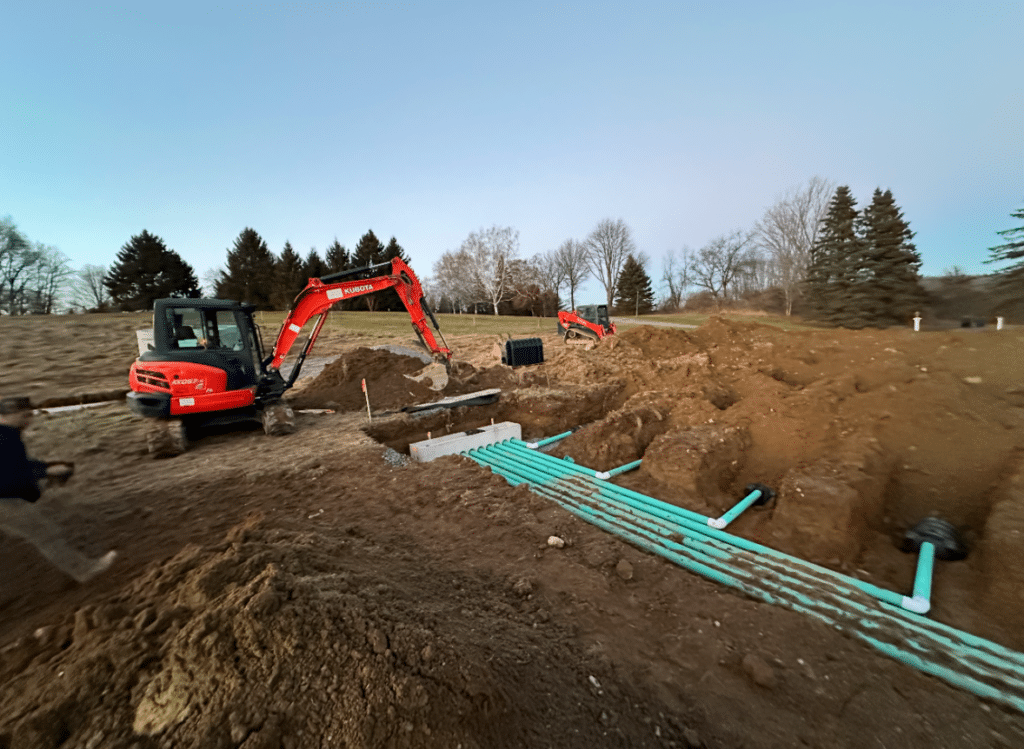
Complete System Replacement: If your drain field fails due to severe sludge clogging, you face a major construction project. Installing a new engineered mound system or leach field requires soil testing, engineering design permits, heavy excavation equipment, and complete landscape reconstruction. Costs routinely run between $10,000 and $30,000.
Beyond direct financial expenses, an untreated septic failure can severely impact property value. When selling a home in Pennsylvania, state disclosure laws require sellers to report known septic defects. A system that has failed municipal inspection or lacks documented maintenance history can halt a real estate sale instantly.
Investing in regular service protects your home equity and avoids the stress of sudden environmental health violations. Check out our comprehensive residential and commercial septic services to see how we protect property owners throughout the region.
Warning Signs That Your System Needs Attention Before the 3-Year Mark
While township ordinances require service every three years, your septic system might signal trouble long before your official notice arrives in the mail. Heavy water usage, visitors, garbage disposal use, or aging equipment can push a system past its limit early.
Watch for these clear warning signs that indicate your system needs immediate professional attention:
-
Slow Drains Throughout the House: If a single sink drains slowly, you likely have a localized pipe clog. However, if your toilets, showers, and kitchen sinks all drain sluggishly at the same time, wastewater is meeting resistance at the septic tank entrance or main sewer line.
-
Gurgling Pipes and Plumbing Noises: Air trapped in plumbing lines often makes a distinct gurgling sound after you flush a toilet, run the washing machine, or drain a bathtub. This sound indicates that sewage is struggling to push past high liquid levels inside the tank.
-
Grinder Pump or Lift Station Alarms: If your property relies on a pump chamber, a high-water alarm box is typically mounted on your house or a nearby post. If the light flashes or the horn sounds, your pump has stopped working or cannot keep up with incoming flow. You need immediate emergency septic pumping services to prevent immediate indoor sewage overflows.
-
Sewage Odors in the Yard or Home: Foul, sulfurous odors near your septic tank, pump chamber, or leach field mean sewer gases are escaping. This occurs when effluent surfaces on top of the soil or tank seals deteriorate.
-
Unusually Green, Lush Grass Over the Leach Field: Grass over your absorption area should look identical to the rest of your lawn. If you spot a strip of dark green, fast-growing grass or standing water, raw effluent is surfacing instead of filtering down through the soil.
How Triple J Services Keeps Your System Compliant and Worry-Free
Navigating local municipal rules while managing home maintenance doesn’t have to be overwhelming. Having a reliable local contractor makes keeping your system clean, legal, and operational simple. Triple J Services provides complete wastewater solutions for homeowners servicing Lackawaxen, Milford, Dingmans Ferry, and all of Pike County. As a locally owned business with decades of hands-on excavation experience, we bring a level of technical depth that standard pumping companies simply cannot match.
The Triple J Services Advantage
-
24/7 Emergency Response: Immediate dispatch for pump alarm failures, high water alerts, and active sewage backups.
-
Heavy Excavation Capabilities: Expert handling of complex installations, mound system repairs, and total leach field replacements.
-
Comprehensive Municipal Compliance: Complete OLDS inspections, diagnostic testing, and direct paperwork filing with your local Sewage Enforcement Officer.
-
Specialized System Expertise: Deep operational knowledge in effluent pumps, grinder pumps, sand mounds, and alternative treatment setups.
Whether you need a routine 3-year maintenance pump, diagnostic troubleshooting for an active pump alarm, or a complete engineered septic system installation and leach field replacement, our team arrives equipped to get the job done right.
We handle every step of the process, from uncovering buried access hatches to submitting completed maintenance forms directly to your township’s Sewage Enforcement Officer. For helpful maintenance advice and local compliance tips, feel free to review our collection of septic maintenance guides and local compliance resources.
KEY TAKEAWAYS RECAP
The Short Version
-
Mandatory Ordinance: Many PA townships enforce Act 537 regulations requiring septic tanks to be inspected and pumped every 3 years.
-
Solids Accumulation: Over 36 months, sludge and scum build up to levels that can breach outlet baffles and permanently ruin your drain field.
-
Pike County Geology: High water tables, steep slopes, and rocky soil mean engineered sand mounds and pump systems require careful, routine care.
-
Massive Cost Savings: A routine inspection costs a few hundred dollars, while replacing a clogged absorption field costs between $10,000 and $30,000.
-
Complete Compliance: Licensed haulers like Triple J Services handle tank pumping, diagnostic checks, and paperwork filing with your township.
Is your township septic inspection due this year, or are you noticing warning signs like slow drains or pump alarms? Don’t wait for raw sewage to back up into your home or risk municipal fines.
Trust Pike County’s local septic and pump specialists to keep your system compliant, clean, and operating smoothly. Contacting our local septic team at Triple J Services today schedules your 3-year inspection, requests emergency service, or gets a straightforward answer to your wastewater questions. Call us directly or visit our website to secure your service appointment now.