Executive Summary
-
Pre-Purchase Risk Mitigation: Visual walkthroughs miss hidden structural cracks, failed absorption fields, and decaying components that can cost tens of thousands of dollars to replace immediately after closing.
-
Comprehensive Multi-Phase Testing: A reliable diagnostic evaluation must include tank pumping, internal camera inspections of the main lines, and a full hydraulic load test of the absorption area.
-
Mechanical Subsystem Evaluation: Properties utilizing up-gradient drainage require active diagnostic testing of electromechanical assets like effluent pumps and grinder pumps.
-
Environmental Drainage Defense: Assessing the surrounding topography prevents buying a property where unmanaged surface water or lack of French drains will prematurely destroy the leach field.
A homebuyer in Pike County fell in love with a beautiful cedar-sided home tucked away in the woods. The home looked pristine, and the seller noted on the disclosure form that the septic tank had been pumped the previous year. Trusting the visual walkthrough, the buyer skipped a dedicated wastewater inspection to save a few hundred dollars. Three weeks after moving in, the family ran back-to-back loads of laundry, and raw sewage began bubbling up into the downstairs shower. The absorption field was completely dead, choked by decades of ignored solids. The cost to replace the system totaled more than $22,000, turning their dream home into an immediate financial emergency.
Wastewater infrastructure is entirely out of sight and out of mind until it fails catastrophically. Standard home inspections do not cover the structural or functional health of an underground septic system. A home inspector might flush the toilets, run the faucets for ten minutes, and check that the basement pipes do not leak. They do not dig up the tank lids, check the integrity of the baffles, or run hydraulic load tests on the absorption area. For anyone purchasing a rural property, a professional, standalone inspection is the only reliable shield against immediate, budget-busting utility failures.
Fast Track Summary
-
Standard home inspections completely overlook subsurface structural damage, hydraulic soil failure, and mechanical component wear.
-
A full diagnostic process requires physical tank exposure, internal camera tracking, and deep soil saturation profiling.
-
Mechanical pump testing identifies hidden electrical or operational faults in specialized grinder and effluent subsystems.
-
Topographical drainage analysis catches external water runoff patterns that threaten to destroy long-term soil absorption capacity.
The Structural Mechanics of a Comprehensive Pre-Purchase Inspection
Section Overview
A pre-purchase septic inspection requires a systematic physical and hydraulic evaluation of the underground wastewater infrastructure. The process includes uncovering the tank lids, examining internal concrete or plastic walls for structural degradation, and analyzing the distribution box. Performing these steps helps buyers identify hidden structural failures, clogged pipelines, and oversaturated leach fields before completing a real estate transaction.
Relying on a seller’s word or a generic property checklist during a real estate transaction is an immense gamble. A true wastewater evaluation requires hands-on diagnostic work and physical access to every part of the underground system.
Uncovering the Tank and Checking Structural Soundness
The inspection process begins by finding and exposing the primary treatment tank lids. If the property lacks modern risers that bring the access ports to the surface, this step means digging through topsoil to reach the concrete, plastic, or fiberglass tank. An inspector must verify that the tank is structurally sound and free from major defects.
Over decades of service, sewer gases like hydrogen sulfide can react with moisture to form sulfuric acid. This acid slowly eats away at the interior concrete walls of older tanks, causing the ceiling and walls to flake, crack, and eventually collapse. Plastic or fiberglass tanks can crack or buckle if the surrounding soil shifts or if heavy vehicles drive over them.
The inspector will also carefully check the condition of the inlet and outlet baffles. These internal components direct the flow of wastewater and prevent floating scum layers from escaping into the absorption field. Missing or damaged baffles allow solid waste to exit the tank, which quickly plugs the distribution lines and ruins the soil’s ability to filter liquid. Evaluating these structural items is a core part of the detailed septic system inspections performed before purchasing a home.
The Importance of Pumping and Internal Camera Inspections
An accurate inspection cannot occur while a septic tank is completely full of liquid and solid waste. A true evaluation requires the inspector to order an immediate tank pump-out. Pumping out the accumulated septage clears the view, allowing the technician to thoroughly examine the bottom and sides of the tank for hidden structural cracks or leaks below the normal waterline.
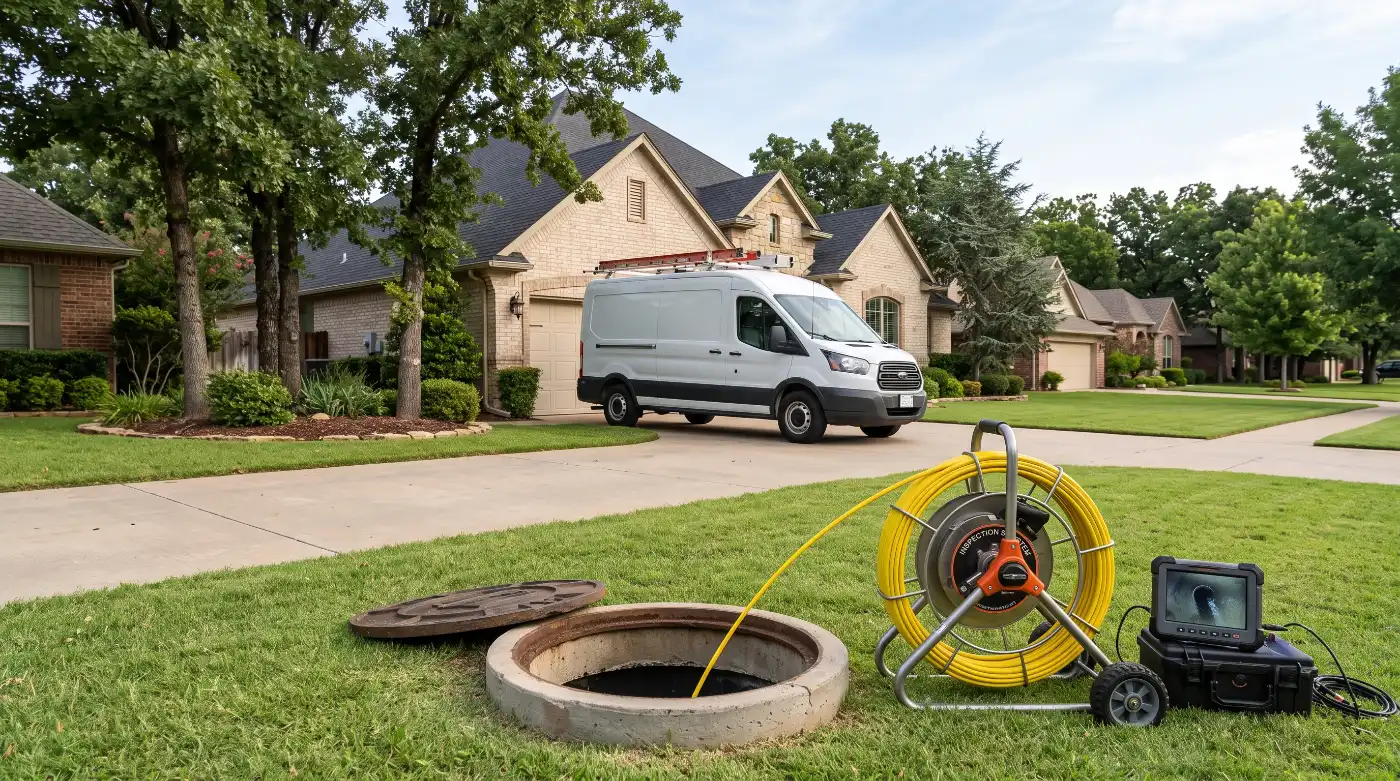
If groundwater streams into an empty tank through a crack, it means the tank is structurally compromised and constantly overloading the system. After clearing the tank, the inspector should run a high-resolution sewer camera down the main sewer lines. The process traces a clear data path starting straight from the home plumbing fixtures.
Once the high-resolution sewer camera is injected into the plumbing system, it actively detects root intrusions and fine hairline fractures throughout the lines. Simultaneously, the lens identifies any sagging low points, commonly known as a belly in the line, and locates disjointed structural pipe couplings. This extensive assessment concludes as the lens moves out of the pipe run and completes its journey at the primary treatment tank entry.
This camera work catches hidden pipe defects before they turn into a major plumbing emergency. The inspector looks for root intrusions from nearby trees, pipe sagging, or broken joints that can block the flow of waste. Identifying these issues early helps buyers understand the home’s true condition and allows them to adjust their purchase negotiations accordingly.
Executing a Multi-Day Hydraulic Load Test
A septic tank can look perfectly intact, but the entire system will still fail if the surrounding soil cannot absorb water. To test this, technicians perform a hydraulic load test. This diagnostic process simulates a family’s heavy water use by introducing several hundred gallons of water into the system over a set period.
The technician monitors the water levels in the treatment tank and the distribution box to see how quickly the system processes the volume. If water levels rise significantly and stay elevated, the absorption field or elevated sand mound is failing to drain. This sluggishness means the soil is already saturated, and adding a family’s daily water usage will likely cause an immediate backup inside the home.
Buyers can reference the Pennsylvania Department of Environmental Protection Septic Guidelines to review regional soil requirements and structural standards across the state. This regulatory context helps buyers understand local soil loading rates and structural requirements before investing in a property.
Identifying Mechanical Vulnerabilities and External Landscape Risks
Section Overview
Evaluating a home’s wastewater system requires inspecting both the primary treatment components and its mechanical systems and surrounding landscape features. Technicians must check electrical control panels, analyze pump motor performance, and review surface water drainage patterns. These detailed steps reveal hidden system vulnerabilities, avoid unexpected post-closing repair costs, and ensure long-term utility reliability.
Properties built on sloped or challenging terrain often rely on specialized electrical components and strategic grading to move and process waste safely. Buyers must confirm these external features work correctly to protect their infrastructure investment.
Auditing Lift Stations, Grinder Pumps, and Effluent Subsystems
When a home sits lower than its absorption field, gravity cannot move the wastewater through the system. These properties use a specialized lift station equipped with an electrical effluent pump or a grinder pump to force wastewater uphill. Because these mechanical components handle harsh materials every day, they have a limited operational lifespan and require careful review during an inspection.
The technician must test the pump’s electrical performance by measuring its amperage draw during a live run cycle. They also check the condition of the float switches that automatically turn the pump on and off as water levels change.
-
Amperage Draw Inefficiencies: High electrical draw readings mean the pump motor is binding internally and approaching complete mechanical failure.
-
Float Switch Corrosion: Rusted or fouled float switches fail to signal the pump, causing either a major system backup or continuous dry running that burns out the motor.
-
Alarm Panel Faults: Broken warning buzzers or dead backup batteries leave homeowners unaware of system malfunctions until a backup occurs.
-
Check Valve Degradation: Worn one-way valves allow pumped wastewater to drain back into the wet well, forcing the pump to run repeatedly and wear out prematurely.
Catching these mechanical flaws early avoids a sudden utility failure right after moving in. Property buyers can learn more about our team’s local technical capabilities on the Triple J Services about page. Our technicians inspect electrical panels, check pump draw metrics, and test alarm systems to ensure every mechanical component functions reliably.
Analyzing Topography, Runoff Patterns, and Drainage Systems
An absorption field does not operate in isolation; it is deeply affected by the surrounding landscape and surface water patterns. During a property walkthrough, look closely at how rainwater moves across the yard. If unmanaged hillside slopes, gutters, driveways, or improper roof downspouts direct stormwater directly onto the septic area, the surrounding ground will quickly become waterlogged. This excessive pooling creates saturated surface soil conditions, which quickly overloads the local soil matrix, leading to complete system flooding and internal backups.
To prevent this landscape flooding, many properties need dedicated drainage systems, like French drains, to catch and divert rainwater around the utilities. When an engineered French drain is introduced to block unmanaged hillside slopes and improper downspouts, the pipeline catches the oncoming storm surge. It safely redirects water away from the utilities, preserving a dry absorption field that filters residential waste cleanly.
The inspector will also check the yard for trees planted too close to the treatment system. Aggressive tree roots can wrap around distribution pipes, blocking the flow of water and cracking concrete tanks. Keep bushes and trees clear of the infrastructure to prevent structural damage and keep your lines flowing smoothly.
Scenario: High-Water Table Drainage Challenges
A buyer wanted to purchase a home near Lackawaxen, Pennsylvania, that sat close to a local stream. The initial home inspection didn’t note any issues, but a specialized wastewater inspection revealed a high water table that sat just a few feet below the surface. This wet environment meant the soil stayed continuously damp, leaving little room to filter wastewater.
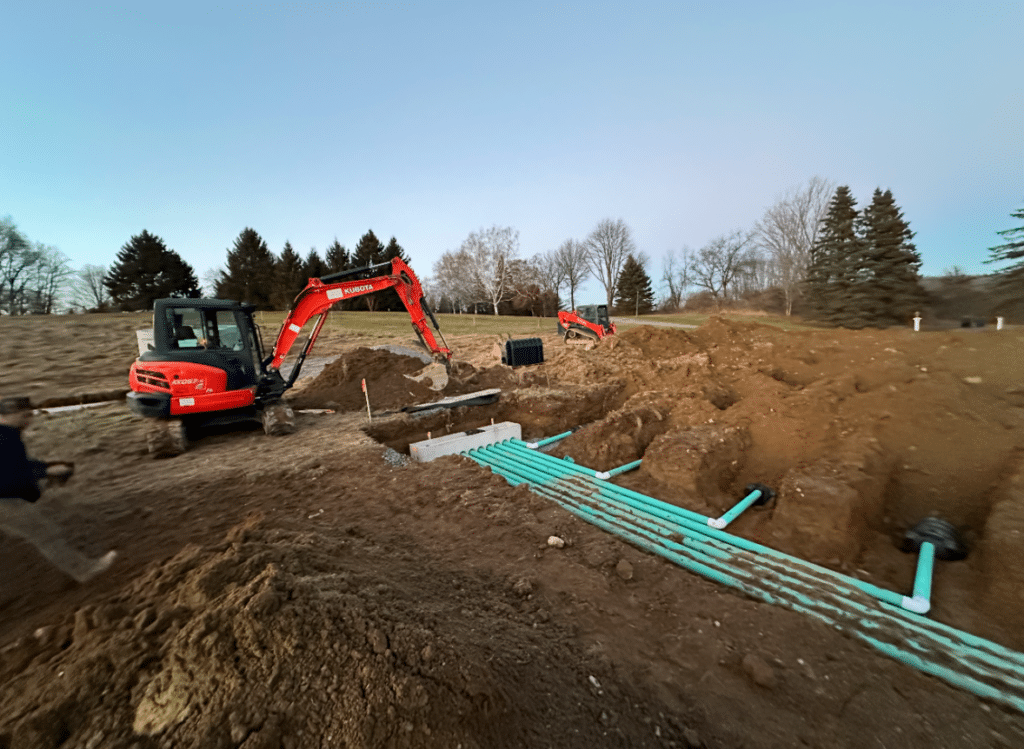
To ensure the property could process waste safely, the engineering crew designed an upgraded system layout. The operational physical installation sequence required precise site work to manage the shallow groundwater profile:
-
Initial Excavation: Equipment operators deploy compact digging machinery to trench out low-point subsurface channels around the yard footprint.
-
Piping Infrastructure: Technicians embed perforated Schedule 40 PVC drainage piping along the base of the open pathways.
-
Aggregate Backfilling: The field crew backfills the open trench space with clean, coarse aggregate stone to establish easy permeability pathways.
-
Topsoil Restoration: Laborers finish the site by grading topsoil layers to permanent external runoff angles that naturally shed storm surges.
This targeted drainage layout lowered the local water table around the treatment system, ensuring the home could handle daily water use safely and efficiently for years to come.
Buyers must also watch for unpermitted modifications or illegal plumbing additions, like greywater bypass lines that send washing machine water directly into backyard woods. These makeshift fixes often hide a failing leach field and violate local environmental laws. Working with an experienced service provider for professional septic installation and replacement planning helps you identify these liabilities before they become your financial responsibility. Taking a proactive approach to your utilities protects your investment and ensures your new home stays safe and comfortable.
External References
-
Pennsylvania Department of Environmental Protection Septic Guidelines
-
National Environmental Health Association Wastewater Resources
Key Takeaways: Septic Inspections
-
Look Beyond Visual Checks: Standard home inspections miss underground structural cracks and saturated soil conditions that require professional diagnostic tools to find.
-
Examine Internal Components: Always pump the tank during an inspection to check the concrete walls and inlet and outlet baffles for hidden damage.
-
Verify Mechanical Pumps: Test the electrical draw and float switches on effluent and grinder pumps to avoid unexpected mechanical failures.
-
Check Surface Drainage: Confirm that gutters, driveways, and landscape slopes direct rainwater away from the absorption area to prevent soil waterlogging.
-
Watch for Illegal Edits: Look for unpermitted greywater lines or backyard bypasses, which are often used to hide a failing leach field.
Buying a home or looking to evaluate a property’s utility infrastructure? Contact our local team at Triple J Services for specialized inspections, detailed diagnostics, and expert repair services in Lackawaxen, PA. Call us today at (845) 750-5222 to schedule your pre-purchase septic inspection before signing your final paperwork.