Executive Summary / Quick-Read Block
-
Hydraulic Shock Mitigation: Pocono commercial hospitality systems must be engineered to survive massive weekend flow surges without flooding treatment tanks or blinding absorption fields.
-
FOG Control Protocols: Commercial kitchens require aggressive grease trap enforcement coupled with scheduled high-pressure hydro-jetting to neutralize pipe-constricting solids.
-
Duplex Mechanical Redundancy: Heavy-duty lift stations must utilize dual-alternating grinder and effluent pump configurations to maintain continuous up-gradient transport.
-
Subsurface Drainage Defense: Intercepting surface stormwater runoff with engineered French drains protects expansive resort leach fields from hydraulic failure.
A premier luxury resort in the Pocono Mountains experienced a catastrophic main-line failure at 7:00 PM on a sold-out holiday weekend. The primary lift station alarm sounded as raw sewage began backing up into the ground-floor commercial kitchens. A massive accumulation of hardened fats, oils, and grease had combined with non-flushable wipes to completely jam the dual grinder pumps. For hospitality operations, an unmaintained wastewater system is an invisible liability that can halt operations instantly. Managing commercial infrastructure requires a proactive engineering strategy designed to survive extreme volume shifts without dropping service levels.
Fast Track Summary
-
Hydraulic surge balancing uses large equalization tanks to control high wastewater volumes during peak weekend tourist rushes.
-
Preventative line maintenance relies on scheduled high-pressure hydro-jetting to clear grease deposits before they block commercial pipes.
-
Mechanical pump monitoring prevents lift station failures through regular electrical testing and dual-alternating pump configurations.
-
Surface water diversion protects large resort absorption fields from saturation using strategic French drain installations.
Scaled Hydraulic Management and High-Volume Effluent Treatment Architecture
Section Overview
Commercial septic maintenance for Pocono resorts and hotels requires structured hydraulic management to protect large-scale wastewater infrastructure. This operational approach manages extreme seasonal volume shifts through automated flow equalization, grease trap maintenance, and high-pressure line jetting. Implementing these defensive practices allows hospitality facilities to process heavy wastewater loads safely, comply with local environmental regulations, and avoid system backups during peak occupancy.
Managing hospitality wastewater infrastructure requires balancing high daily usage with long periods of low occupancy. Systems must be engineered to handle sudden, massive influxes of water without failing.
Managing Surge Volumes and Hydraulic Shock During Peak Tourist Seasons
Residential systems enjoy predictable daily usage patterns, but resort wastewater systems experience severe hydraulic shock every weekend. Hundreds of guests checking in simultaneously creates a massive spike in water use from showers, laundry, and commercial kitchens. This sudden influx can push solids out of the primary treatment tank and directly into the secondary treatment zones.
When wastewater rushes through a commercial system too quickly, it disrupts the natural separation of solids and liquids. Fine particulates that should settle to the bottom of the tank remain suspended and flow into the absorption area. Over time, these solids clog the soil pores in your leach field, leading to system failure.
Resorts can prevent this by using automated flow equalization tanks to collect wastewater during peak hours and pump it into the treatment system at a steady rate. This controlled processing rate protects the system’s biological components. Regular service tracking, like scheduling emergency septic pumping and tank cleanouts, ensures the primary chambers maintain enough open volume to manage these volume spikes.
Grease Trap Interception and High-Pressure Hydro-Jetting Protocols
Commercial kitchens in hotels and event venues discharge large volumes of fats, oils, and grease (FOG). While grease traps capture most of these materials, some grease inevitably escapes into the main drainage lines. As this grease cools, it hardens along the pipe walls, catching debris and narrowing the pipe’s interior diameter.
Standard mechanical snakes only punch small holes through grease blockages, leaving a sticky residue that quickly catches more waste. Commercial facilities need to clear these lines using high-pressure drain jetting equipment. This process uses specialized nozzles to blast water through the lines at high pressure, scouring the entire inside of the pipe.
Regular hydro-jetting removes grease scale and restores full flow capacity before a backup can occur. Hospitality managers should reference the EPA Wastewater Technology Fact Sheet on Flow Equalization to understand how to protect commercial piping from volume overloads. Combining regular line cleaning with scheduled cleanings prevents sudden blockages during busy weekends.
Scenario: Peak Season Resort System Strain and Mechanical Optimization
A popular historic hotel near Lackawaxen, Pennsylvania, noticed that its basement utility lines were draining slowly during weekend events. The property featured an expansive on-site wastewater setup that had been expanded over decades to accommodate new guest wings. The slow drainage grew worse during weddings and holidays, threatening to disrupt guest operations.
A diagnostic team evaluated the main line and found that grease from the commercial kitchen had built up along a 200-foot run of underground pipe. This accumulation restricted the flow of wastewater during high-use periods, causing the system to back up.
The maintenance crew used high-pressure hydro-jetting equipment to clear the hardened grease from the entire line, restoring its original flow capacity. They also updated the kitchen’s grease trap maintenance schedule to prevent future grease buildup. This fast, targeted cleanup allowed the resort to handle maximum weekend guest volumes without any plumbing issues or operational interruptions.
Mechanical Subsystem Lifecycle Optimization and Subsurface Risk Mitigation
Section Overview
Optimizing mechanical subsystems in commercial septic environments requires regular testing of pumping assets and protective drainage management. Maintaining these large setups involves using dual-alternating pump panels, checking electrical loads, and installing French drains to manage groundwater. These preventative steps keep commercial systems working reliably, protect absorption fields from failure, and minimize unexpected repair costs.
Large resort systems often rely on mechanical pumps and advanced drainage systems to move and treat wastewater across hilly terrain. Keeping these components in good working order is essential for continuous system performance.
Maintaining Commercial Grinder and Effluent Pump Networks
Properties built on rolling terrain often cannot rely on gravity alone to move wastewater to the absorption field. These facilities use commercial lift stations equipped with heavy-duty grinder pumps or effluent pumps to move waste up to elevated treatment areas. Because these mechanical pumps operate under harsh conditions, they require regular inspection and maintenance.
Commercial lift stations should use a dual-alternating pump configuration managed by an smart control panel. The operational flow moves systematically through several stages:
-
Wastewater Ingestion: Raw, incoming resort wastewater flows directly into the low-point wet well storage chamber.
-
Alternating Discharge Cycle: Submerged grinder or effluent pumps handle the mechanical load on an alternating loop, preventing single-motor burnout.
-
Telemetry Monitoring Control: A dual-pump control panel continuously tracks real-time amperage draws and regulates automated float switch levels.
-
Up-Gradient Delivery: Effluent is forced through high-pressure discharge lines directly into the up-gradient distribution box.
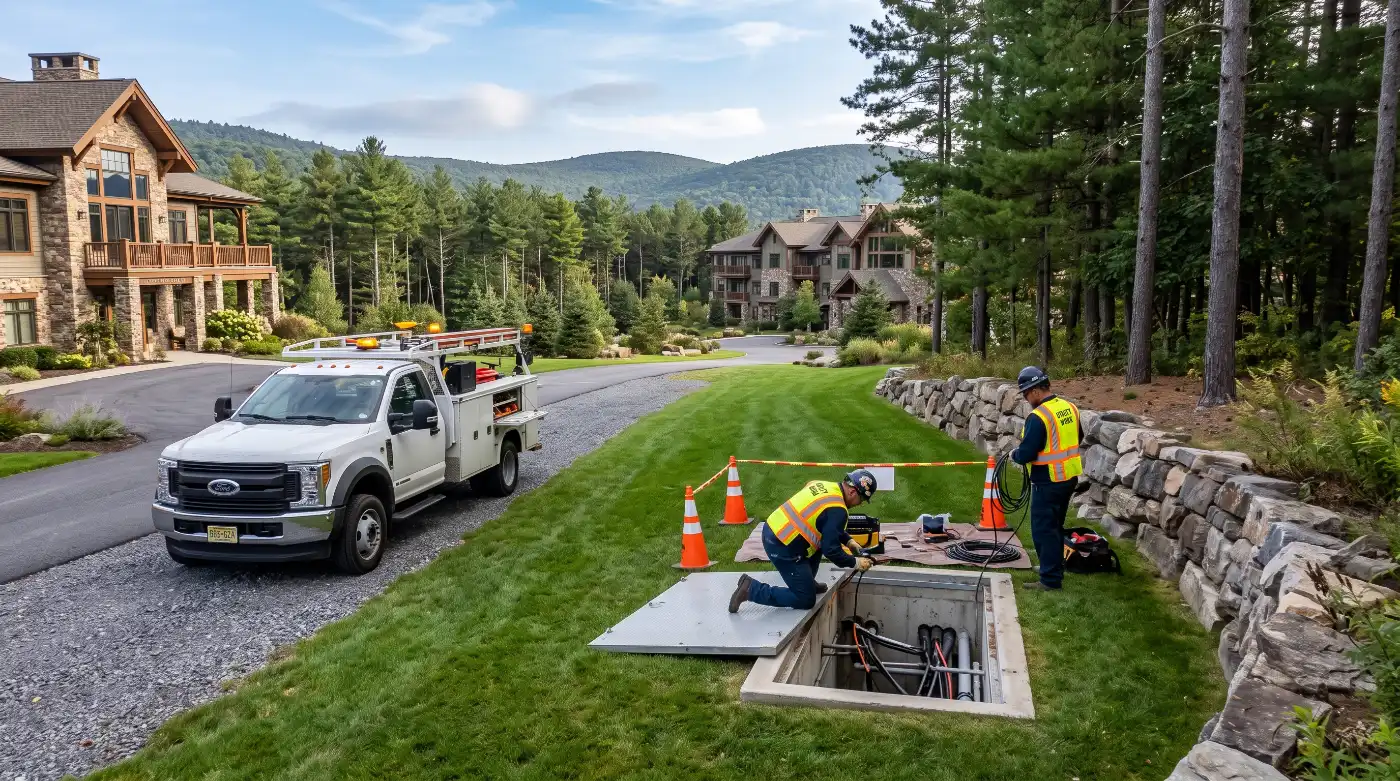
Maintenance technicians must inspect these systems quarterly, measuring motor amperage draws and checking the condition of the float switches. Corroded wiring or failing floats can cause pumps to run continuously, burning out the motors and leading to an expensive system failure. Working with a dedicated team for professional grinder pump repair and replacement keeps these critical lift stations running reliably year-round.
Preventing Leach Field Overload and Advanced Turkey Mound Structural Care
The absorption field, or elevated sand mound system, is the final treatment step for wastewater. In commercial configurations, these areas cover a large footprint and must absorb thousands of gallons of treated water every day. If the surrounding soil becomes saturated with rainwater, the field cannot process the incoming wastewater, causing it to pool on the surface.
In an unmanaged landscape, unmitigated surface runoff from resort roofs, asphalt parking lots, and hillside groundwater fills the soil. This creates saturated surface soil conditions, which quickly overloads the sand mound absorption bed, leading to total hydraulic system failure.
Resorts can protect these large absorption fields by installing engineered French drains and surface swales around the perimeter of the treatment area. When an engineered French drain is introduced, it catches and diverts the stormwater completely around the facilities, leaving a dry sand mound field that filters waste efficiently.
Keeping the surrounding soil dry ensures the leach field can efficiently absorb and treat the incoming wastewater. Resort operators can consult the Penn State Extension Guide on Septic System Mound Sizing to review local soil loading rates and design requirements for northeastern Pennsylvania. This information helps facilities manage local soil conditions and protect their infrastructure investment.
Hospitality managers must also make sure heavy vehicles stay off the absorption area. Heavy trucks can compact the soil or crush underground distribution pipes, leading to uneven wastewater distribution and premature system failure. To prevent this, fence off the absorption area and clearly label it to keep guest parking and maintenance vehicles away.
Scenario: Emergency Lift Station Overhaul and Utility Trenching Execution
A mountaintop resort experienced an electrical short in its main wastewater lift station, disabling the primary effluent pump during a busy corporate convention. The backup pump was unable to manage the high volume on its own, causing water levels in the wet well to rise rapidly. The system needed immediate mechanical help to prevent an environmental backup.
The repair team responded quickly, using vacuum trucks to pump down the wet well and keep the resort functional. Diagnostic tests showed that the primary pump motor had burned out due to a faulty control panel circuit, and the underground power line to the station had shorted out.
The physical cleanup required a detailed list of heavy construction steps:
-
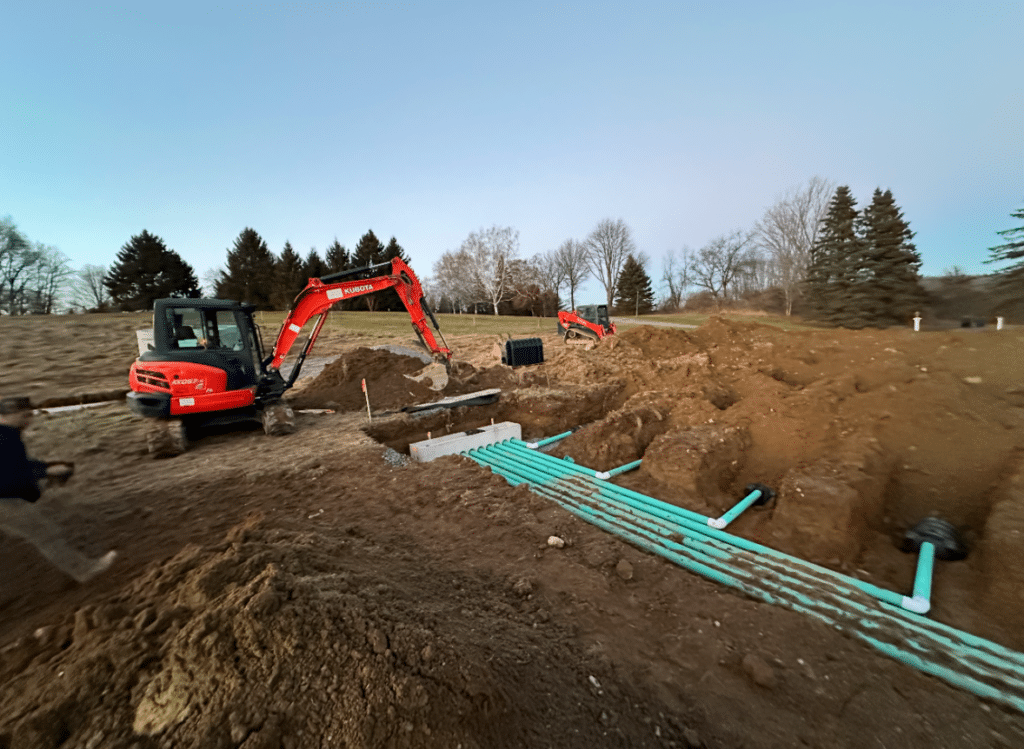
Site Excavation: Operators deploy heavy machinery to dig a clean 40-foot trench down to the lift station infrastructure.
-
Conduit Replacement: Technicians strip out the shorted wiring and install heavy-duty, weather-resistant underground power conduit.
-
Pump Optimization: The crew removes the damaged hardware and places new 5-horsepower alternating pumps inside the wet well.
-
Panel Configuration: Electricians mount a modern smart control monitor panel to track real-time float performance and electrical metrics.
This comprehensive repair restored full pump station capacity, allowing the resort to host large events without any further utility issues. Hospitality leaders must balance daily system needs with long-term capital upgrade planning. Working with an experienced service provider for strategic septic system design and utility planning ensures your infrastructure can support future resort expansions safely. Taking a proactive approach to system maintenance helps resorts protect guest comfort and avoid costly emergency repairs.
External References
Key Takeaways
-
Control Seasonal Surge Volumes: Use automated flow equalization tanks to regulate heavy weekend wastewater flows and prevent system overloads.
-
Schedule Regular Line Jetting: Clean commercial lines with high-pressure hydro-jetting to clear grease buildup before it creates a backup.
-
Install Redundant Systems: Deploy dual-alternating pump setups in all lift stations to ensure continuous operation if a pump fails.
-
Manage Surface Water Drainage: Use French drains and surface swales to divert rainwater away from your absorption field and protect soil capacity.
-
Conduct Regular Inspections: Schedule quarterly electrical and mechanical checks on all lift stations to catch and fix component wear early.
Need to optimize your resort’s wastewater system or set up a commercial maintenance plan? Reach out to our local experts at Triple J Services for specialized inspections, heavy-duty pumping, and complete mechanical repair services in Lackawaxen, PA. Contact us today at (845) 750-5222 to set up a comprehensive diagnostic review for your hospitality property.