Throwing a great party takes a lot of work. You have to plan the menu, stock the coolers, clean the house, and landscape the yard. If you live in a rural area like Lackawaxen, Pennsylvania, or the surrounding Pocono region, you have another crucial guest to consider.
You need to think about your septic system.
An underground wastewater system is easy to forget when it works perfectly. Hosting a large group of people puts an enormous, sudden stress on your plumbing. A system built for a family of four can quickly become overwhelmed when twenty or thirty guests arrive. The last thing you want during a graduation party, family reunion, or summer barbecue is a sewage backup in your basement or a soggy, foul-smelling lawn.
Taking a few proactive steps before your guests arrive saves you from a massive headache. Knowing how to care for your system after the event keeps everything running smoothly for years to come.
Triple J Services provides expert septic care across the region. Here is your ultimate guide to prepping your septic system for a crowd, managing the aftermath, and spotting the absolute signs of an emergency.
Why Big Crowds Dangerous for Septic Systems
To protect your home, you have to understand how a standard septic setup handles waste. Your system relies on a delicate balance of biology and mechanics.
All the wastewater from your toilets, sinks, showers, and washing machines empties into an underground septic tank. Inside the tank, solid waste settles to the bottom as sludge. Oil and grease float to the top as scum. A natural layer of bacteria breaks down the solids over time. The liquid in the middle, known as effluent, flows out through an output baffle into your leach field or a specialized turkey mound. The soil in the field naturally filters out any remaining impurities.
When you host a party, this entire process speeds up to a dangerous degree.
Extreme Hydraulic Overloading
A sudden influx of guests causes hydraulic overloading. This happens when more water enters the septic tank than it can physically discharge into the absorption field. The rapid rushing of water disrupts the settling process. Instead of sitting quietly at the bottom, solid sludge gets stirred up and pushed directly into your leach field pipes. This leads to severe clogs and long-term soil failure.
Chemical Shock to Bacteria
Guests often use heavy-duty antibacterial soaps, bleach wipes, or cosmetic products. When these items flush down the drain in large quantities, they destroy the beneficial bacteria inside your tank. Without those microorganisms, solids cannot break down, causing the tank to fill up much faster than normal.
The Before-the-Party Checklist
The best way to handle a plumbing crisis is to prevent it from ever happening. If you have a big event on the horizon, follow these steps to prepare your home.
Schedule an Advanced Inspection
If it has been more than two or three years since your last service, call a professional for a comprehensive septic system inspection. A certified technician will check the sludge levels, inspect the intake and output baffles, and ensure your effluent pump or grinder pump functions correctly. Catching a weak pump or a small clog before a crowd arrives prevents a major disaster.
Get an Emergency Septic Pumping
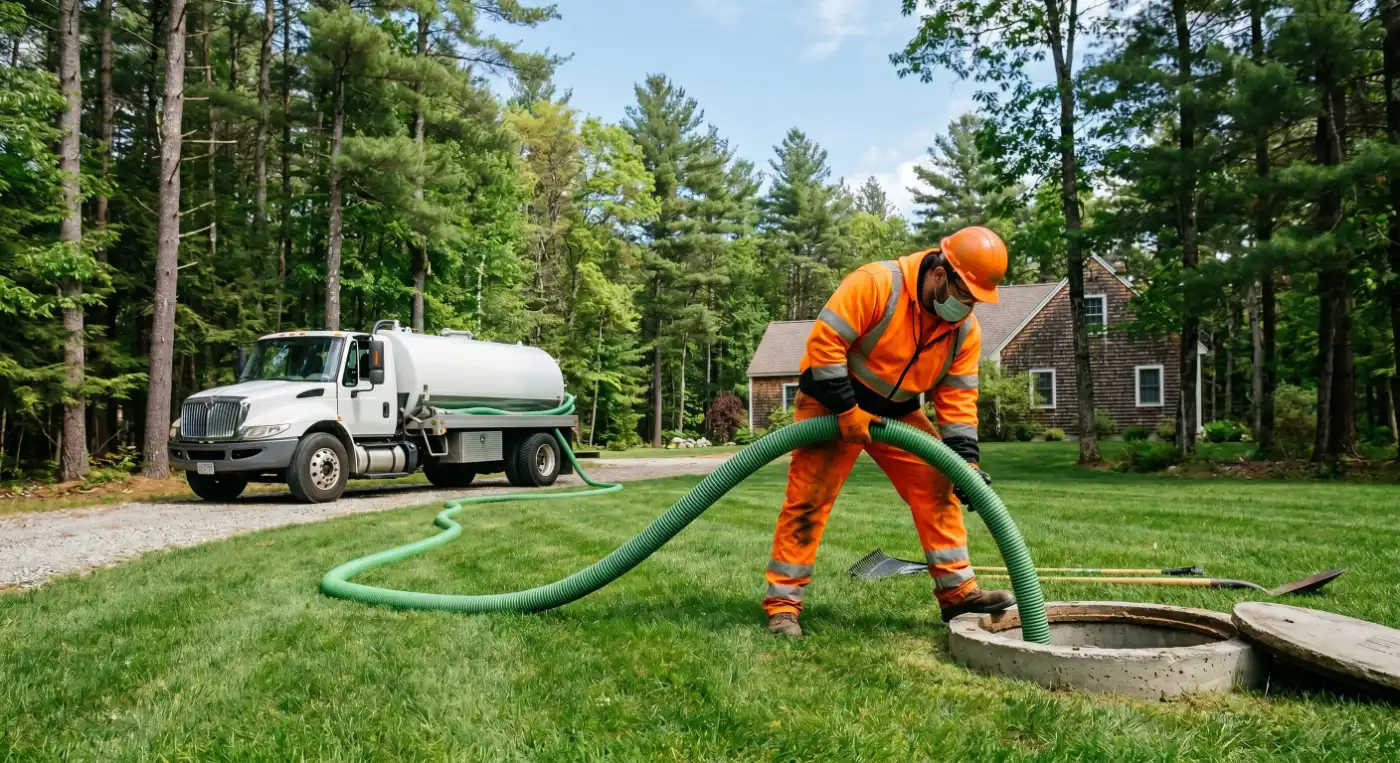
If your tank is already close to its physical capacity, a party will push it past the breaking point. Scheduling a preventative pumping a week or two before the event empties the tank completely. This gives your system a massive buffer to handle the temporary surge in wastewater.
Set Ground Rules for Guests
Most people who live on municipal sewer lines do not understand how septic systems work. They flush items without thinking. Place polite, clear signs in your bathrooms reminding guests to only flush toilet paper.
Keep a trash can easily visible right next to the toilet. This prevents guests from flushing paper towels, wet wipes, feminine hygiene products, dental floss, or cigarette butts. These items do not decompose. They can instantly jam a grinder pump or clog an inlet pipe.
Protect Your Leach Field or Turkey Mound
Your leach field or raised turkey mound consists of buried pipes and delicate, uncompacted soil. Heavy weight collapses these pipes and packs the dirt tight, destroying the soil’s ability to filter water.
Map out exactly where your field is located. Keep all party tents, heavy lawn furniture, and parked vehicles completely off this area. If necessary, string up temporary fencing or lawn flags to block it off.
Prep Your Kitchen Sink
Food waste is incredibly tough on a septic system. If your kitchen features a garbage disposal, avoid using it heavily during party prep. Do not let meat scraps, coffee grounds, eggshells, or potato peels go down the drain.
Never pour cooking oils, animal fats, or greasy sauces into the sink. Grease cools inside the pipes and forms a solid barrier that blocks wastewater flow. Scrape all plates directly into the trash or compost bin before rinsing them.
The After-the-Party Care Strategy
Once the last guest leaves and the cleanup begins, your septic system still needs some special attention. The goal here is to let the system rest and recover from the heavy volume of water.
Give the Plumbing a Break
Your septic tank needs time to let solids settle and allow water to slowly drain into the leach field. Stagger your post-party cleanup chores. Do not run the dishwasher, empty the ice chests, and wash five loads of dirty linens all at the exact same time. Spread these water-heavy tasks out over two or three days to avoid flooding the system.
Dump Ice Chests Outdoors
When it is time to empty coolers full of melted ice, do not pour them down the kitchen sink or utility drain. Dumping dozens of gallons of cold water down the drain adds needless hydraulic stress to your tank. Instead, carry the coolers outside and empty them onto your lawn or flowerbeds, making sure to stay away from the leach field.
Check Your Drains and Toilets
Walk through your home and look for any dripping faucets or running toilets. A toilet that constantly runs can leak hundreds of gallons of water a day directly into your septic tank. After a party, a flush valve can easily get stuck. Fix these leaks immediately to stop unneeded water from filling your system.
How to Recognize a Septic Emergency
Even with excellent planning, older systems or overtaxed components can experience sudden failure. You need to know the warning signs of a failing septic system so you can take action before major property damage occurs.
Gurgling Sounds in the Pipes
If you hear a distinct gurgling or bubbling sound coming from your toilets, showers, or drains when water empties, it means air is trapped in the plumbing. This is an early warning sign that wastewater is struggling to enter the tank due to a restriction or a full system.
Sluggish Drains Throughout the House
A single clogged sink usually points to a local pipe issue. However, if every drain in your house slows down simultaneously, the problem sits deep in your main sewer line or the septic tank itself. If plunging does not fix the issue, you likely face a systemic backup.
Foul Odors Outdoors or Indoors
A properly functioning septic system vents gases safely above your roofline. If you notice a distinct rotten-egg or sewage smell inside your home, near the septic tank area, or out in the yard, something is wrong. It often indicates a broken pipe, a failed vent, or a completely saturated leach field.
Soggy Patches or Lush Green Grass
Take a walk out to your backyard. If you notice areas of standing water, muddy soil, or spongy patches over your leach field when it has not rained, the field is failing to absorb liquid. Another major indicator is a strip of grass that grows much faster and looks significantly darker green than the rest of the yard. This means raw effluent is rising to the surface.
Sewage Backing Up Into the House
This is the ultimate emergency. If dark, foul-smelling water begins backing up into your lowest bathtubs, showers, or basement floor drains, stop using all water immediately. Your system is entirely full or blocked, and continued water use will cause severe interior flooding.
Long-Term Septic Upgrades and Infrastructure Solutions
If your home frequently hosts large gatherings, or if you live in an area with a high water table or poor soil conditions, standard gravity systems might struggle over time. You might want to consider specific long-term upgrades to make your property more resilient.
High-Pressure Drain Jetting (Hydro-Jetting)
Over years of use, the inside of your lateral sewer lines accumulates a thick layer of sludge, scale, and hair. Routine snake tools just poke a small hole through clogs. High-pressure drain jetting uses specialized equipment to blast scouring water through the pipes. This completely cleans the inner walls, restoring your system’s original flow capacity before a big event.
Advanced Pump Infrastructure
Properties with tricky terrain often rely on specialized pumps to move waste. Grinder pumps shred solid waste into fine slurry before pushing it to a main line, which is critical for preventing heavy guest use from causing a backup.
Similarly, effluent pumps are responsible for pumping clear liquid up to a raised mound or secondary filtration zone. Ensuring these pumps receive regular electrical and mechanical testing prevents sudden failures during peak usage.
French Drains and Property Drainage
Sometimes, septic issues are caused by outside forces. If heavy rainwater sheets across your yard and pools directly over your leach field, the soil becomes totally saturated from the top down.
Installing a network of French drains or utility trenching diverts surface stormwater away from your septic components. This keeps the soil dry and fully prepared to handle the wastewater from your home.
Trust Your System to Regional Experts
Maintaining an underground system requires professional diagnostics and heavy equipment. Trying to fix a failing leach field or a broken pump yourself can lead to permanent damage and expensive state environmental fines.
According to guidelines from the Environmental Protection Agency (EPA), regular maintenance by licensed professionals is the single most effective way to protect your property investment and ensure groundwater safety.
Our local crew at Triple J Services brings decades of hands-on experience to Lackawaxen, Pennsylvania. We understand the specific soil profiles, freezing depths, and environmental regulations unique to our region.
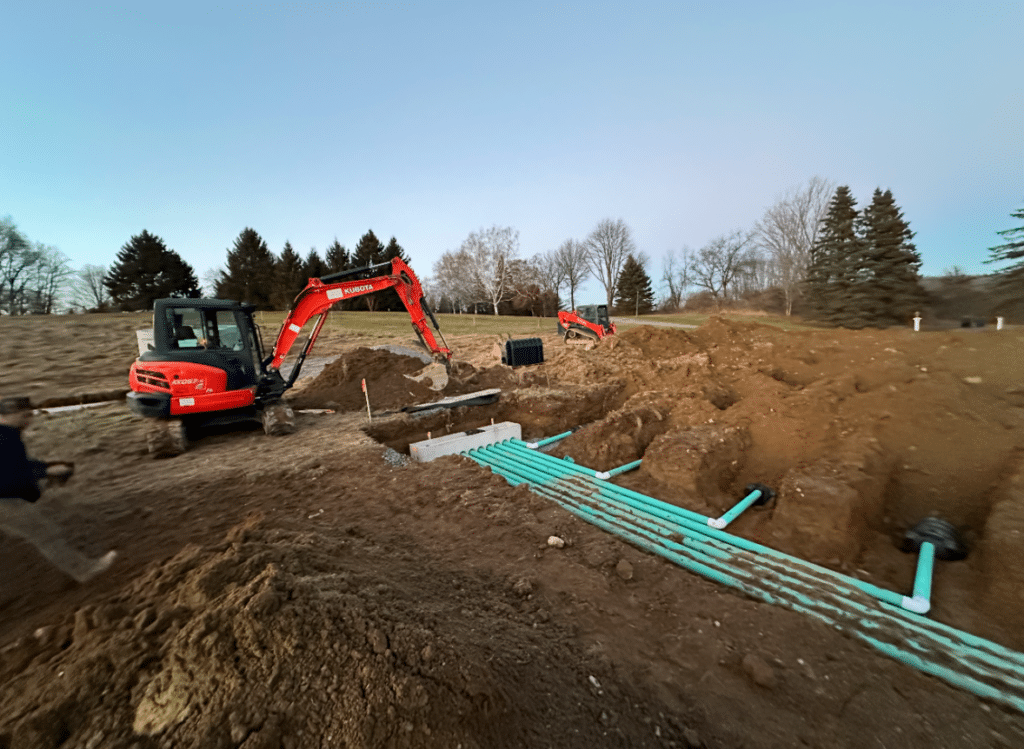
We do not just pump tanks. We handle the entire lifecycle of your system, from initial site excavation and utility trenching to custom septic system installations, complex leach field repairs, and high-pressure pipe cleaning. When an unexpected backup happens at midnight during a holiday weekend, our emergency response team is ready to deploy.
Article Recap: Septic System
-
The Core Threat: Large crowds introduce massive surges of water that can cause hydraulic overloading, forcing solid sludge into your absorption field.
-
Before the Event: Secure an expert inspection, protect your leach field from parked cars, and set clear bathroom signs to stop guests from flushing trash.
-
Kitchen Care: Keep cooking grease, animal fats, and heavy food scraps completely out of your drains and kitchen disposal.
-
After the Event: Stagger water use over a few days for laundry and dishwashing to let the underground soil naturally dry out and recover.
-
Warning Signs: Watch out for multi-drain sluggishness, gurgling toilets, foul outdoor odors, spongy grass patches, or backup water in basement drains.
-
Professional Care: Lean on local excavation, hydro-jetting, and pumping experts to handle regular maintenance and emergency repairs.
Contact Triple J Services Today
Don’t let a septic backup ruin your next big celebration. Whether you need an emergency septic pumping, a routine inspection, high-pressure hydro-jetting, or a brand-new leach field installation, Triple J Services is here to help.
Our team operates right out of Lackawaxen, Pennsylvania, serving homeowners throughout the area with fast, dependable, and honest service.
Call us directly at (845) 750-5222 to speak with a septic expert or schedule an appointment. You can also view our full list of drainage, excavation, and pumping capabilities by visiting our Triple J Services page. Let us keep your home safe, clean, and ready for your next crowd!