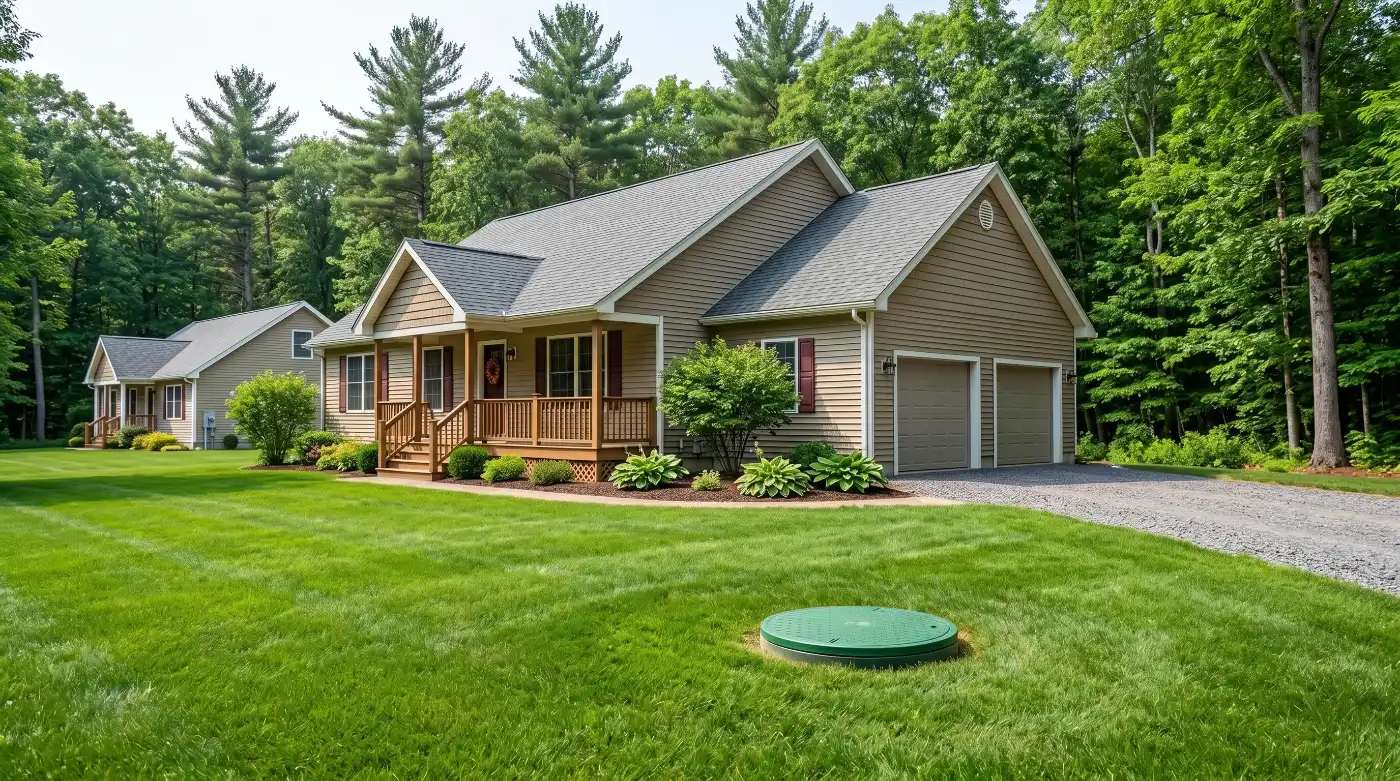
Owning a home in Northeast Pennsylvania brings incredible seasonal beauty. We get vibrant autumn leaves, crisp mountain air, and snowy winters. But the climate here in places like Lackawaxen presents unique challenges for your home infrastructure. If your property relies on an underground wastewater setup, you have likely wondered about its shelf life. A septic system is a massive financial investment. Understanding how long it will last and how our regional weather impacts it can save you thousands of dollars. The short answer is that a standard setup can last anywhere from 15 to 40 years. Where your property falls on that timeline depends entirely on construction materials, soil conditions, usage patterns, and maintenance.
Living in rural or semi-rural areas means taking full responsibility for utilities that city dwellers take for granted. Wastewater treatment happens right under your feet, quietly and constantly. Because the entire framework is hidden from view, many property owners adopt an out-of-sight, out-of-mind mentality. This approach works well until drains start slowing down or patches of bright green, soggy grass appear over the absorption field. By exploring the mechanics of underground infrastructure within our regional context, you can protect your wallet and ensure your household runs smoothly for decades.
The Impact of Pennsylvania Climate on Your Septic Tank
Northeast Pennsylvania has a climate of extremes. Our freezing winters and humid summers directly affect underground drainage environments. Understanding these environmental stressors helps you protect your infrastructure before problems start. Soil conditions in our region vary significantly, often featuring dense clay or rocky terrain that reacts dynamically to changing weather patterns throughout the year.
The Threat of Deep Winter Freezes
When winter hits Wayne and Pike counties, the frost line can push deep into the earth. If your pipes or tank lack proper soil coverage, the standing wastewater inside can freeze. Ice expansion causes pipe blockages, cracked tank walls, and failed distribution lines. Snow cover actually acts as an insulating blanket for your yard. When fluffy, undisturbed snow blankets the ground, it keeps sub-zero temperatures from penetrating too far down. However, if you drive vehicles or heavy equipment over your drainfield, you pack the snow down, strip away its insulating qualities, and push the frost deeper into the soil. Compacted, frozen soil stops the natural bacterial breakdown processes required to treat wastewater safely, leading to backups right when the weather is coldest.
Winter also brings changes in household water habits. People tend to take longer, hotter showers, and families spend more time indoors, which increases the baseline volume of water moving through the house. When this increased volume meets slow-moving or partially frozen underground components, the risk of structural failure spikes. Ensuring your yard maintains adequate vegetation and loose soil before winter arrives is one of the best defenses against the deep seasonal freeze.
Heavy Spring Rains and Snowmelt
Springtime brings rapid snowmelt and heavy rain showers. This influx saturates the soil surrounding your absorption area. When the ground becomes waterlogged, the soil loses its capacity to accept new water from your home. A saturated drainfield causes wastewater to back up into your household plumbing or pool on top of your lawn. Torrential downpours force extra water through the soil profile, which can wash away the beneficial bacteria your system needs to clean toxic waste.
The geography of Lackawaxen and surrounding mountain communities means that runoff travels down hillsides and gathers in lower residential plots. If your property sits at the base of a slope, spring melt can keep your yard in a perpetual state of oversaturation for weeks. During these periods, your absorption field operates under extreme hydraulic stress. Understanding how to handle these seasonal transitions can prevent a minor water logging issue from turning into a complete environmental failure requiring total excavation.
The Lifetime of a Well-Maintained Septic System
When a system receives regular attention, it easily reaches or exceeds its maximum expected lifespan. Proper care allows conventional concrete tanks and absorption areas to function beautifully for 30 to 40 years. The historical timeline of a well-maintained waste setup begins at its initial installation, moves through decades of routine inspections, and culminates in maximized longevity that often pushes well past the forty-year milestone. This extended lifespan is achievable only when the structural and biological aspects of the framework are kept in perfect balance.
Regular Pumping and Solids Management
Routine pumping prevents solid waste from escaping the primary chamber. In a healthy system, solids settle at the bottom as sludge, while greases float to the top as scum. The middle layer of relatively clear liquid flows out to the absorption field. If you do not pump the tank every three to five years, the accumulation of sludge grows too deep. The solids then flow directly into your absorption trenches, clogging soil pores and permanently ruining your drainfield.
Think of pumping as changing the oil in your vehicle. Skipping oil changes might save money in the short term, but it inevitably destroys the engine. Similarly, ignoring the sludge levels in your tank ensures that the delicate soil treatment area will fail prematurely. Once a drainfield is choked with solid waste, simple pumping cannot fix the issue. At that point, you are looking at replacing the entire absorption area, which requires heavy machinery, permits, and massive capital expenditure.
Protecting the Absorption Field Soil
A well-maintained system features an isolated drainfield area. Homeowners who understand wastewater management keep heavy objects away from this zone. They clear deep-rooted trees and brush away to protect underground pipes from root intrusion. Preserving open, uncompacted soil allows oxygen to reach the subsurface environment. Aerobic bacteria need this oxygen to break down organic matter, keeping the soil porous and fully functional for decades.
Planting the wrong vegetation over your absorption field is a common mistake. While lush gardens and ornamental trees look beautiful, their roots act like homing missiles seeking out moisture and nutrients. They punch through pipe connections, break distribution boxes, and create structural blockages. Sticking to simple turf grass over your treatment zone keeps the soil stable without introducing aggressive roots that can destroy your underground infrastructure.
What to Expect From a New Septic System
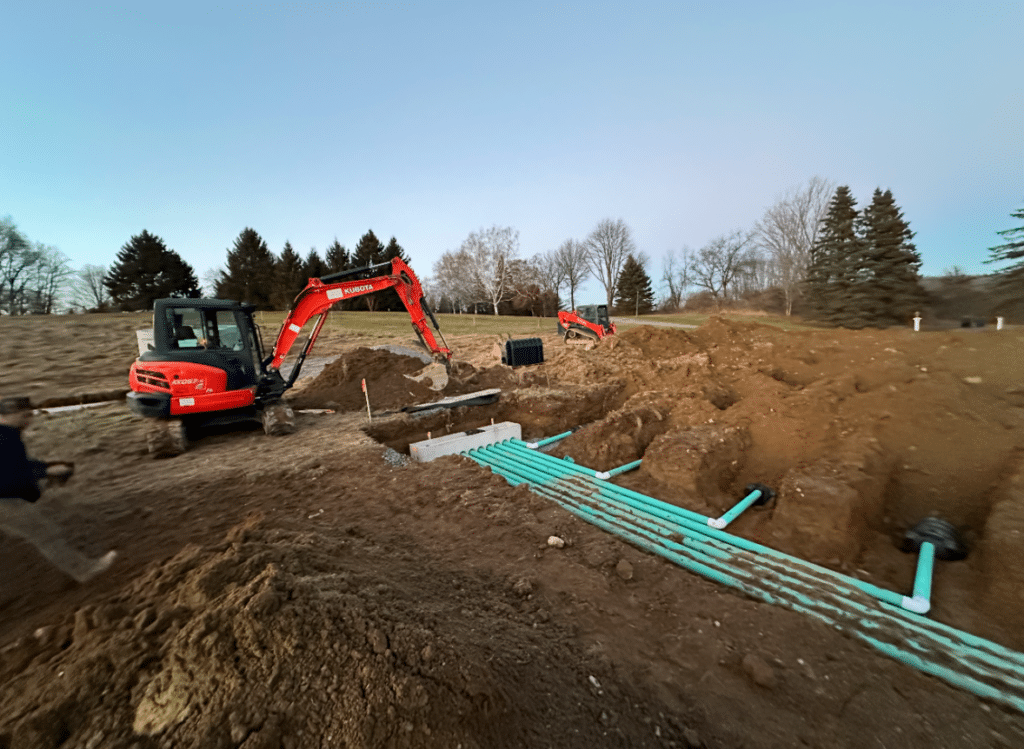
If you recently bought a home with a brand-new installation or just replaced an old setup, you are starting with a clean slate. Modern installations benefit from strict environmental regulations and advanced engineering standards. Today’s systems are precision-engineered to match the specific soil characteristics and topography of your exact property line.
Modern Construction Materials and Designs
Older systems often featured steel tanks that rusted out or clay pipes that collapsed under pressure. New installations utilize heavy-duty plastic, fiberglass, or thick precast concrete. These advanced materials withstand soil shifting and chemical corrosion much better than historical alternatives. Modern designs also feature effluent filters at the outlet tee. These filters act as physical screens that trap small particles before they can enter your drainfield. Cleaning this filter during routine service visits provides an extra layer of protection for your soil.
Furthermore, contemporary system layouts often incorporate advanced distribution techniques. Instead of relying purely on gravity to move water, some modern properties use pressure-dosed distribution networks or aerobic treatment units. These designs ensure that wastewater spreads evenly across the entire absorption field rather than overloading the first few feet of a single trench. This engineering shift dramatically reduces localized soil fatigue and extends the overall life expectancy of the modern setup.
The Importance of Baseline Maintenance
Do not fall into the trap of ignoring a new system just because it is young. The early years of operation establish the baseline health of your home infrastructure. Document the exact location of your tank lids and distribution boxes. Keep a detailed log of every inspection, pump-out, and repair. Starting a disciplined service schedule from day one prevents premature component failure and protects your home warranty.
When you have a baseline of how your system behaves during different seasons, you can spot anomalies quickly. For instance, knowing how quickly solids build up based on your family’s actual usage allows your technician to customize your pumping intervals. This tailored approach prevents over-servicing while guaranteeing that you are never caught off guard by a sudden tank overflow.
Practical Ways to Make Your Septic System Last Longer
You do not have to leave the lifespan of your infrastructure to chance. Everyday household habits directly dictate how many years of service you will get out of your property’s waste setup. Small adjustments in your daily routine can yield massive dividends over time.
Watch What Travels Down Your Drains
Your system is a living biological ecosystem, not a trash can. The only items that should ever go down your toilets are human waste and standard toilet paper. Many products marketed as safe for plumbing are actually major hazards for underground tanks.
-
Avoid flushing baby wipes, even if the packaging claims they are flushable. These wipes do not disintegrate and quickly clog inlet baffles.
-
Keep feminine hygiene products, paper towels, wipes, facial tissues, and dental floss out of your plumbing completely.
-
Never pour cooking grease, chemical drain cleaners, paint thinners, or automotive oil down your sink drains.
Chemical cleaners kill off the beneficial microbes that digest organic waste. When those microbes die, your tank stops liquefying solids, causing rapid sludge buildup. Cooking grease cools down inside your pipes and tank, forming a solid crust that blocks normal fluid movement and reduces the working volume of your primary chamber.
Upgrade to Efficient Water Fixtures
Your absorption field can only process a set volume of water each day. Flooding the system with excessive water forces unseparated solids out into the drainfield. Install low-flow showerheads, efficient faucets, and dual-flush toilets to lower your daily water output. Space out your laundry loads throughout the week instead of washing ten loads on a single Saturday. This pacing gives your yard plenty of time to absorb and filter the incoming water without becoming hydraulically overloaded.
Consider upgrading old appliances to modern energy-star rated alternatives. Modern washing machines use a fraction of the water that older models required. By reducing the sudden surges of water entering your tank, you give solids ample time to settle out properly, keeping the discharge water clear and safe for your soil trenches.
Divert Stormwater Runoff Away From the Field
Take a look at your home roof gutters, downspouts, and driveway slopes. If your property channels rainwater directly toward your absorption field, you need to alter the layout. A proper stormwater diversion path begins at your roof gutters, channels water through downspout extensions, routes it safely past specialized drainage ditches, and deposits it completely away from your absorption field. Install downspout extensions or French drains to direct stormwater toward lower areas of your property. Keeping external rainwater away from your absorption field prevents soil saturation, keeping the ground ready to handle household wastewater. For more information on local environmental guidelines and groundwater safety, homeowners can consult resources provided by the Environmental Protection Agency or check specific regional standards via the Pennsylvania Department of Environmental Protection.
When external rainwater is allowed to pool over your absorption field, it creates a physical barrier that prevents household effluent from rising or evaporating naturally. By grading your property correctly and ensuring that surface runoff bypasses your treatment zone entirely, you preserve the natural absorptive capacity of your soil profile. This simple land management step can add a decade of operational viability to an older setup.
Professional Services for Long-Term Peace of Mind
Managing home wastewater is a complex chore that requires specialized tools and heavy equipment. Partnering with a local service provider ensures your system handles regional weather challenges safely. Local experts know the specific soil types, groundwater tables, and regulatory demands of Lackawaxen and the broader Pennsylvania landscape.
Comprehensive Visual and Structural Inspections
Professional inspectors use advanced digital cameras to view the interior structural health of your plumbing lines and tank chambers. They check for hairline cracks, sagging pipes, and failing baffles that standard homeowners cannot see. Catching structural damage early allows for minor repairs before a total breakdown occurs. Over time, sewer gases can corrode concrete baffles, causing them to crumble. An inspector will catch this during a routine check and replace the component easily, preventing solids from escaping into your yard.
Advanced Soil Assessment and System Diagnostics
Locally owned companies understand the exact soil profiles of the region. They can analyze how well your yard drains and suggest specialized maintenance schedules based on your household size. Whether you need a simple pump-out or a complex component upgrade, professional technicians keep your infrastructure running smoothly. For more details on keeping your property functional, look through our available solutions on our Triple J Services Service Page. To learn more about our commitment to our regional community, check out our background on the Triple J Services About Page.
By relying on systematic diagnostics rather than guesswork, professionals can track the efficiency of your waste setup over long cycles. They can determine if your system is experiencing early signs of biological clogging and apply targeted treatments to restore soil porosity. This preventative approach keeps your property safe, clean, and fully compliant with all local PA environmental health standards.
Quick Article Recap: Septic System
-
The extreme winter freezes and heavy spring rains in Pennsylvania put major physical stress on underground wastewater systems.
-
A well-maintained setup can last up to 40 years if you commit to regular pumping and keep heavy traffic off the absorption field.
-
Modern installations feature durable materials like fiberglass and precast concrete, which offer better long-term reliability than older designs.
-
You can extend the life of your system by conserving household water, managing stormwater runoff, and keeping trash out of your drains.
-
Regular professional inspections catch minor structural flaws before they turn into expensive property failures.
Schedule Your System Care Today
Do not wait for a Septic backup to think about your property’s waste management. Protect your home and investment by working with the experienced professionals at Triple J Services in Lackawaxen, Pennsylvania. Visit the main Triple J Services Website to schedule your routine inspection or system pump-out today.