It is Saturday evening, and your household is winding down after a busy week. Suddenly, you notice a strange gurgling sound coming from the bathroom pipes. A few minutes later, a slow-draining sink turns into a foul-smelling backup in your shower stall.
Septic system failures never seem to happen at a convenient moment. They frequently strike during holiday weekends, family gatherings, or late at night when regular business hours are long over.
When your plumbing starts misbehaving, you face a stressful financial decision. Do you pay for an after-hours emergency septic pumping service, or can you safely limp through until normal business hours on Monday morning? Knowing the difference between a mild system slowdown and a structural emergency can save you thousands of dollars in property damage. You can explore full emergency, maintenance, and inspection options by looking through the specialized Triple J Services Wastewater Solutions Page.
The True Cost of Delaying an Emergency Pump
Ignoring a failing septic system to avoid an emergency fee is a risky gamble. When a septic tank reaches its absolute capacity, or when a major structural blockage occurs, the wastewater must go somewhere.
Catastrophic Wastewater Backups inside the Home
The most immediate risk of delaying a pump is a blackwater backup inside your living space. When the tank cannot accept more liquid, raw sewage will reverse its flow. It travels backward through your main waste line and exits through the lowest drains in your home.
This usually means your basement floor drains, showers, and toilets will overflow with hazardous waste. Cleaning up raw sewage requires professional biohazard remediation, which costs significantly more than a standard emergency pumping service.
Permanent Destruction of the Absorption Field
A septic tank works by separating solids from liquids. The heavy solids settle at the bottom as sludge, while clear water flows out into your absorption field.
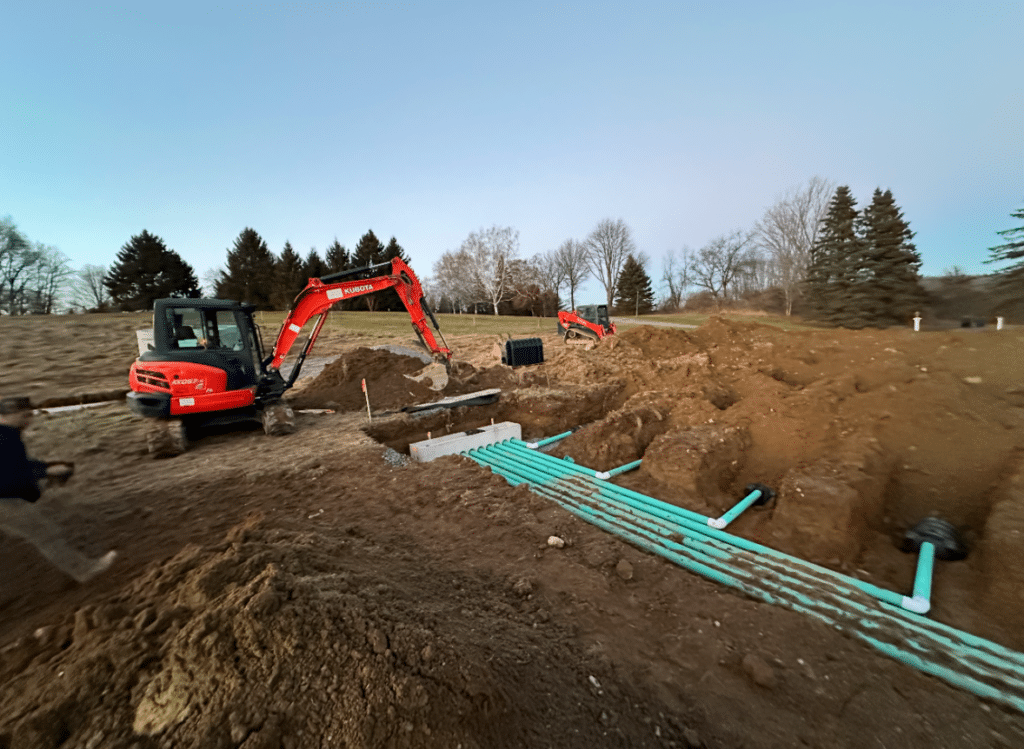
When your tank is completely full and over-activated, the thick sludge layer rises to the top. This solid waste then flows directly into your filtration trenches. Once solids clog the porous soil channels in your yard, the absorption field fails permanently. Replacing an entire drain field requires major excavation, county permits, and massive financial expenses.
Five Critical Signs You Need an Emergency Pump Right Now
Some septic issues are minor inconveniences that can wait a day or two if you drastically cut back your water use. Other signs are clear warnings that your system is on the verge of complete collapse. If you notice any of the following indicators over the weekend, you cannot afford to wait until Monday.
1. Sewage Reversing Through Low-Level House Drains
If raw sewage, black water, or dark sludge is actively backing up into your toilets, bathtubs, or basement drains, you have a critical emergency. This indicates that your main waste line is completely blocked or your septic tank is entirely full.
Cease all water usage immediately. Do not flush the toilets, run the dishwasher, or take a shower. Call for an emergency technician right away to clear the line and empty the tank before the waste ruins your floors.
2. Puddles of Dark Water Forming Over the Tank or Drain Field
Walk out into your yard and inspect the area directly over your septic tank and absorption trenches. If you see standing puddles of dark, smelly water forming on the surface during dry weather, your system is failing.
This indicates that the ground is completely saturated and can no longer absorb liquid waste. The water is forcing its way upward through the topsoil to escape. This standing water is a major biohazard that exposes your family and pets to harmful pathogens.
3. A Powerful, Persistent Odor of Rotten Eggs and Sulfur
A faint, brief whiff of gas near an outdoor plumbing vent can occasionally happen during extreme weather changes. However, a thick, persistent stench of sewer gas inside your home or across your yard means your system is overwhelmed.
These toxic fumes consist of hydrogen sulfide and methane gases. Not only are these odors deeply unpleasant, but high concentrations of sewer gas are also flammable and hazardous to your health. A strong smell means the tank’s natural biological balance has failed or the ventilation system is completely blocked by solid waste.
4. Multiple Sinks, Toilets, and Drains Clogged Simultaneously
A single slow sink usually means a localized clog in that specific drain pipe. You can typically clear this yourself with a standard hand plunger or a drain snake.
However, if every single drain in your home is running slowly or backing up at the exact same time, the problem sits much deeper. This widespread sluggishness proves that the bottleneck is located at the main exit point of your house or inside the septic tank itself.
5. Continuous Gurgling Sounds Throughout Your Home’s Piping
Listen closely to your pipes when a washing machine drains or a toilet flushes. If you hear a loud, rhythmic gurgling sound echoing through your walls, air is trapped inside your drainage system.
This symptom indicates that wastewater is struggling to displace the air inside the main pipe because the tank inlet is completely submerged under solid waste. This gurgling is the final warning sign before a total structural backup occurs.
Minor Issues That Can Safely Wait Until Monday
If you check your system and do not see any of the severe emergency signs listed above, you might be able to delay your service until normal business hours. If you decide to wait it out, you must follow strict water conservation protocols to protect your system from failing over the weekend.
Managing an Isolated Slow-Draining Secondary Sink
If your kitchen sink drains slowly but your bathroom toilets flush perfectly and your shower runs clearly, your septic tank is likely fine. The issue is simply a localized buildup of food particles, soap scum, or hair inside that specific branch pipe. You can safely manage this minor inconvenience over the weekend and contact a technician on Monday morning.
Handling a Single Overflowing Toilet
When one toilet on an upper floor overflows but the rest of the plumbing functions normally, your main line is not blocked. A foreign object is likely stuck directly inside the toilet’s built-in trap. Keep that specific bathroom locked and use your other facilities until a technician can visit during regular hours.
The Weekend Water Lockdown Protocol
If you suspect your septic tank is getting full but you choose to wait for a weekday appointment, you must implement a strict water lockdown immediately. Your main goal is to stop adding volume to the tank.
-
Postpone All Laundry: Running a washing machine sends dozens of gallons of water into your tank in a short window, which can trigger a total system blowout.
-
Avoid Long Showers: Keep showers exceptionally brief, or skip them entirely until the tank is serviced.
-
Do Not Run the Dishwasher: Hand-wash essential items using minimal water in a small basin instead of running full appliance cycles.
-
Minimize Toilet Flushes: Only flush when absolutely necessary to prevent excess water from filling the rising tank.
Why Local Geography and Weather Matter in Lackawaxen
The beautiful, rugged terrain of Lackawaxen, Pennsylvania, introduces unique environmental factors that directly impact how your septic system behaves. Property owners in Pike County must contend with rocky soils, steep slopes, and intense seasonal weather patterns.
The Impact of Saturated Mountain Soil
Lackawaxen properties often feature dense, rocky clay soils that naturally drain slower than sandy coastal ground. During periods of heavy spring rains or rapid winter snowmelt, the ground becomes completely saturated with groundwater.
When the soil around your absorption field is full of rainwater, it cannot take in any additional wastewater from your home. This environmental pressure forces sewage to back up into your house much faster than it would during dry summer months.
Steep Elevation Changes and Drainage Pressure
Many homes in our local region are built on hillsides overlooking our beautiful rivers and lakes. These elevation changes mean your septic components must work against gravity, often relying on specialized effluent pumps to push waste uphill to a raised drain field.
If your home uses a pumped system and you experience a weekend power outage, the pump will stop running. The holding chamber will fill up rapidly, creating an immediate emergency that requires a professional pump-out to prevent home flooding. To learn more about the unique community preservation rules in our area, you can look over the Pike County Conservation District Environmental Guidelines and read the safety regulations on the Pennsylvania Department of Environmental Protection Septic Management Center.
Selecting a Reliable Weekend Service Team
When a plumbing crisis hits, you cannot afford to waste hours calling unverified, out-of-state call centers. You need a fast, dependable team of local experts who can get to your property quickly with the right heavy equipment.
Working with an established local provider ensures that your technician knows the specific soil compositions, local environmental codes, and common neighborhood installation styles of Pike County. This localized expertise allows them to accurately diagnose your system problems without wasting time on guesswork.
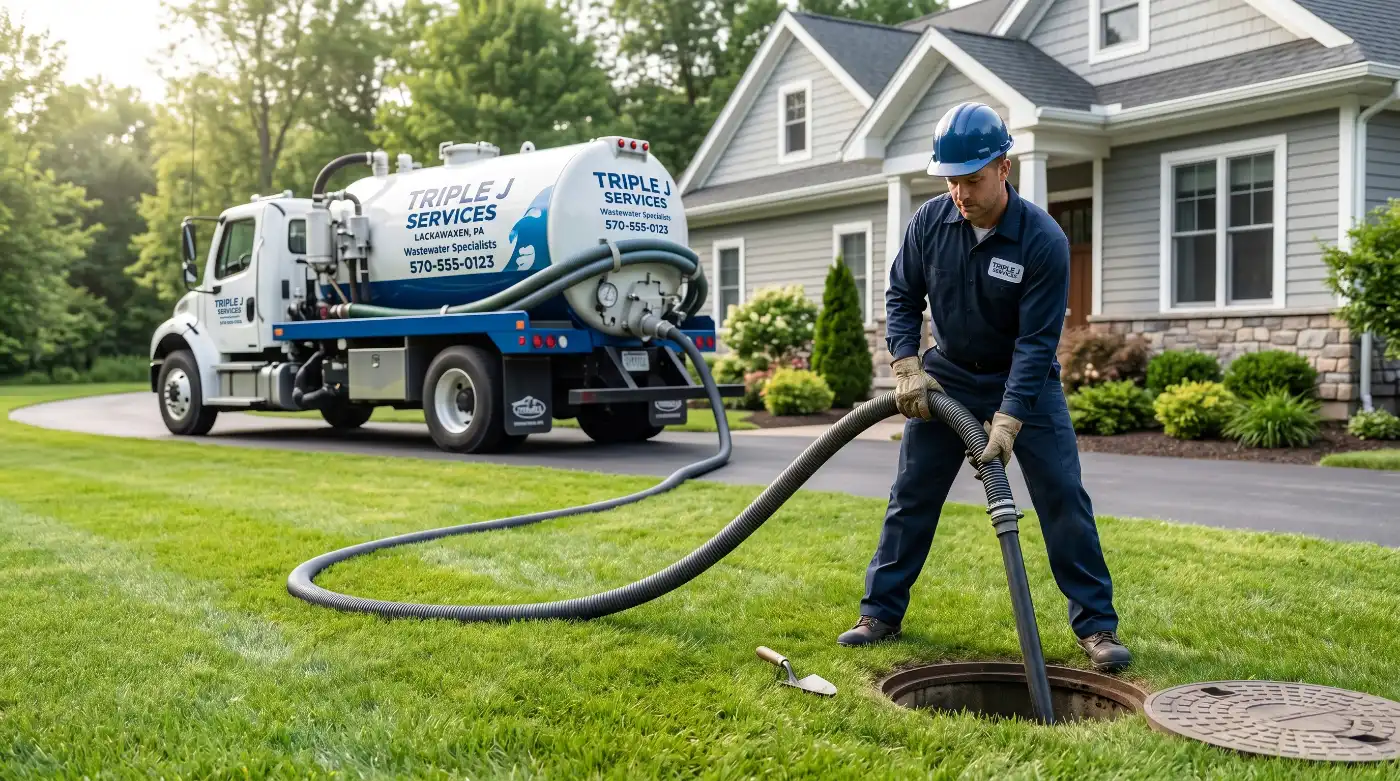
Triple J Services provides prompt, reliable wastewater management and septic solutions straight out of Lackawaxen, Pennsylvania. Our experienced team brings unmatched local knowledge, modern vacuum trucks, and transparent pricing to every emergency call. Whether you need an urgent weekend pump-out, a routine maintenance check, or a comprehensive real estate system inspection, we treat your property with absolute care. Learn more about our deep roots in the community by visiting the Triple J Services About Page.
Quick Article Recap
-
High Delay Costs: Postponing a necessary emergency pump can cause blackwater backups inside your house and destroy your yard’s absorption field.
-
Indoor Danger Signs: Active sewage backups in low drains and persistent gurgling noises in your walls mean you must schedule a pump immediately.
-
Outdoor Warning Signs: Foul odors of sulfur and standing puddles of dark water over your drain field indicate a major system failure.
-
Weekend Management: If your system is just running slightly slow, you can wait for Monday by stopping all laundry and minimizing toilet flushes.
-
Lackawaxen Soil Challenges: High clay content and rocky soils in Pike County retain rainwater, which accelerates septic backups during wet weather.
-
The Local Advantage: Partnering with a neighborhood specialist ensures fast travel times and accurate adjustments tailored to local environmental rules.
Secure Your Property with Fast, Local Septic Support
Don’t let a weekend septic failure ruin your home, contaminate your lawn, or stress out your family. Let the skilled, friendly team at Triple J Services empty your tank, clear your lines, and restore your peace of mind with our responsive wastewater solutions. Take control of your plumbing system today by visiting the Triple J Services Main Homepage to secure your emergency service call.