
Buying a vacation home in Pennsylvania is an exciting milestone. Whether you are looking for a cabin in the Poconos or a lakeside retreat in Lackawaxen, the scenery is unmatched. However, the beauty above ground can sometimes mask serious issues below the surface.
Many vacation homes in rural Pennsylvania rely on private systems. These include septic tanks, private wells, and complex drainage networks. When you buy a home, a standard home inspection is rarely enough. You need to look deeper into the underground infrastructure.
Ignoring the ground beneath your feet can lead to thousands of dollars in unexpected repairs. At Triple J Services, we help homeowners navigate these challenges daily. Here are five major red flags you should look for during your underground inspection.
1. Standing Water and Soggy Lawns
One of the most obvious signs of underground trouble is the state of the yard. Walk the entire property during your viewing. If you notice patches of bright green grass when the rest of the lawn is dull, take note. This often indicates a leak.
Standing water or “spongy” soil is a major red flag. In many cases, this suggests a failing septic drain field. When a septic system cannot process liquid properly, the effluent rises to the surface. This creates a health hazard and a very expensive repair.
Poor yard drainage can also threaten the home’s foundation. If the land slopes toward the house, water will pool against the basement walls. Over time, this causes cracks and mold. Ensure the underground footer drains are functioning. If the yard feels like a swamp, the underground systems are likely failing.
2. Slow Drains and Recurring Clogs
When you tour a potential vacation home, test the plumbing. Turn on the faucets and flush the toilets. Watch how quickly the water disappears. If the drains are sluggish, it might not just be a simple clog in the P-trap.
Slow drains throughout the house often point to a main sewer line issue. In rural PA, tree roots are a common enemy. Roots seek out moisture and can penetrate underground pipes. Once inside, they grow and create a total blockage.
Frequent gurgling sounds coming from the pipes are another warning. This usually means air is trapped in the line because of a partial obstruction. If the home has been sitting vacant, which is common with vacation properties, pipes can corrode or settle. An underground camera inspection is the only way to be sure the lines are clear.
3. Old Pipe Materials (Orangeburg and Cast Iron)
The age of the vacation home matters. Pennsylvania has many historic and mid-century properties. While these homes have character, their underground pipes may be reaching the end of their lifespan.
If the home was built between 1945 and 1970, it might have Orangeburg pipes. These are made of wood pulp and sealed with layers of coal tar. They are essentially “bituminized fiber” pipes. Over time, they become brittle and collapse under the weight of the soil.
Cast iron pipes are also common in older PA homes. While durable, they eventually rust and scale. This narrowing of the pipe causes constant backups. Replacing these lines requires significant excavation. Always ask what material the underground lines are made of before signing a contract.
4. Septic Tank Odors and Lack of Records
Most vacation homes in the Lackawaxen area use septic systems rather than municipal sewers. A septic system is a significant responsibility for a homeowner. During your inspection, use your nose. A healthy septic system should not produce a foul odor in the yard.
If you smell sewage near the tank or the drain field, the system is struggling. This could mean the tank is overfull or the “leach field” has become “biomat” clogged.
Ask the seller for maintenance records. A well-maintained septic system should be pumped every three to five years. If the seller cannot provide proof of recent service, assume the worst. A neglected tank can push solids into the drain field, ruining the entire system. Replacing a full septic system in Pennsylvania can cost between $10,000 and $30,000 depending on the soil type.
5. Well Water Pressure and Quality Issues
Your underground inspection must include the well. Most rural PA homes pull water from deep underground aquifers. The pump is often located deep inside the well casing, making it invisible to the naked eye.
Low water pressure is a red flag. It could indicate a failing well pump or a hole in the drop pipe. Furthermore, check the pressure tank in the basement. If it “short cycles”—turning on and off rapidly when you run water—it needs repair.
Water quality is just as important as quantity. Pennsylvania does not regulate private well water, so it is up to the buyer to test it. Look for signs of high iron or sulfur, which can stain fixtures and smell like rotten eggs. More importantly, test for bacteria and nitrates. Contamination often happens if the underground well casing is cracked or if the septic system is leaking nearby.
Why Specialized Underground Inspections Matter
A general home inspector looks at the roof, the electrical panel, and the HVAC system. They might flush a toilet, but they won’t dig into the soil or run a camera through the lines. You need a specialist who understands the geography of Wayne and Pike Counties.
At Triple J Services, we focus on the “invisible” parts of your home. We use advanced technology to see what is happening beneath the frost line. This includes:
-
Sewer Camera Inspections: We feed a high-definition camera through your lines to find cracks, roots, or collapses.
-
Locating Services: We find hidden tanks and buried lines that aren’t on the property maps.
-
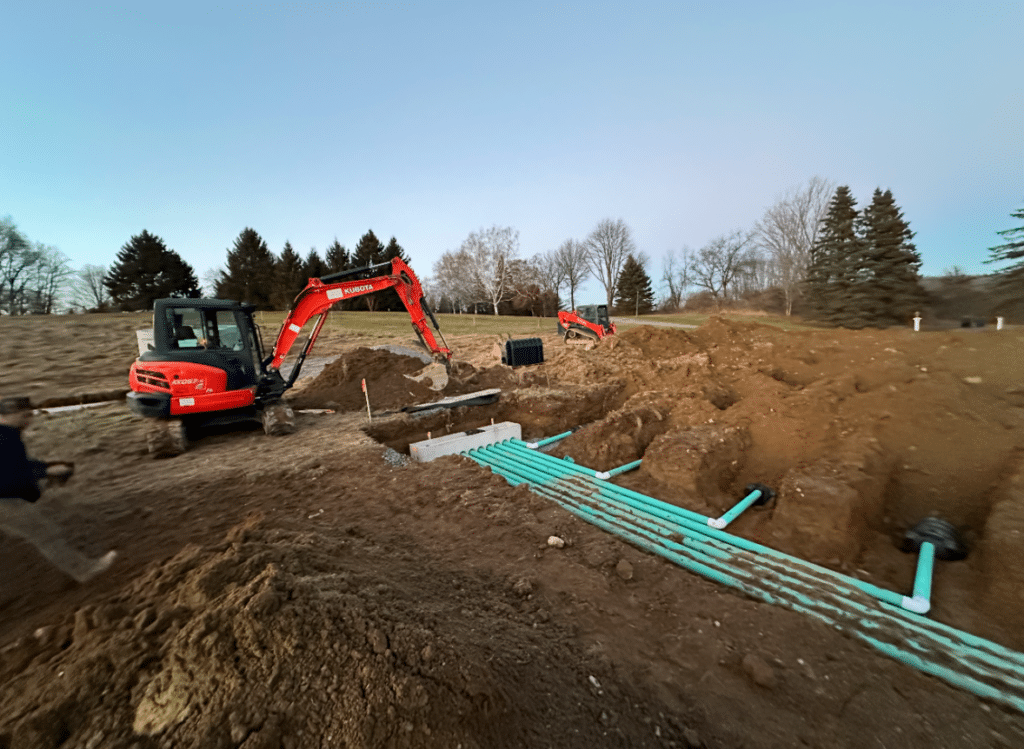
Excavation and Repair: If a red flag is found, we provide the heavy lifting to fix it correctly.
The Financial Impact of Ignoring Red Flags
Vacation homes are meant to be a place of relaxation. Nothing ruins a weekend getaway faster than a sewage backup in the basement. Because these homes are often used intermittently, problems can sit and worsen without being noticed.
Small leaks in an underground water line can lead to massive water bills or a dry well. A cracked sewer line can contaminate your own soil. By identifying these red flags early, you can negotiate the repair costs into the home’s purchase price. Do not let the seller’s problem become your financial burden.
Local Knowledge: The PA Landscape
The terrain in Lackawaxen and the surrounding Poconos is rocky and heavily forested. This creates unique challenges for underground utilities. Rocky soil can shift, putting pressure on PVC pipes. Large oak and hemlock trees have aggressive root systems that can travel 50 feet or more to find a pipe leak.
When you hire a local expert, you benefit from someone who knows the local soil conditions. We know which neighborhoods have high water tables and which ones are prone to pipe corrosion. This local insight is invaluable when you are making a major investment in a vacation property.
Protecting Your Investment
Before you close on that beautiful PA mountain home, do your due diligence.
-
Hire a professional to perform a lateral sewer line inspection.
-
Have the septic tank uncovered and inspected for structural integrity.
-
Test the well water for both flow rate and purity.
-
Check for any buried oil tanks that might have been used in the past.
If an inspection reveals issues, it doesn’t always mean you should walk away from the deal. It simply means you now have the facts. You can ask the seller to make repairs or lower the price. Knowledge is your best leverage in any real estate transaction.
Working with Triple J Services
Triple J Services is located right here in Lackawaxen, PA. We are your neighbors, and we care about the integrity of our local community’s infrastructure. We provide a range of services designed to keep your home running smoothly.
From site preparation and excavation to utility repairs, we handle the dirty work. We utilize modern equipment to ensure that our impact on your property is minimal while our results are maximum. We understand the specific needs of vacation homeowners who may not be on-site year-round.
If you are in the process of buying a home in the region, contact us for an underground assessment. We will give you a clear, honest picture of what is happening under your lawn.
External Resources for PA Home Buyers
-
Learn about Pennsylvania private well regulations at the Penn State Extension Water Quality site.
-
Research septic system requirements through the Pennsylvania Department of Environmental Protection (DEP).
Article Recap
-
Soggy Lawns: Wet spots often mean failing septic systems or poor footer drainage.
-
Slow Drains: Usually caused by tree root intrusion or collapsed older pipes.
-
Outdated Materials: Orangeburg and cast iron pipes are prone to failure and need replacement.
-
Septic Health: Odors and a lack of pumping records are major warning signs.
-
Well Reliability: Low pressure and poor water quality can be expensive to fix.
-
Professional Help: Always use specialized camera inspections for underground lines.
Ready to Inspect Your Future Home?
Don’t buy a Pennsylvania vacation home blindly. Ensure your underground systems are in top shape with Triple J Services. Visit our Services Page to see how we can help you, or Contact Us today to schedule an inspection. We are located in Lackawaxen, PA, and serve the surrounding areas with expert excavation and utility services.